
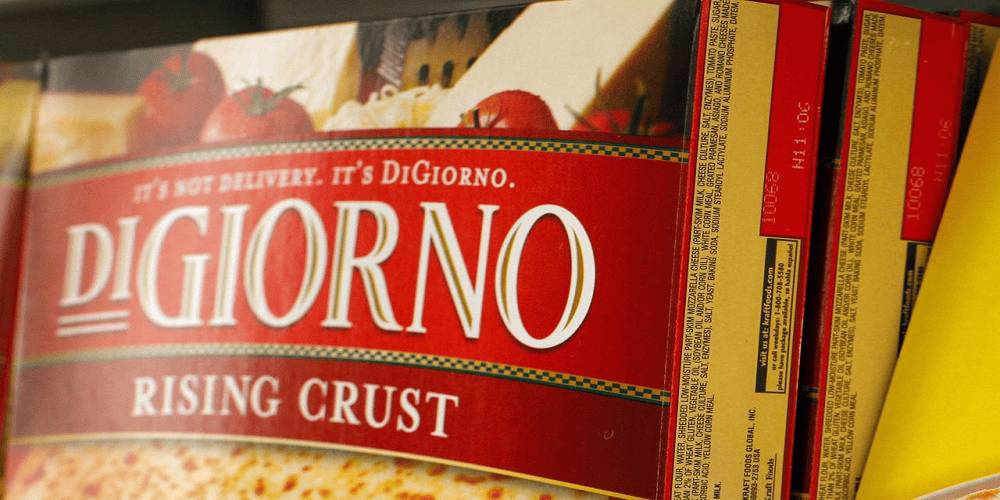
Frozen food is a staple in many households because it offers convenience, longer shelf life, and easy meal preparation. However, even frozen products are not immune to safety concerns. A frozen food recall occurs when manufacturers, distributors, or government agencies remove frozen food products from the market due to potential health risks or safety issues. Understanding a frozen food recall can help consumers protect themselves and their families from foodborne illnesses and other hazards.
In recent years, frozen food recalls have become more visible due to improved food safety monitoring systems and stricter regulations. While recalls may seem alarming, they are actually an important part of maintaining public health and ensuring that unsafe products are quickly removed from circulation.
This comprehensive guide explains everything you need to know about a frozen food recall, including common causes, recall procedures, consumer responsibilities, and ways to reduce risks associated with frozen foods.
What Is a Frozen Food Recall?
A frozen food recall is an official action taken to remove frozen food products from stores, warehouses, restaurants, and consumer homes when they are found to be unsafe for consumption.
The recall may be initiated by:
- Food manufacturers
- Government regulatory agencies
- Food distributors
- Retail chains
The primary goal of a frozen food recall is to prevent illness, injury, or death caused by contaminated or defective products.
Frozen foods commonly involved in recalls include:
- Frozen vegetables
- Frozen fruits
- Frozen meals
- Frozen seafood
- Frozen meat products
- Frozen pizzas
- Ice cream and desserts
- Frozen snacks
Why Frozen Foods Get Recalled
Many people believe freezing kills bacteria and makes food completely safe. While freezing slows bacterial growth, it does not eliminate all harmful microorganisms.
Several factors can trigger a frozen food recall.
Bacterial Contamination
One of the most common reasons for a frozen food recall is bacterial contamination.
Dangerous bacteria include:
- Listeria monocytogenes
- Salmonella
- E. coli
These pathogens can survive freezing temperatures and become active again when food is thawed.
Foreign Material Contamination
Sometimes manufacturers discover unwanted objects in products, such as:
- Metal fragments
- Plastic pieces
- Glass shards
- Rubber particles
- Wood splinters
In such situations, a frozen food recall is issued to prevent injuries.
Undeclared Allergens
Food allergies can be life-threatening. If a frozen product contains allergens not listed on the label, a recall may occur.
Common allergens include:
- Milk
- Eggs
- Soy
- Wheat
- Peanuts
- Tree nuts
- Fish
- Shellfish
Packaging Defects
Defective packaging may compromise food safety by allowing contamination or spoilage.
Examples include:
- Broken seals
- Damaged packaging
- Incorrect labeling
- Temperature control failures
Mislabeling
A frozen food recall may happen if the product label contains incorrect information regarding ingredients, nutritional content, or preparation instructions.
Chemical Contamination
Food products may occasionally become contaminated with chemicals during production or transportation.
Examples include:
- Cleaning agents
- Pesticides
- Industrial chemicals
- Excessive additives
How a Frozen Food Recall Is Identified
Food safety systems have improved significantly over the years. A frozen food recall may begin after:
Consumer Complaints
Consumers often report unusual tastes, odors, illnesses, or foreign objects.
Routine Testing
Manufacturers regularly test products for contaminants.
Government Inspections
Food safety authorities conduct inspections and laboratory analyses.
Illness Investigations
Health departments investigate outbreaks and trace illnesses back to specific food products.
When evidence links a product to a health risk, authorities may recommend a frozen food recall.
Types of Frozen Food Recalls
Not all recalls are equally serious. Regulatory agencies often classify recalls according to risk level.
Class I Recall
This is the most serious type.
A Class I frozen food recall involves products that may cause:
- Serious illness
- Severe injury
- Death
Examples include products contaminated with Listeria or Salmonella.
Class II Recall
Products may cause temporary or medically reversible health problems.
Risk is lower than Class I but still significant.
Class III Recall
Products are unlikely to cause health issues but violate regulations.
Examples include minor labeling errors.
Common Frozen Foods Subject to Recall
Frozen Vegetables
Frozen vegetables are among the most frequently recalled products because they may harbor harmful bacteria.
Common examples include:
- Peas
- Corn
- Spinach
- Mixed vegetables
Frozen Fruits
Frozen berries and fruit blends occasionally become involved in a frozen food recall due to contamination concerns.
Frozen Seafood
Seafood products may be recalled because of:
- Bacterial contamination
- Toxins
- Undeclared allergens
Frozen Meat Products
Frozen meat recalls often involve:
- Salmonella
- E. coli
- Foreign materials
Frozen Ready-to-Eat Meals
Prepared meals can face recalls due to ingredient contamination or labeling issues.
Frozen Desserts
Ice cream and frozen desserts have been associated with bacterial outbreaks in the past.
Health Risks Associated with Recalled Frozen Foods
Consuming recalled frozen foods can lead to various health problems.
Food Poisoning
Symptoms may include:
- Nausea
- Vomiting
- Diarrhea
- Stomach cramps
- Fever
Severe Infections
Certain bacteria can cause serious complications, especially among:
- Elderly individuals
- Pregnant women
- Young children
- People with weakened immune systems
Allergic Reactions
Undeclared allergens can trigger:
- Hives
- Swelling
- Breathing difficulties
- Anaphylaxis
Physical Injuries
Foreign objects in food can cause:
- Choking
- Mouth injuries
- Dental damage
- Internal injuries
How Consumers Learn About a Frozen Food Recall
Manufacturers and government agencies use multiple channels to announce recalls.
Official Websites
Food safety agencies publish detailed recall notices.
News Reports
Television, radio, and online media often cover major recalls.
Retailer Notifications
Stores may contact customers through:
- Email alerts
- Mobile apps
- Loyalty programs
Social Media
Companies frequently share recall information on social platforms.
What To Do During a Frozen Food Recall
If you discover a recalled product in your freezer, take immediate action.
Verify the Product
Check:
- Product name
- Brand
- Lot number
- Expiration date
- Package size
Compare these details with the recall announcement.
Do Not Consume It
Never eat a product included in a frozen food recall, even if it appears normal.
Dispose of the Product
Follow disposal instructions provided in the recall notice.
Return for Refund
Many retailers offer refunds or replacements for recalled items.
Clean Storage Areas
After removing the product:
- Wash hands thoroughly
- Sanitize freezer surfaces
- Clean storage containers
This helps prevent cross-contamination.
The Role of Government Agencies
Government agencies play a vital role in managing a frozen food recall.
Responsibilities include:
- Monitoring food safety
- Conducting inspections
- Investigating outbreaks
- Issuing public warnings
- Coordinating recalls
These agencies work with manufacturers to ensure unsafe products are removed quickly.
How Manufacturers Prevent Frozen Food Recalls
Food companies invest heavily in safety measures.
Quality Control Programs
Regular inspections help identify potential issues before products reach consumers.
Hazard Analysis Systems
Manufacturers evaluate risks throughout the production process.
Employee Training
Workers receive training in:
- Hygiene practices
- Food handling
- Equipment sanitation
Supplier Verification
Companies monitor ingredient suppliers to ensure compliance with safety standards.
Product Testing
Routine laboratory testing helps detect contaminants early.
The Economic Impact of a Frozen Food Recall
A frozen food recall can be costly for businesses.
Expenses may include:
- Product removal
- Transportation costs
- Disposal expenses
- Legal claims
- Public relations efforts
Beyond direct costs, recalls can damage brand reputation and reduce consumer trust.
Consumer Confidence and Food Safety
A frozen food recall may temporarily reduce consumer confidence. However, effective recall systems demonstrate that food safety mechanisms are functioning properly.
When companies act quickly and transparently, consumers are more likely to trust them in the long run.
Businesses that prioritize safety often recover faster from recall events.
How Technology Helps Prevent Frozen Food Recalls
Modern technology plays an important role in reducing food safety risks.
Advanced Testing
Laboratories can detect contaminants more accurately than ever before.
Traceability Systems
Digital tracking systems help identify affected products quickly.
Automation
Automated production lines reduce human error.
Data Analytics
Companies analyze production data to identify potential safety concerns before they become widespread.
Tips for Safe Frozen Food Handling
Although a frozen food recall is beyond a consumer's control, proper food handling can reduce risks.
Maintain Proper Freezer Temperature
Keep freezers at 0°F (-18°C) or below.
Follow Storage Guidelines
Do not exceed recommended storage periods.
Check Packaging
Avoid products with:
- Tears
- Leaks
- Broken seals
Cook Properly
Follow preparation instructions carefully.
Practice Good Hygiene
Wash hands and surfaces before handling food.
Stay Informed
Monitor food safety announcements and recall notices regularly.
The Future of Frozen Food Safety
Food safety continues to evolve through:
- Better testing technologies
- Faster detection systems
- Improved traceability
- Stronger regulations
- Enhanced consumer awareness
As these advancements continue, the frequency and impact of frozen food recalls may decrease while recall responses become even more effective.
Conclusion
A frozen food recall is an essential food safety measure designed to protect consumers from potentially dangerous products. Whether caused by bacterial contamination, undeclared allergens, packaging defects, or foreign materials, recalls help prevent illnesses and injuries by removing unsafe foods from the marketplace.
Consumers should remain informed about frozen food recalls, carefully check products against recall notices, and follow all safety instructions provided by manufacturers and regulatory agencies. While recalls can be concerning, they demonstrate that food safety systems are actively working to identify and eliminate risks.
By understanding how a frozen food recall works and following proper food handling practices, consumers can make informed decisions and help keep their households safe.
FAQs
What is a frozen food recall?
A frozen food recall is the removal of frozen food products from the market due to safety concerns such as contamination, labeling errors, or the presence of foreign materials.
Why are frozen foods recalled?
Frozen foods may be recalled because of bacterial contamination, undeclared allergens, packaging defects, chemical contamination, or foreign objects in the product.
Can bacteria survive in frozen foods?
Yes. Freezing slows bacterial growth but does not necessarily kill all harmful bacteria. Some pathogens can survive freezing and become active when food is thawed.
How can I check if my frozen food has been recalled?
Compare the product name, brand, lot number, and expiration date with information listed in official recall announcements.
Should I eat a recalled frozen food if it looks normal?
No. Recalled products should never be consumed, even if they appear safe.
What should I do with recalled frozen food?
Follow the instructions in the recall notice. Most recalls recommend disposing of the product or returning it for a refund.
Are frozen vegetables commonly recalled?
Yes. Frozen vegetables are frequently involved in recalls due to potential contamination with bacteria such as Listeria.
Can I get a refund for recalled frozen food?
In many cases, retailers and manufacturers provide refunds or replacements for recalled products.
How do food companies prevent frozen food recalls?
Companies use quality control systems, laboratory testing, employee training, supplier monitoring, and food safety programs to reduce risks.
Are frozen food recalls becoming more common?
Improved testing and surveillance systems have made it easier to identify food safety issues, leading to greater visibility of frozen food recalls.
Leave A Comment
0 Comment