
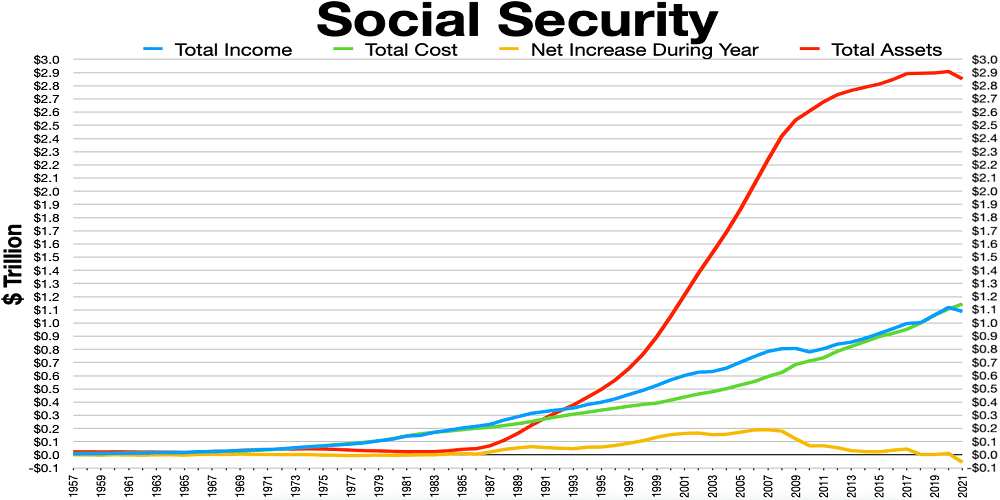
The topic of social security trust fund depletion has become one of the most discussed financial issues in the United States. Millions of Americans depend on Social Security benefits to support their retirement, disability needs, and family security. As reports continue to warn about the future of the program, many people are asking what will happen if the trust fund runs out of money.
Understanding social security trust fund depletion is important because it affects current retirees, workers nearing retirement, and younger generations who contribute to the system through payroll taxes. While headlines often create concern, the reality is more complex. The Social Security system is not expected to disappear entirely, but changes may be needed to maintain full benefits in the future.
This article explains how the Social Security Trust Fund works, why depletion is a concern, potential impacts on beneficiaries, and possible solutions being discussed by policymakers.
What Is the Social Security Trust Fund?
The Social Security Trust Fund is a financial reserve that helps pay benefits to eligible Americans. It consists primarily of two separate funds:
- Old-Age and Survivors Insurance (OASI) Trust Fund
- Disability Insurance (DI) Trust Fund
Workers and employers contribute to Social Security through payroll taxes. These taxes provide most of the revenue used to pay benefits. When payroll tax collections exceed benefit payments, the surplus is added to the trust funds.
The trust funds serve as a financial buffer during periods when benefit payments exceed incoming tax revenue. This structure has helped Social Security provide stable benefits for decades.
Why Is Social Security Trust Fund Depletion Happening?
The concern over social security trust fund depletion stems from demographic and economic changes that have developed over many years.
Aging Population
One of the biggest reasons is the aging population. The large Baby Boomer generation has reached retirement age, leading to a significant increase in benefit recipients.
As more people retire, Social Security must pay benefits to a larger group of beneficiaries.
Longer Life Expectancy
Americans generally live longer than previous generations. While this is positive news, it means retirees collect benefits for more years.
Longer benefit periods increase the overall cost of the Social Security program.
Lower Birth Rates
Lower birth rates mean fewer workers are entering the workforce compared to previous generations.
Since payroll taxes from current workers fund current beneficiaries, a smaller workforce can create financial pressure on the system.
Changing Worker-to-Retiree Ratio
Decades ago, there were many workers supporting each retiree. Today, that ratio has declined significantly.
With fewer workers contributing relative to the number of beneficiaries, maintaining financial balance becomes more challenging.
What Does Trust Fund Depletion Mean?
Many people misunderstand the phrase social security trust fund depletion. It does not mean Social Security will completely disappear.
Instead, depletion refers to the point at which trust fund reserves are exhausted.
Even after depletion occurs, payroll taxes will continue to be collected. These taxes are expected to cover a substantial portion of scheduled benefits.
However, beneficiaries could face reduced payments unless Congress implements reforms.
When Could Social Security Trust Fund Depletion Occur?
According to projections from Social Security trustees, the trust fund may face depletion within the next decade if no major legislative changes are made.
The exact date changes depending on economic conditions, employment levels, wage growth, inflation, and policy decisions.
While projections vary, experts generally agree that action will eventually be necessary to prevent automatic benefit reductions.
How Would Social Security Trust Fund Depletion Affect Retirees?
The impact of social security trust fund depletion would depend on government actions and the timing of reforms.
Potential Benefit Reductions
If no changes are made, future beneficiaries could receive lower payments than currently scheduled.
Payroll tax revenue alone may not be enough to support full benefits.
Increased Financial Uncertainty
Many retirees depend heavily on Social Security income.
Any reduction in benefits could create financial challenges, particularly for individuals with limited savings.
Impact on Retirement Planning
Workers approaching retirement may need to adjust their plans.
They might choose to save more, work longer, or delay claiming Social Security benefits.
Impact on Younger Workers
Younger workers are often especially concerned about social security trust fund depletion because they may not retire for several decades.
Some worry they will pay into the system without receiving equivalent benefits.
However, experts generally agree that Social Security will continue to exist in some form because it remains a critical component of retirement security in the United States.
Future reforms may alter benefit formulas, tax structures, or retirement ages, but complete elimination of the program is considered unlikely.
Common Myths About Social Security Trust Fund Depletion
Myth 1: Social Security Will Go Bankrupt
Social Security is not expected to become completely insolvent.
Even if trust fund reserves are depleted, ongoing payroll taxes will continue generating revenue.
Myth 2: Benefits Will End Entirely
Many people fear benefits will disappear overnight.
In reality, benefits would likely continue, though they could be reduced if policymakers take no action.
Myth 3: Younger Workers Will Receive Nothing
While future benefits may differ from current projections, younger workers are still expected to receive Social Security benefits.
The debate focuses on benefit levels and funding methods rather than complete elimination.
Economic Factors Affecting Social Security
Several economic conditions influence the future of Social Security.
Employment Growth
Higher employment means more workers paying payroll taxes.
Strong labor markets can improve Social Security finances.
Wage Growth
When wages increase, payroll tax collections also rise.
Higher earnings can strengthen trust fund revenues.
Immigration
Immigration can increase the number of workers contributing to Social Security.
Some economists view workforce growth as one factor that could help address funding challenges.
Productivity Improvements
Greater productivity can boost economic growth and wage increases.
This may indirectly support Social Security finances through higher payroll tax collections.
Proposed Solutions to Social Security Trust Fund Depletion
Policymakers have proposed numerous strategies to address social security trust fund depletion.
Raising Payroll Taxes
One common proposal involves increasing Social Security payroll taxes.
Even a modest increase could generate significant additional revenue over time.
Supporters argue this would strengthen the program's finances.
Critics worry about the impact on workers and employers.
Increasing the Retirement Age
Another proposal involves gradually increasing the full retirement age.
Since people live longer, some policymakers believe retirement ages should reflect longer life expectancies.
Opponents argue this could disproportionately affect workers in physically demanding occupations.
Adjusting Benefits
Some proposals suggest modifying benefit formulas for future retirees.
Changes could focus on higher-income earners while protecting lower-income beneficiaries.
Increasing the Taxable Wage Cap
Currently, Social Security payroll taxes apply only up to a specific income threshold.
Raising or eliminating this cap could generate substantial additional revenue.
This approach remains a major topic of policy debate.
Combination Approaches
Many experts believe the most practical solution involves combining several reforms rather than relying on a single measure.
A balanced approach could spread responsibility across different groups while minimizing disruptions.
Why Social Security Remains Important
Despite concerns about social security trust fund depletion, Social Security continues to play a vital role in American society.
Reducing Poverty Among Seniors
Social Security has significantly reduced poverty rates among older Americans.
For many retirees, benefits provide essential financial support.
Supporting Families
The program offers survivor benefits to families after the death of a worker.
These benefits can provide critical financial stability.
Disability Protection
Disability benefits help individuals who can no longer work due to qualifying medical conditions.
Without Social Security, many disabled Americans would face severe economic hardship.
How Individuals Can Prepare
Although policymakers continue debating solutions, individuals can take steps to strengthen their financial future.
Build Retirement Savings
Contributing regularly to retirement accounts can reduce dependence on Social Security alone.
Diversified retirement savings provide greater financial flexibility.
Delay Claiming Benefits
Delaying Social Security benefits often increases monthly payments.
Individuals who can wait may receive higher lifetime benefits.
Reduce Debt
Lower debt levels can improve retirement security.
Managing expenses effectively creates greater financial resilience.
Stay Informed
Keeping up with Social Security developments can help workers make informed retirement decisions.
Understanding potential reforms allows individuals to adapt their plans accordingly.
The Political Debate Surrounding Social Security
The discussion around social security trust fund depletion often becomes a political issue.
Different policymakers propose varying solutions based on their economic philosophies and policy priorities.
Some emphasize revenue increases through taxes, while others focus on spending adjustments or structural reforms.
Because Social Security affects millions of voters, major reforms often require broad political support.
Finding consensus remains one of the biggest challenges in addressing long-term funding concerns.
Future Outlook
The future of Social Security depends largely on policy decisions made in the coming years.
Most experts agree that earlier action allows for more gradual and manageable adjustments.
Delaying reforms could require larger changes later.
Despite concerns about social security trust fund depletion, the program remains one of the most popular and important federal programs in the United States.
The likelihood of policymakers allowing significant disruptions to benefits is generally considered low.
Conclusion
The issue of social security trust fund depletion represents a significant challenge for the future of retirement security in America. Demographic shifts, longer life expectancy, and changing workforce patterns have placed increasing pressure on the Social Security system.
However, depletion does not mean the end of Social Security. Payroll taxes will continue generating revenue, and numerous policy options exist to strengthen the program's finances. The real question is not whether Social Security will survive, but how lawmakers will adapt the system to meet future needs.
For current workers and retirees, understanding the realities of social security trust fund depletion can help reduce uncertainty and support better financial planning. By staying informed, saving consistently, and preparing for potential changes, individuals can strengthen their retirement security regardless of future policy outcomes.
FAQs
What is social security trust fund depletion?
Social security trust fund depletion refers to the point when the Social Security Trust Fund reserves are exhausted and can no longer supplement payroll tax revenue for benefit payments.
Will Social Security disappear after trust fund depletion?
No. Social Security is expected to continue receiving payroll tax revenue even after trust fund depletion occurs. Benefits may continue but could be reduced if no reforms are implemented.
Why is social security trust fund depletion happening?
The main causes include an aging population, longer life expectancy, lower birth rates, and a declining worker-to-retiree ratio.
When is the Social Security Trust Fund expected to run out?
Current projections suggest depletion could occur within the next decade, though estimates vary depending on economic and demographic factors.
How much could benefits be reduced?
If no legislative action is taken, future benefits could be reduced because payroll tax revenue alone may not cover all scheduled payments.
Can Congress prevent social security trust fund depletion?
Yes. Congress has several options, including raising payroll taxes, adjusting benefits, increasing the retirement age, or implementing a combination of reforms.
Should younger workers worry about Social Security?
Younger workers should stay informed, but most experts believe Social Security will continue to exist. Future benefits may be modified, but the program is unlikely to disappear entirely.
What can individuals do to prepare?
Building retirement savings, reducing debt, delaying benefit claims when possible, and staying informed about policy changes can help improve long-term financial security.
Leave A Comment
0 Comment