
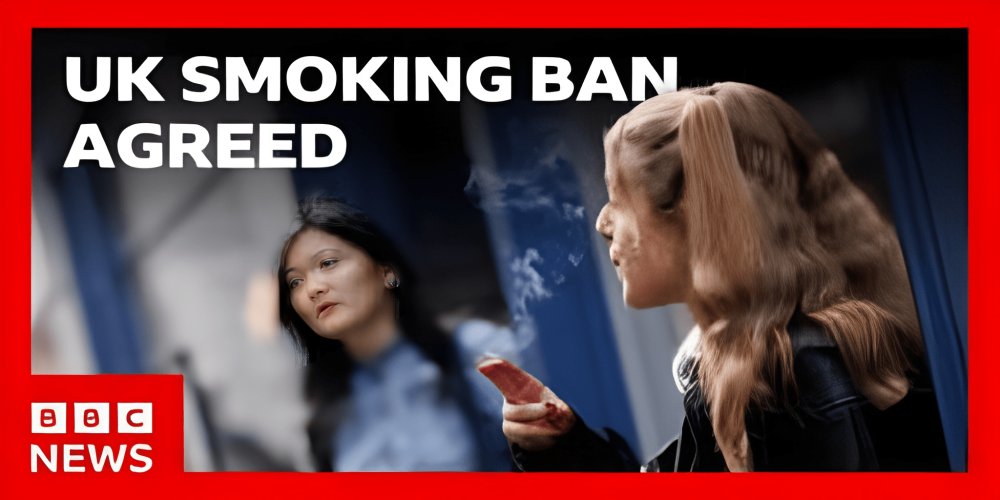
The United Kingdom’s smoking ban represents one of the most significant public health interventions in modern British history. When the legislation first took effect in Scotland in March 2006, followed by the rest of the UK over the next two years, it fundamentally altered the relationship between smokers, non-smokers, and indoor public spaces. The uk smoking ban has since become a benchmark for tobacco control policies worldwide, influencing similar measures in dozens of countries. Understanding the full scope of this ban requires examining its origins, implementation, health outcomes, economic consequences, enforcement mechanisms, and ongoing debates about further restrictions. This article provides a detailed exploration of the uk smoking ban, addressing common questions and misconceptions while presenting a balanced view of its successes and limitations.
\r\n\r\n
The journey toward the uk smoking ban began long before 2006, rooted in growing scientific evidence about the dangers of second-hand smoke. Throughout the 1990s, researchers established conclusively that passive smoking caused lung cancer, heart disease, and respiratory illnesses in non-smokers. Workplace exposure became a particular concern, with hospitality workers such as bartenders and waitstaff facing disproportionately high risks. Campaign groups like Action on Smoking and Health and the British Medical Association pushed for legislation, while Ireland’s pioneering ban in 2004 provided a practical model. The Scottish Parliament acted first, banning smoking in enclosed public spaces on 26 March 2006. England followed on 1 July 2007, with Wales and Northern Ireland implementing their bans on 2 April 2007. The uk smoking ban therefore arrived as a staggered but coordinated national effort.
\r\n\r\n
The core provisions of the uk smoking ban are straightforward yet far-reaching. Under the Health Act 2006 for England and Wales and analogous legislation elsewhere, smoking is prohibited in virtually all enclosed public spaces and workplaces. This includes pubs, bars, restaurants, nightclubs, shopping centres, offices, factories, public transport, taxis, and work vehicles used by more than one person. Exemptions exist for certain settings such as private homes, designated hotel bedrooms, and residential care homes with specific provisions for residents. However, even private homes used as workplaces for domestic staff or childminders fall under the ban during working hours. The legislation places responsibility on managers and owners to display no-smoking signs, remove ashtrays, and prevent smoking on premises. Individuals can be fined up to two hundred pounds for breaching the ban, while businesses face penalties up to two thousand five hundred pounds for failing to enforce it.
\r\n\r\n
Public reaction to the uk smoking ban before implementation was mixed, with significant opposition from smokers and some hospitality industry representatives. Critics predicted economic disaster for pubs and clubs, arguing that smokers would stay home and revenues would collapse. Some libertarian commentators framed the ban as an unacceptable intrusion into personal choice and private business operations. However, polling conducted immediately after implementation showed rapidly shifting public opinion. Within six months of the English ban, more than seventy percent of adults supported the measure, including a substantial minority of smokers. The predicted economic catastrophe failed to materialise. While some pubs initially reported declining trade, industry data showed that closures were concentrated in areas already struggling with broader economic pressures. Many establishments adapted by creating outdoor smoking areas, investing in improved ventilation, or repositioning themselves as family-friendly venues.
\r\n\r\n
Health outcomes from the uk smoking ban have been overwhelmingly positive and well-documented by multiple studies. Researchers at the University of Bath found that hospital admissions for heart attacks dropped by approximately twelve percent within the first year of the ban in England, with even larger reductions in Scotland. Childhood asthma hospitalisations fell by nearly twenty percent, reflecting reduced exposure in homes where parents smoked less after being unable to smoke in public. Bar workers experienced the most immediate benefits, with studies measuring significant improvements in lung function and reductions in respiratory symptoms within weeks of the ban taking effect. The overall reduction in second-hand smoke exposure among non-smoking adults was estimated at ninety percent in previously high-exposure settings. The uk smoking ban has been credited with preventing thousands of premature deaths annually, though exact figures remain debated due to confounding factors such as declining smoking rates independent of the ban.
\r\n\r\n
Economic impacts beyond the hospitality sector have also been studied extensively. The uk smoking ban produced substantial healthcare savings by reducing treatment costs for smoking-related illnesses. The National Health Service spends billions each year on conditions caused by smoking, and any reduction in exposure yields direct financial benefits. Workplace productivity improved as employees took fewer smoking breaks and spent less time away from their desks. Cleaning and maintenance costs for public buildings decreased significantly, as smoking left residue that required frequent deep cleaning. Insurance companies noted lower fire risks in workplaces and public venues following the ban. These economic benefits have largely offset any initial compliance costs for businesses, such as installing outdoor heating for smoking areas or retraining staff on enforcement procedures.
\r\n\r\n
Enforcement of the uk smoking ban has been generally effective but not without challenges. Local authorities are responsible for inspections and penalties, operating through environmental health officers and trading standards teams. In the early years after implementation, enforcement was relatively strict, with high-profile prosecutions of landlords who openly defied the law. However, as public compliance became the norm, enforcement activity reduced significantly. Most current enforcement is reactive, responding to complaints rather than proactive inspections. Penalties for individuals are rarely issued for first-time minor infractions, with warnings being more common. For businesses, penalties remain rare except in cases of persistent or flagrant violation. Critics argue that inconsistent enforcement across different local authorities creates uneven compliance, though overall adherence to the uk smoking ban remains very high.
\r\n\r\n
The ban has had unexpected social and behavioural consequences that researchers continue to explore. Smoking became less visible in daily life, contributing to denormalisation of the habit. Young people growing up under the uk smoking ban have never seen smoking in pubs, restaurants, or workplaces, making the behaviour seem unusual rather than routine. This cultural shift may have contributed to declining youth smoking rates, though other factors including price increases and plain packaging also play roles. Smokers themselves report changing their habits, with many reducing their overall consumption because smoking became less convenient. Social smokers, who previously lit up primarily in pub settings, found their trigger environments eliminated and many quit entirely. However, concerns arose about displacement of smoking into private homes, potentially increasing exposure for children and non-smoking partners. Studies suggest this displacement occurred but was outweighed by overall reductions in smoking prevalence and intensity.
\r\n\r\n
International comparisons place the uk smoking ban among the most successful tobacco control policies globally. Countries that implemented comprehensive bans around the same time, including Ireland, France, and New Zealand, saw similar health improvements. However, the UK differs from many European nations in having relatively high compliance and public support. Southern European countries with stronger cafe cultures and weaker enforcement mechanisms have seen more uneven results. The UK model influenced legislation in many American states and Canadian provinces, though the United States still lacks a comprehensive federal ban. Australia combined the ban with plain packaging and high taxes to achieve some of the lowest smoking rates in the Western world. The uk smoking ban demonstrated that comprehensive smoke-free legislation is politically feasible and publicly acceptable, paving the way for further measures.
\r\n\r\n
Ongoing debates about extending the uk smoking ban focus on several specific settings that remain exempt or partially exempt. Outdoor spaces such as pub gardens, sports stadiums, and restaurant patios are currently unrestricted, though some local authorities have voluntarily banned smoking in parks and beaches. Campaigners argue that outdoor smoking near building entrances, playgrounds, and hospital grounds still exposes others to harm. Hospital grounds themselves have become a particular focus, with many NHS trusts implementing their own bans on staff and patients smoking anywhere on their property, despite no national legal requirement. Prisons remain a contested space, with most Scottish prisons banning smoking entirely while English and Welsh prisons have struggled with implementation. Private vehicles carrying children became subject to a separate ban in 2015, extending the logic of protecting vulnerable populations from second-hand smoke. Proposals to extend the uk smoking ban to small workspaces such as taxis when driver alone or private hire vehicles have been discussed but not enacted.
\r\n\r\n
The relationship between the uk smoking ban and smoking cessation services has been mutually reinforcing. When the ban took effect, quitline calls surged and NHS stop-smoking services reported waiting lists for the first time. Many smokers used the ban as a catalyst for quitting, citing the inconvenience of having to go outside and the social pressure of being the only person leaving the table. Public health campaigns timed their messaging to coincide with the ban’s implementation, maximising impact. Ongoing support remains available through the NHS, offering nicotine replacement therapy, behavioural support, and now vaping products as a lower-risk alternative. The uk smoking ban did not cause the decline in smoking prevalence alone, but it accelerated a trend already underway.
\r\n\r\n
Criticisms of the uk smoking ban deserve fair examination. Some public health scholars argue that the ban disproportionately affected working-class smokers, who were already more likely to smoke and less likely to have private outdoor spaces at home. Wealthier smokers could retreat to home studies or gardens, while those in flats or shared housing faced greater inconvenience. The ban also arguably pushed smoking into residential areas near pubs, creating new nuisances for local residents. Libertarian objections continue, with some arguing that property owners should decide their own smoking policies and that the market would naturally favour smoke-free venues without legal compulsion. The ban has not eliminated smoking-related health inequalities, which remain stark across socioeconomic lines. Furthermore, the emergence of vaping has complicated the picture, as e-cigarettes are not covered by the uk smoking ban in most settings, creating confusion about what constitutes smoking.
\r\n\r\n
Future directions for tobacco control in the UK extend well beyond the current ban. The government has announced ambitious targets to achieve a smoke-free England by 2030, defined as smoking prevalence below five percent. Achieving this goal will require additional measures, including raising the legal age of sale annually so that young people today will never legally purchase tobacco. This age-raising proposal, modelled on New Zealand’s now-repealed legislation, would effectively create a smoke-free generation. Other proposals include extending the uk smoking ban to outdoor hospitality areas, playgrounds, and school gates. Increased funding for cessation services, particularly in deprived areas, would address persistent inequalities. Some advocates call for a tobacco license scheme, requiring retailers to pay for permission to sell cigarettes, with proceeds funding enforcement and cessation. Vaping regulation remains contested, with some arguing that e-cigarettes should be promoted as harm reduction tools while others warn of youth uptake.
\r\n\r\n
Public opinion on further restrictions remains divided but generally supportive of incremental measures. Polling consistently shows majority support for banning smoking in hospital grounds, outdoor dining areas, and playgrounds. Support for raising the legal age of sale is also strong, though with significant minority opposition. The political feasibility of further measures depends on balancing public health goals against personal freedom concerns and industry opposition. Tobacco companies have adapted their strategies, diversifying into vaping and heated tobacco products while continuing to oppose further restrictions. The uk smoking ban has become so normalised that many young adults are surprised to learn that indoor smoking was once permitted in pubs and offices. This generational shift in expectations creates political space for more ambitious policies.
\r\n\r\n
Enforcement challenges for any future expansion of the uk smoking ban would require careful planning. Extending the ban to outdoor areas would be more difficult to police than indoor spaces, as the boundaries between permitted and prohibited areas become ambiguous. Would smoking be banned on entire pub patios or only where food is served? Would pavement cafes be treated differently from freestanding outdoor spaces? These definitional questions would require precise legislative drafting. Training environmental health officers on new requirements would demand additional resources at a time when local authority budgets remain constrained. Public education campaigns would need to communicate the changes clearly to avoid confusion and unintentional non-compliance. The experience of the original uk smoking ban suggests that clear rules, consistent messaging, and reasonable transition periods lead to high compliance.
\r\n\r\n
Legal challenges to the uk smoking ban were largely unsuccessful, establishing important precedents for public health legislation. The ban was challenged under human rights law, with claimants arguing that it violated the right to private life and property rights. Courts consistently ruled that the public health benefits justified any limitations on individual freedom. The European Court of Human Rights upheld the UK approach in multiple cases, finding that member states have broad discretion in protecting public health. These rulings have strengthened the legal basis for future tobacco control measures, including plain packaging and display bans. The legal architecture supporting the uk smoking ban remains robust, providing a foundation for further restrictions if Parliament chooses to enact them.
\r\n\r\n
The role of the devolved administrations in shaping the uk smoking ban reflects the broader constitutional settlement of the United Kingdom. Scotland’s earlier and slightly stricter ban influenced the English and Welsh provisions, demonstrating the value of policy experimentation within the union. Northern Ireland’s ban was closely aligned with the Republic of Ireland’s legislation, reflecting cross-border public health cooperation. Since implementation, devolved governments have diverged in some respects. Wales moved more quickly to ban smoking on hospital grounds and school premises, while Scotland has been more aggressive in promoting vaping as a cessation tool. England’s larger scale and more complex legislative environment has sometimes slowed progress. This divergence is not necessarily problematic, as different approaches can be evaluated and best practices shared. The uk smoking ban remains a shared achievement, even as each nation tailors its tobacco control strategy to local circumstances.
\r\n\r\n
Frequently Asked Questions About the UK Smoking Ban
\r\n\r\n
What exactly does the uk smoking ban prohibit?
\r\n\r\n
The uk smoking ban prohibits smoking in virtually all enclosed public spaces and workplaces. This includes pubs, bars, restaurants, nightclubs, shopping centres, offices, factories, warehouses, public transport vehicles, taxis, private hire vehicles, and work vehicles used by more than one person. The ban also covers indoor sports facilities, community centres, libraries, museums, cinemas, theatres, and public toilets. Any enclosed or substantially enclosed structure that members of the public access or that people work in falls under the ban. Exemptions exist for private homes, designated hotel bedrooms, residential care home residents’ own rooms, and certain mental health unit bedrooms. Private vehicles are not covered unless they are used for work purposes by more than one person or are carrying someone under eighteen.
\r\n\r\n
When did the uk smoking ban take effect in different parts of the UK?
\r\n\r\n
Scotland implemented the ban first, on 26 March 2006. Wales and Northern Ireland followed on 2 April 2007. England’s ban took effect on 1 July 2007. The staggered implementation allowed each nation to learn from the others and adjust enforcement approaches accordingly. Despite the different start dates, all four nations now have substantively similar prohibitions, though minor variations in enforcement and exemptions exist.
\r\n\r\n
What are the penalties for violating the uk smoking ban?
\r\n\r\n
Individuals caught smoking in a prohibited place face a fixed penalty notice of fifty pounds in Scotland or up to two hundred pounds in England, Wales, and Northern Ireland. If the case goes to court, fines can reach one thousand pounds in England and Wales or two thousand five hundred pounds in Scotland. Business owners and managers who fail to display required no-smoking signs face fines starting at two hundred pounds and rising to one thousand pounds for repeated offences. Allowing smoking on premises without taking reasonable steps to prevent it can result in fines up to two thousand five hundred pounds. Prosecutions are rare but do occur for persistent or flagrant violations.
\r\n\r\n
Does the uk smoking ban apply to e-cigarettes and vaping devices?
\r\n\r\n
No, the uk smoking ban does not apply to e-cigarettes or vaping devices because the legislation specifically defines smoking as burning tobacco or other substances. Vaping produces vapour rather than smoke and is therefore not covered by the original ban. However, many private businesses and public transport operators have voluntarily banned vaping on their premises. Some NHS trusts and local authorities have implemented their own vaping restrictions. The government has consulted on extending the ban to cover vaping in certain settings, particularly where it normalises smoking behaviour for young people, but no legislative changes have been made as of 2025.
\r\n\r\n
How has the uk smoking ban affected pub and restaurant businesses?
\r\n\r\n
Research consistently shows that the uk smoking ban did not cause the widespread economic damage that opponents predicted. While some individual pubs, particularly those heavily dependent on smoking customers in working-class communities, experienced short-term declines, overall hospitality revenues remained stable or grew in most areas. The ban attracted new customers who previously avoided smoky environments, including families with children and health-conscious adults. Many pubs invested in outdoor smoking shelters, heated patios, and improved food offerings to adapt. Restaurant trade generally improved because diners no longer had to tolerate smoke during meals. Pub closures during the period following the ban were attributable to broader factors including tax increases on alcohol, supermarket competition, and changing social habits rather than the smoking ban specifically.
\r\n\r\n
Can landlords or employers create designated smoking rooms inside their premises?
\r\n\r\n
No. The uk smoking ban does not permit designated smoking rooms inside enclosed public spaces or workplaces. Some early proposals included exemptions for ventilated smoking rooms, but scientific evidence showed that no ventilation system could eliminate health risks from second-hand smoke. Therefore, the ban is absolute for indoor spaces. Landlords may create outdoor smoking areas provided they are not substantially enclosed. To be considered open, an area must have at least fifty percent of its wall area open to the outdoors, with no roof or a temporary retractable roof. Many pubs have built garden shelters meeting these specifications.
\r\n\r\n
Does the uk smoking ban cover private homes?
\r\n\r\n
Generally no, but with important exceptions. Private homes are exempt from the ban, so residents may smoke in their own homes freely. However, a home becomes a workplace if someone works there who is not a resident. For example, if a childminder looks after children in their home, they cannot smoke while working, nor can any other adult present during working hours. Similarly, a home used by a cleaner, home carer, or repair technician becomes a workplace for those individuals, and smoking is prohibited while they are present. Landlords of rental properties can include no-smoking clauses in tenancy agreements, but this is a contractual matter rather than a legal requirement under the ban. Common areas of flats and apartment buildings such as hallways, stairwells, and lifts are covered by the ban as enclosed public spaces.
\r\n\r\n
How is the uk smoking ban enforced in practice?
\r\n\r\n
Local authority environmental health officers are responsible for primary enforcement. They conduct inspections of licensed premises, respond to complaints from the public, and can issue fixed penalty notices or recommend prosecution for serious violations. In practice, most enforcement is reactive rather than proactive. Premises found in breach typically receive a warning for a first minor offence, with penalties escalating for repeated problems. Police have no role in enforcement except where smoking ban violations coincide with other offences such as disorderly conduct. The public can also report violations to their local council’s environmental health department. Compliance is generally very high, so active enforcement is relatively uncommon.
\r\n\r\n
Has the uk smoking ban reduced smoking rates overall?
\r\n\r\n
The uk smoking ban contributed to reducing overall smoking prevalence but was not the sole cause. Smoking rates in the UK declined from approximately twenty-four percent when the ban took effect to around thirteen percent in 2025. Studies attribute roughly one-quarter of this decline directly to the ban, with the remainder explained by tax increases, plain packaging, public health campaigns, and the rise of vaping. The ban’s primary impact was on reducing second-hand smoke exposure rather than directly causing smokers to quit. However, many smokers used the ban as a catalyst or justification for quitting, and the inconvenience of having to go outside discouraged casual and social smoking. The ban also reduced relapse rates among former smokers by eliminating environmental triggers.
\r\n\r\n
What are the main criticisms of the uk smoking ban?
\r\n\r\n
Critics raise several objections. Libertarians argue that the ban infringes on property rights and personal freedom, claiming that adults should be able to choose smoke-friendly venues without government interference. Public health scholars have noted that the ban disproportionately affects working-class smokers who lack private outdoor spaces at home. Some hospitality industry voices continue to argue that the ban contributed to the decline of traditional pubs, though evidence for this claim is weak. A more recent criticism concerns displacement, with some evidence that the ban pushed smoking into private homes, potentially increasing children’s exposure. Others argue that enforcement resources would be better spent on smoking cessation programmes rather than policing compliance. Finally, some critics contend that the ban created a false sense of security, as many workplaces remain legally smoke-free but still expose workers to second-hand smoke drifting from nearby outdoor areas.
\r\n\r\n
Will the uk smoking ban be extended to outdoor areas in the future?
\r\n\r\n
This remains a live political question. Several local authorities have voluntarily banned smoking in parks, beaches, and outdoor play areas, but no national legislation extends the ban to outdoor public spaces. The government’s 2030 smoke-free target includes consideration of outdoor bans for certain settings, particularly school gates, hospital grounds, and outdoor hospitality areas. Public opinion polling shows majority support for banning smoking in children’s play areas and near building entrances, but more divided views on banning smoking entirely from pub gardens or parks. Any extension would likely be phased, starting with settings where children are present, and would face opposition from tobacco industry allies and some libertarian groups. As of 2025, no legislation has been introduced, but the policy remains under active consideration.
\r\n\r\n
Does the uk smoking ban apply to private members’ clubs?
\r\n\r\n
Yes. Private members’ clubs are covered by the uk smoking ban because they are enclosed public spaces accessible to members who are not employees. When the ban was first debated, some exemptions were proposed for clubs where members had contractually agreed to allow smoking, but these were rejected on health grounds. The only exception is for clubs that are genuinely private residences, such as a club based entirely in someone’s home, but these are extremely rare. All standard working men’s clubs, social clubs, and golf clubhouses must be smoke-free indoors.
\r\n\r\n
How has the uk smoking ban affected children’s health?
\r\n\r\n
Children have benefited significantly from the uk smoking ban. Hospital admissions for childhood asthma fell by nearly twenty percent following implementation, with the greatest reductions in areas with previously high smoking rates. Emergency department visits for respiratory infections in children also declined. Researchers attribute these improvements to reduced second-hand smoke exposure, both directly in public spaces and indirectly through changed parental behaviour. Parents who smoked became less likely to smoke inside their homes after the ban took effect, possibly because the ban prompted reflection on smoking habits generally. Children’s exposure to smoking role models also decreased, which public health experts believe contributes to lower youth smoking uptake in the long term.
\r\n\r\n
What role did the tobacco industry play in opposing the uk smoking ban?
\r\n\r\n
The tobacco industry fought the uk smoking ban vigorously through multiple channels. Companies funded hospitality industry groups that predicted economic disaster, commissioned their own research claiming to show health benefits from ventilation rather than bans, and lobbied parliamentarians extensively. They argued that bans infringed on personal freedom and should be left to voluntary agreements rather than legislation. When the ban became inevitable, industry shifted to opposing extensions and weakening enforcement. Internal documents later revealed that industry knew second-hand smoke was harmful but deliberately obscured this evidence. Since the ban’s implementation, the industry has adapted by promoting heated tobacco products and vaping as alternatives while continuing to oppose further restrictions. The uk smoking ban represents a rare defeat for tobacco industry influence in public policy.
\r\n\r\n
Can I be prosecuted for smoking in a work vehicle under the uk smoking ban?
\r\n\r\n
Yes, in most circumstances. The uk smoking ban applies to any work vehicle used by more than one person, regardless of whether they are in the vehicle simultaneously. This means a delivery driver cannot smoke in their van if another driver uses the same vehicle on a different shift. Company cars used by a single employee are exempt, but pool cars available to multiple employees are covered. Taxis, private hire vehicles, and minicabs are covered at all times, even when carrying only the driver. The ban also applies to public transport vehicles including buses, trains, trams, and ferries. Penalties for smoking in a work vehicle are the same as for other settings, with fines up to two hundred pounds for individuals and larger penalties for employers who fail to prevent smoking.
\r\n\r\n
How does the uk smoking ban compare to smoking bans in other European countries?
\r\n\r\n
The UK has one of the strictest and most effectively enforced smoking bans in Europe. Ireland’s 2004 ban was the first and remains similarly strict. France, Germany, and Spain have smoking bans but with more exemptions, including ventilated smoking rooms in some jurisdictions and lower compliance in practice. Southern European countries with strong cafe cultures have seen more resistance and weaker enforcement. Nordic countries generally have bans comparable to the UK. Eastern European countries have weaker bans or later implementation dates. The UK stands out for high public compliance, minimal exemptions, and sustained political support across multiple governments. The ban has also been more effectively enforced than in many other European nations due to the UK’s robust local authority inspection system and culture of regulatory compliance.
\r\n\r\n
What should I do if I witness someone violating the uk smoking ban?
\r\n\r\n
If you observe someone smoking in an enclosed public space or workplace, you have several options. You can politely inform the smoker that smoking is not permitted and ask them to stop. Most violations occur from habit or forgetfulness rather than deliberate defiance, and a simple reminder resolves the situation. If the smoker refuses to stop, you can speak to the manager or proprietor of the premises, who has a legal duty to prevent smoking. If management does not act, you can report the violation to your local council’s environmental health department, which has enforcement powers. Serious or repeated violations may also be reported to the Health and Safety Executive for workplaces. For a first minor offence, most councils will issue a warning rather than a penalty. Anonymous reporting is possible in most jurisdictions.
\r\n\r\n
Has the uk smoking ban led to increased smoking in private homes?
\r\n\r\n
Evidence on displacement is mixed. Some studies found a small increase in home smoking immediately following the ban, particularly among smokers who previously smoked primarily in pubs and had no outdoor space at home. However, overall home smoking rates declined over the longer term as more smokers quit entirely and as social norms against smoking in homes with children strengthened. The concern about displacement is most acute for children living with smokers in flats or other homes without private outdoor space. Public health campaigns following the ban specifically encouraged smokers to protect their families by smoking only outdoors or quitting. On balance, the uk smoking ban likely reduced overall second-hand smoke exposure across all settings, including private homes, but the issue remains an active area of research.
\r\n\r\n
What is the future of the uk smoking ban under current government policy?
\r\n\r\n
The current UK government has committed to a smoke-free England by 2030, defined as smoking prevalence below five percent. Achieving this will require further measures, including potential expansion of the uk smoking ban to additional settings. The government has already implemented a ban on smoking in private vehicles carrying children and is consulting on banning smoking in hospital grounds and outdoor children’s play areas. The most significant proposed change is raising the legal age of sale annually so that anyone born after 2009 will never legally purchase tobacco. This measure, if enacted, would effectively phase out smoking over time without criminalising existing smokers. The uk smoking ban remains a central pillar of tobacco control, but additional policies will be necessary to reach the 2030 target. Enforcement resources will need to increase if the ban is extended, and public education campaigns will need to prepare the population for new restrictions.
Leave A Comment
0 Comment