
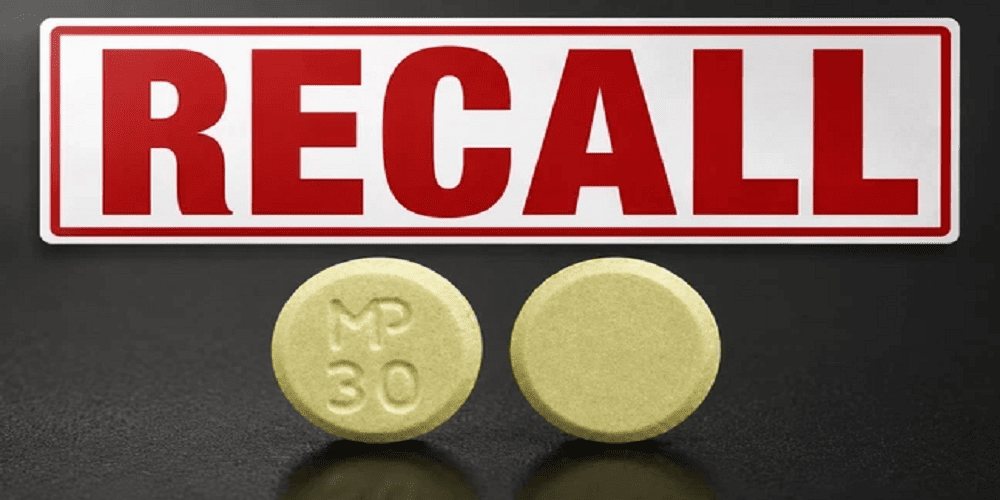
Chlorthalidone is a widely prescribed medication used to treat high blood pressure and fluid retention. It belongs to a class of drugs known as thiazide-like diuretics and has been used for decades to help reduce the risk of heart attacks, strokes, and other cardiovascular complications. Over the years, concerns about medication quality and manufacturing issues have led many patients to search for information regarding a chlorthalidone recall.
If you have recently heard about a chlorthalidone recall, it is important to understand what a drug recall means, why recalls happen, and what steps patients should take if they are affected. This guide explains everything you need to know about chlorthalidone recalls, safety concerns, potential risks, and how to protect your health.
Understanding Chlorthalidone
Chlorthalidone is a prescription medication commonly used for:
- Hypertension (high blood pressure)
- Edema (fluid retention)
- Heart-related conditions
- Prevention of cardiovascular complications
The drug works by helping the kidneys remove excess salt and water from the body. As a result, blood pressure decreases and swelling is reduced.
Many healthcare providers prefer chlorthalidone because it provides long-lasting blood pressure control and has shown strong results in clinical studies.
What Is a Drug Recall?
Before discussing a chlorthalidone recall, it is important to understand the concept of a drug recall.
A drug recall occurs when a pharmaceutical company removes a medication from the market due to:
- Manufacturing defects
- Contamination concerns
- Incorrect labeling
- Packaging issues
- Presence of harmful impurities
- Stability problems
Drug recalls are typically initiated voluntarily by manufacturers or requested by regulatory agencies when a product may pose a risk to patients.
Not every recall means a medication is dangerous. Some recalls are precautionary and involve quality control issues rather than direct health risks.
Why Has Chlorthalidone Been Recalled?
When news of a chlorthalidone recall emerges, the reasons can vary depending on the manufacturer and batch involved.
Common reasons for medication recalls include:
Manufacturing Problems
Manufacturing facilities must meet strict quality standards. If inspections reveal deficiencies, affected products may be recalled.
Contamination Concerns
Certain medications have been recalled due to contamination with unwanted substances introduced during production.
Impurity Detection
Advanced testing sometimes identifies impurities that exceed acceptable limits. These impurities may develop during manufacturing or storage.
Packaging Errors
Incorrect dosage labels or packaging mistakes can result in a recall even when the medication itself is chemically sound.
Stability Issues
Some products may not maintain their quality throughout the intended shelf life, leading to a recall.
Whenever a chlorthalidone recall occurs, authorities typically publish details regarding affected lots, expiration dates, and manufacturer information.
How Drug Recalls Are Classified
Drug recalls are generally categorized according to potential health risks.
Class I Recall
This is the most serious type of recall.
It involves products that may cause severe health consequences or death.
Class II Recall
This category involves products that may cause temporary or medically reversible adverse effects.
Most medication recalls fall into this category.
Class III Recall
These recalls involve products that are unlikely to cause health problems but may violate manufacturing regulations.
When evaluating a chlorthalidone recall, understanding the recall classification helps determine the level of concern.
The Importance of Monitoring Drug Quality
Medication quality plays a critical role in patient safety.
Regulatory agencies continuously monitor pharmaceutical products through:
- Facility inspections
- Laboratory testing
- Adverse event reporting systems
- Post-market surveillance programs
These measures help identify potential issues before they become widespread.
A chlorthalidone recall demonstrates that the monitoring system is functioning as intended to protect patients.
Potential Risks Associated with Recalled Medications
The risks associated with a recalled medication depend on the specific issue involved.
Possible concerns may include:
Reduced Effectiveness
A medication may not provide the intended therapeutic effect.
Unexpected Side Effects
Contaminants or manufacturing defects could increase the likelihood of adverse reactions.
Incorrect Dosage Exposure
Packaging or labeling errors may lead to underdosing or overdosing.
Long-Term Health Risks
In rare cases, certain impurities may raise concerns regarding long-term exposure.
Patients affected by a chlorthalidone recall should carefully review recall notices and consult healthcare professionals if necessary.
How Patients Learn About a Chlorthalidone Recall
Patients often discover information about a chlorthalidone recall through several sources:
Pharmacy Notifications
Many pharmacies contact affected customers directly.
Healthcare Providers
Doctors and healthcare facilities may inform patients about significant recalls.
Regulatory Agencies
Government agencies publish recall announcements on their websites.
News Reports
Major recalls frequently receive media coverage.
Pharmaceutical Companies
Manufacturers often release public statements explaining recall details.
What to Do If Your Chlorthalidone Is Recalled
Learning that your medication has been recalled can be concerning. However, patients should avoid panic and follow a structured approach.
Check the Recall Details
Verify whether your medication is included in the recall.
Review:
- Manufacturer name
- Lot number
- Expiration date
- Dosage strength
Contact Your Pharmacist
A pharmacist can confirm whether your medication is affected and provide guidance regarding replacement options.
Speak With Your Doctor
Do not stop taking prescribed medication without consulting your healthcare provider.
Abrupt discontinuation may increase blood pressure and create additional health risks.
Obtain a Replacement
In many cases, pharmacies can provide replacement medication from unaffected batches.
Monitor Your Health
If you experience unusual symptoms, seek medical attention promptly.
Common Side Effects of Chlorthalidone
Regardless of a chlorthalidone recall, patients should remain aware of possible side effects associated with normal use.
Common side effects include:
- Dizziness
- Headache
- Increased urination
- Muscle cramps
- Fatigue
- Low potassium levels
- Dry mouth
Most side effects are manageable, but severe symptoms should be reported to a healthcare professional.
Serious Side Effects Requiring Medical Attention
Some adverse reactions require immediate evaluation.
These may include:
- Severe dehydration
- Irregular heartbeat
- Extreme weakness
- Allergic reactions
- Difficulty breathing
- Severe electrolyte imbalance
Patients experiencing these symptoms should seek medical assistance immediately.
How Pharmaceutical Companies Handle Recalls
When a quality issue is discovered, pharmaceutical manufacturers typically follow a structured recall process.
Investigation
The company identifies the source of the problem.
Risk Assessment
Experts evaluate the potential impact on patients.
Notification
Healthcare providers, pharmacies, and distributors are informed.
Product Removal
Affected products are removed from circulation.
Corrective Action
Manufacturing processes are improved to prevent recurrence.
This systematic approach helps ensure patient safety during a chlorthalidone recall.
Impact of Recalls on Patients
Medication recalls can create challenges for patients.
Anxiety and Uncertainty
Many individuals worry about possible health consequences.
Treatment Disruptions
Replacing medication may require additional appointments and pharmacy visits.
Financial Concerns
Some patients may incur costs associated with obtaining alternative medications.
Trust Issues
Repeated recalls can affect public confidence in pharmaceutical products.
Healthcare professionals play an important role in helping patients navigate these concerns.
Alternative Medications to Chlorthalidone
If replacement therapy becomes necessary after a chlorthalidone recall, physicians may consider alternatives based on individual patient needs.
Potential alternatives include:
- Hydrochlorothiazide
- Indapamide
- Furosemide
- Spironolactone
- Bumetanide
The most appropriate option depends on:
- Medical history
- Blood pressure goals
- Kidney function
- Existing medications
Only a healthcare provider should determine whether a medication change is appropriate.
Preventing Problems Related to Medication Recalls
Although patients cannot prevent recalls themselves, several steps can help minimize risk.
Use Reputable Pharmacies
Purchase medications only from licensed pharmacies.
Keep Medication Records
Maintain records of:
- Prescription numbers
- Manufacturer information
- Lot numbers
Stay Informed
Monitor safety updates from healthcare providers and regulatory agencies.
Follow Prescribing Instructions
Take medications exactly as directed.
Report Adverse Events
Inform healthcare professionals about unexpected side effects.
The Role of Regulatory Agencies
Government agencies are responsible for protecting public health by overseeing pharmaceutical safety.
Their responsibilities include:
- Inspecting manufacturing facilities
- Reviewing safety data
- Monitoring adverse events
- Enforcing quality standards
- Coordinating recalls
These agencies help ensure that medications remain safe and effective throughout their lifecycle.
How Recalls Affect Healthcare Providers
Healthcare professionals must respond quickly when a chlorthalidone recall occurs.
Their responsibilities may include:
- Reviewing affected patient records
- Providing treatment recommendations
- Prescribing alternatives
- Monitoring patient outcomes
- Educating patients about recall procedures
This coordinated effort helps reduce disruption and maintain continuity of care.
Understanding Medication Lot Numbers
Lot numbers play a critical role during recalls.
A lot number identifies a specific production batch.
When a chlorthalidone recall occurs, only certain lots may be affected.
Patients can usually find lot numbers on:
- Prescription bottles
- Medication packaging
- Pharmacy labels
Checking this information helps determine whether action is necessary.
Can Recalled Chlorthalidone Cause Immediate Harm?
The answer depends on the reason for the recall.
Many recalls are precautionary and involve minimal immediate risk.
However, some recalls may involve:
- Contamination
- Potency issues
- Labeling errors
Patients should review official recall information rather than assuming the worst.
Healthcare providers can explain the actual level of risk associated with a specific chlorthalidone recall.
Long-Term Outlook for Patients
Most patients affected by a chlorthalidone recall continue treatment successfully after receiving replacement medication.
Healthcare providers can:
- Adjust prescriptions
- Monitor blood pressure
- Evaluate side effects
- Recommend alternatives if necessary
The majority of recall-related situations are resolved without significant health consequences.
Conclusion
A chlorthalidone recall can understandably cause concern among patients who rely on the medication for blood pressure control and fluid management. However, recalls are an important safety mechanism designed to protect public health. They often result from quality control issues, manufacturing concerns, or labeling errors rather than direct evidence of harm.
If you discover that your medication is involved in a chlorthalidone recall, verify the affected lot information, contact your pharmacist, and speak with your healthcare provider before making any changes to your treatment plan. Staying informed and following professional medical advice can help ensure continued safety and effective management of your condition.
FAQs
What is a chlorthalidone recall?
A chlorthalidone recall occurs when a manufacturer removes certain batches of the medication from the market due to quality, safety, labeling, or manufacturing concerns.
Should I stop taking chlorthalidone if it is recalled?
Do not stop taking chlorthalidone without consulting your healthcare provider. Sudden discontinuation may cause blood pressure to rise.
How do I know if my medication is included in a chlorthalidone recall?
Check the manufacturer name, lot number, dosage strength, and expiration date listed in the recall notice and compare them with your medication packaging.
What should I do if I have recalled chlorthalidone?
Contact your pharmacist and healthcare provider for guidance regarding replacement medication and next steps.
Are all chlorthalidone products affected during a recall?
No. Most recalls involve specific manufacturers, batches, or lot numbers rather than all chlorthalidone products.
Can recalled chlorthalidone cause health problems?
Potential risks depend on the reason for the recall. Some recalls involve minimal risk, while others may require immediate attention.
What are common side effects of chlorthalidone?
Common side effects include dizziness, increased urination, headache, muscle cramps, fatigue, and low potassium levels.
Are there alternatives to chlorthalidone?
Yes. Alternatives may include hydrochlorothiazide, indapamide, spironolactone, and other diuretic medications prescribed by a healthcare provider.
How are medication recalls announced?
Recalls are typically announced through pharmacies, healthcare providers, pharmaceutical companies, regulatory agencies, and news outlets.
Is chlorthalidone generally considered safe?
Yes. When prescribed appropriately and manufactured according to quality standards, chlorthalidone is generally considered a safe and effective treatment for high blood pressure and fluid retention.
Leave A Comment
0 Comment