
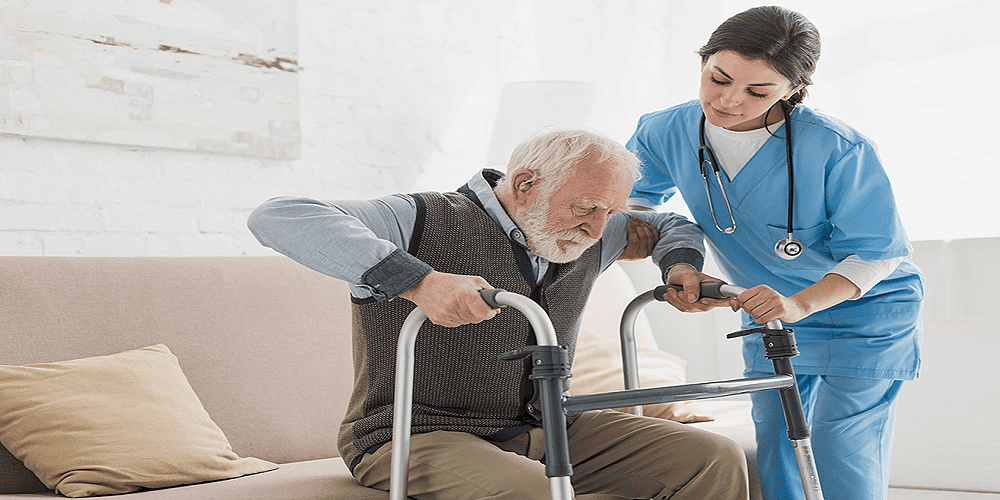
Home healthcare is transforming the way people receive medical and personal support. Instead of staying in hospitals or long-term care facilities, individuals can now receive professional services in the comfort of their own homes. Home healthcare focuses on recovery, chronic disease management, elderly support, and post-surgical care while allowing patients to remain in familiar surroundings.
As healthcare costs rise and populations age, home healthcare has become an essential part of modern medical systems worldwide. It combines clinical expertise with personalized attention, ensuring patients maintain dignity, independence, and quality of life.
What Is Home Healthcare?
Home healthcare refers to a wide range of medical and non-medical services delivered at a patient’s residence. These services are typically provided by trained professionals such as nurses, therapists, home health aides, and sometimes physicians. The main goal of home healthcare is to help individuals recover, manage illness, or maintain their current health status without unnecessary hospital stays.
Unlike simple home assistance, home healthcare often includes skilled medical care. This may involve wound treatment, medication management, physical therapy, and monitoring of chronic conditions. Because home healthcare plans are tailored to each person, patients receive focused care designed around their unique needs.
Who Needs Home Healthcare?
Home healthcare is not limited to one age group or condition. It serves a broad range of individuals, including:
- Seniors who need help with daily health monitoring
- Patients recovering after surgery or hospitalization
- Individuals with chronic illnesses such as diabetes or heart disease
- People with mobility challenges
- Patients requiring rehabilitation therapies
- Individuals with disabilities who need ongoing support
For many families, home healthcare becomes the bridge between hospital discharge and full recovery. It ensures patients do not feel abandoned after leaving medical facilities.
Types of Services in Home Healthcare
Home healthcare includes both medical and supportive services. Each plan depends on the patient's diagnosis and level of independence.
Skilled Nursing Care
Skilled nursing is one of the most important components of home healthcare. Registered nurses provide services such as:
- Monitoring vital signs
- Administering injections and medications
- Managing IV therapy
- Wound care and dressing changes
- Educating patients and families about health conditions
Skilled nursing ensures that patients receive hospital-level attention while remaining at home.
Therapy Services
Rehabilitation plays a major role in home healthcare. Therapists help patients regain strength, mobility, and communication skills.
Physical therapy focuses on improving movement and reducing pain.
Occupational therapy helps patients perform daily tasks such as bathing or dressing.
Speech therapy supports those who have difficulty speaking or swallowing.
These therapies are essential after strokes, surgeries, or injuries.
Home Health Aide Support
Home health aides assist with personal care activities. While they are not always medical professionals, they are a vital part of home healthcare. Their duties may include:
- Bathing and grooming
- Meal preparation
- Light housekeeping
- Mobility assistance
Their support helps patients maintain independence and comfort.
Medical Social Services
Social workers involved in home healthcare provide emotional support and guidance. They help families understand treatment options, connect with community resources, and manage the stress that often accompanies illness.
Benefits of Home Healthcare
Home healthcare offers advantages that go beyond simple convenience.
Comfort and Familiarity
Healing at home allows patients to stay in a comfortable and emotionally supportive environment. Being surrounded by family and personal belongings can speed recovery and reduce stress.
Personalized Care
Home healthcare plans are customized. Unlike hospitals where staff must divide attention among many patients, caregivers at home can focus on individual needs.
Reduced Hospital Readmissions
Studies show that proper home healthcare reduces the likelihood of complications that lead to hospital readmissions. Regular monitoring helps catch problems early.
Cost-Effective Care
Home healthcare is often more affordable than extended hospital stays or nursing home placement. It delivers targeted services without the overhead of institutional care.
Greater Independence
Patients maintain control over daily routines, meals, and activities. Home healthcare supports independence rather than replacing it.
Home Healthcare for Seniors
Aging populations have driven significant growth in home healthcare services. Seniors often face multiple health conditions, reduced mobility, and medication management challenges.
Home healthcare helps older adults age in place safely. Nurses can monitor blood pressure, manage medications, and check for early signs of complications. Therapists help prevent falls by improving balance and strength. Aides assist with daily living tasks that become difficult with age.
For families, home healthcare provides peace of mind knowing their loved ones receive professional oversight without losing the comfort of home.
Home Healthcare After Surgery
Recovery after surgery can be complex. Patients may experience pain, limited mobility, or wound care needs. Home healthcare ensures proper recovery without prolonged hospital stays.
Nurses handle wound dressing, monitor for infection, and ensure medications are taken correctly. Physical therapists guide rehabilitation exercises that restore strength. With home healthcare, patients recover more comfortably and often more quickly.
Managing Chronic Conditions Through Home Healthcare
Chronic diseases such as diabetes, heart failure, and respiratory conditions require ongoing attention. Home healthcare provides structured monitoring that helps patients avoid complications.
Nurses educate patients about symptom tracking and lifestyle adjustments. Regular visits allow early detection of issues like fluid buildup or blood sugar changes. By managing these conditions proactively, home healthcare improves long-term outcomes.
Technology and Home Healthcare
Modern technology has greatly improved home healthcare services. Remote monitoring devices allow caregivers to track vital signs such as heart rate, oxygen levels, and blood pressure in real time.
Telehealth consultations also support home healthcare by connecting patients with doctors virtually. This reduces travel stress and ensures quick access to medical advice. Digital medication reminders and wearable devices further enhance patient safety.
Role of Family in Home Healthcare
Family members play an important role in home healthcare. While professionals provide clinical services, families offer emotional support and assist with daily routines.
Care teams often train family members on how to help with mobility, medication reminders, and symptom observation. This partnership makes home healthcare more effective and sustainable.
Choosing a Home Healthcare Provider
Selecting the right provider is crucial. Families should consider:
- Licensing and certification
- Experience of nurses and therapists
- Availability of services needed
- Emergency support options
- Clear communication and care planning
Reliable home healthcare agencies create structured care plans and maintain close contact with doctors.
Challenges in Home Healthcare
While home healthcare has many benefits, it also presents challenges.
Some homes may require modifications for safety, such as grab bars or ramps. Coordinating multiple caregivers can sometimes be complex. In rural areas, access to skilled professionals may be limited.
Despite these issues, home healthcare continues to expand because its advantages often outweigh the challenges.
Future of Home Healthcare
The future of home healthcare looks promising. Advances in wearable health devices, artificial intelligence, and telemedicine will make remote care even more precise.
Healthcare systems worldwide are shifting toward patient-centered models, and home healthcare is at the heart of this change. As populations age and hospital resources remain limited, in-home care will become even more common.
Emotional Impact of Home Healthcare
Receiving care at home supports emotional well-being. Patients often feel less anxious and more in control of their lives. Familiar surroundings reduce confusion, especially for individuals with memory-related conditions.
Home healthcare also helps maintain social connections. Friends and relatives can visit more easily compared to hospital settings, which boosts morale and mental health.
Training and Professionals in Home Healthcare
Professionals in home healthcare undergo specialized training. Nurses must be licensed and often have experience in acute or community care. Therapists receive certification in rehabilitation disciplines. Home health aides complete training programs focused on patient safety and hygiene.
Ongoing education ensures that home healthcare providers stay updated with medical advancements.
Safety in Home Healthcare
Safety is a key priority in home healthcare. Caregivers assess fall risks, medication storage, and infection control. They teach families how to maintain a safe environment.
Emergency plans are also part of home healthcare strategies. Providers ensure that patients and families know whom to contact if urgent issues arise.
Financial Aspects of Home Healthcare
Costs of home healthcare vary depending on services required. Skilled nursing and therapy may be covered by insurance when medically necessary. Long-term personal care may require private payment or specific coverage plans.
Understanding financial options helps families plan sustainable home healthcare arrangements.
Home Healthcare vs. Hospital Care
Hospital care is essential for emergencies and surgeries, but extended stays can be stressful. Home healthcare offers a more relaxed setting for recovery and long-term management.
Patients often sleep better and follow routines more easily at home. This comfort supports faster healing and better mental health outcomes.
Conclusion
Home healthcare is reshaping how people receive medical support. It brings professional services directly to patients, allowing them to heal and manage conditions in a familiar and comfortable setting. From seniors aging in place to patients recovering after surgery, home healthcare provides compassionate, cost-effective, and personalized care.
As technology evolves and healthcare systems adapt, home healthcare will continue to grow in importance. It not only improves physical health outcomes but also supports emotional well-being, independence, and dignity.
FAQs About Home Healthcare
1. What is home healthcare mainly used for?
Home healthcare is used for medical recovery, chronic disease management, rehabilitation therapy, and personal care support at home.
2. Is home healthcare only for elderly people?
No, home healthcare serves patients of all ages who need medical or supportive care at home.
3. Do doctors visit patients during home healthcare?
In some cases, physicians may visit, but most home healthcare services are provided by nurses and therapists under a doctor’s supervision.
4. How long can someone receive home healthcare?
The duration depends on the patient’s condition. Some need short-term recovery care, while others require long-term home healthcare support.
5. Is home healthcare covered by insurance?
Many insurance plans cover medically necessary home healthcare services, but coverage varies by provider and policy.
6. What is the difference between home care and home healthcare?
Home care usually refers to non-medical help, while home healthcare includes skilled medical services provided by licensed professionals.
7. Can home healthcare prevent hospital visits?
Yes, proper monitoring and treatment through home healthcare can reduce complications that lead to hospital readmissions.
8. Who creates a home healthcare plan?
A doctor typically prescribes home healthcare, and nurses or care coordinators develop a personalized care plan.
9. Is home healthcare safe?
Yes, trained professionals follow strict safety protocols to ensure patients receive secure and effective care at home.
10. How do I start home healthcare services?
Speak with a doctor for a referral, then contact a licensed home healthcare agency to arrange an assessment and care plan.
Leave A Comment
0 Comment