
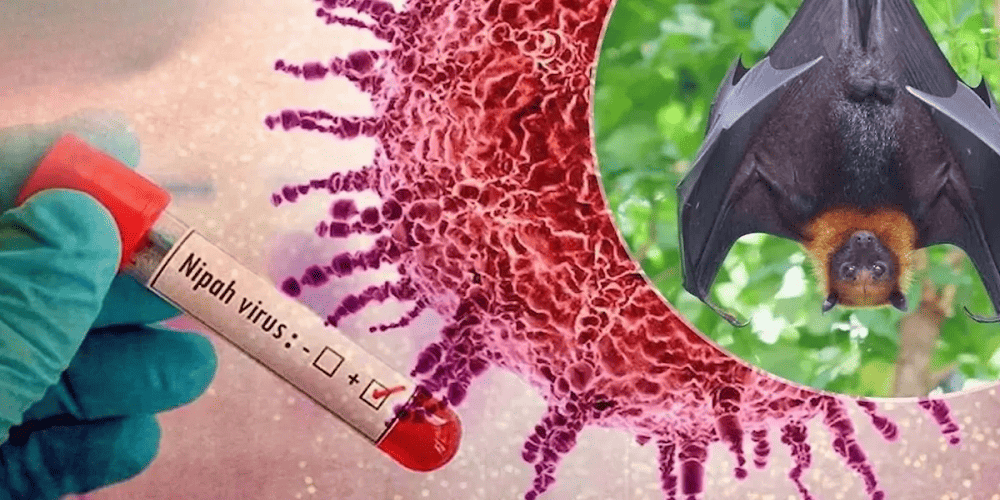
The nipah virus outbreak is one of the most serious emerging public health threats in the world today. Though outbreaks are relatively rare, the virus is highly fatal and has the potential to spread rapidly under the right conditions. Each nipah virus outbreak raises urgent concerns among health authorities because there is currently no specific antiviral treatment or licensed vaccine widely available for humans.
Understanding how a nipah virus outbreak begins, how it spreads, and how it can be prevented is essential for communities, healthcare workers, and governments. This article explores the origins of the virus, transmission patterns, symptoms, diagnosis, treatment options, and global efforts to prevent future outbreaks.
What Is Nipah Virus?
Nipah virus (NiV) is a zoonotic virus, meaning it spreads from animals to humans. It can also be transmitted from person to person. The virus belongs to the Henipavirus genus, which also includes Hendra virus. Fruit bats of the Pteropus species, often called flying foxes, are the natural reservoir of the virus.
A nipah virus outbreak usually occurs when humans come into contact with infected animals, contaminated food, or infected individuals. The disease can range from mild illness to severe respiratory infection and fatal brain inflammation (encephalitis).
History of Nipah Virus Outbreaks
The first recorded nipah virus outbreak occurred in Malaysia in 1998–1999. The virus spread from fruit bats to pigs and then to humans who worked closely with the animals. This outbreak led to hundreds of human infections and significant economic losses due to mass pig culling.
Since then, repeated nipah virus outbreaks have been reported in countries such as Bangladesh and India. In these regions, the virus often spreads through the consumption of raw date palm sap contaminated by infected bats or through close human-to-human contact.
Each nipah virus outbreak has highlighted the virus’s high fatality rate, which can range from 40% to over 70% depending on healthcare access and outbreak management.
How a Nipah Virus Outbreak Starts
A nipah virus outbreak often begins with a spillover event. This happens when the virus jumps from its natural animal host to humans. Fruit bats carry the virus without showing symptoms. They can shed the virus in saliva, urine, and feces.
Common triggers for a nipah virus outbreak include:
- Consumption of fruits partially eaten by infected bats
- Drinking raw date palm sap contaminated with bat secretions
- Close contact with infected pigs or other animals
- Direct exposure to infected people, especially in healthcare settings
Deforestation and urban expansion can increase the risk of a nipah virus outbreak by bringing humans and wildlife into closer contact.
Transmission During a Nipah Virus Outbreak
Transmission patterns vary in each nipah virus outbreak, but there are three main routes:
Animal to Human Transmission
In many early cases, a nipah virus outbreak began when people handled infected livestock or consumed contaminated food.
Human to Human Transmission
Close contact with bodily fluids of infected individuals can spread the virus. Family members and healthcare workers are at high risk during a nipah virus outbreak if protective measures are not used.
Foodborne Transmission
In some regions, a nipah virus outbreak has been linked to raw date palm sap. Bats lick the sap collection pots, contaminating the liquid with the virus.
Symptoms of Nipah Virus Infection
Symptoms during a nipah virus outbreak can appear between 4 and 14 days after exposure, though longer incubation periods have been reported.
Early symptoms may include:
- Fever
- Headache
- Muscle pain
- Vomiting
- Sore throat
As the disease progresses during a nipah virus outbreak, patients may develop:
- Dizziness and drowsiness
- Altered consciousness
- Acute encephalitis
- Seizures
- Coma within 24–48 hours in severe cases
Respiratory symptoms such as cough and difficulty breathing are also common in some nipah virus outbreak cases, increasing the risk of transmission.
Complications and Fatality Rates
A nipah virus outbreak is particularly dangerous because of its high fatality rate. Many patients develop severe neurological complications. Survivors of a nipah virus outbreak may experience long-term issues such as personality changes, persistent convulsions, or neurological disorders.
Relapses have also been reported months or even years after recovery, making long-term monitoring important after a nipah virus outbreak.
Diagnosis During a Nipah Virus Outbreak
Early diagnosis in a nipah virus outbreak is challenging because initial symptoms resemble other viral illnesses. Laboratory testing is required for confirmation.
Common diagnostic methods include:
- RT-PCR tests to detect viral RNA
- ELISA tests to detect antibodies
- Virus isolation in specialized labs
Rapid identification during a nipah virus outbreak is crucial to isolate patients and prevent further spread.
Treatment Options
There is no specific antiviral cure for Nipah virus infection. Treatment during a nipah virus outbreak mainly focuses on supportive care, including:
- Managing fever and pain
- Providing respiratory support
- Monitoring neurological status
- Preventing secondary infections
Some experimental therapies have been studied during a nipah virus outbreak, but none are yet widely approved. Intensive care support significantly improves survival chances.
Infection Control in Healthcare Settings
Healthcare facilities are high-risk environments during a nipah virus outbreak. Strict infection prevention measures are essential.
Key steps include:
- Use of personal protective equipment (PPE)
- Isolation of infected patients
- Proper hand hygiene
- Safe handling of medical waste
Failure to follow protocols has led to hospital-based transmission in past nipah virus outbreak situations.
Community-Level Prevention
Preventing a nipah virus outbreak requires community awareness and behavioral changes.
Important preventive measures include:
- Avoiding consumption of raw date palm sap
- Washing fruits thoroughly and peeling them
- Avoiding contact with sick animals
- Reporting unusual illnesses in animals or humans
Public education plays a major role in reducing the risk of a nipah virus outbreak.
Government and Global Response
When a nipah virus outbreak occurs, rapid response teams are activated. Governments typically implement:
- Contact tracing
- Quarantine measures
- Travel advisories
- Public awareness campaigns
International organizations support surveillance and research to better manage each nipah virus outbreak.
Vaccine Research and Future Preparedness
Scientists are working to develop vaccines and antiviral treatments to reduce the impact of a future nipah virus outbreak. Several vaccine candidates are in development, but more research and funding are needed.
Preparedness strategies focus on:
- Strengthening disease surveillance
- Improving laboratory capacity
- Training healthcare workers
- Monitoring bat populations
Preparedness can significantly reduce the severity of the next nipah virus outbreak.
Economic and Social Impact
A nipah virus outbreak can disrupt economies, especially in agriculture and livestock sectors. Travel restrictions, fear, and healthcare strain can affect daily life.
Communities affected by a nipah virus outbreak often face stigma and misinformation, which can hinder response efforts. Clear communication is vital.
Why Nipah Virus Remains a Global Concern
The nipah virus outbreak threat persists because the virus can spread quickly and has a high fatality rate. Global travel and environmental changes increase the risk of cross-border spread.
Public health experts consider the nipah virus outbreak potential serious enough to be listed among priority diseases for research and development.
Conclusion
The nipah virus outbreak is a critical public health challenge that requires global cooperation, scientific research, and community awareness. Although outbreaks are not frequent, their impact can be devastating.
Understanding transmission routes, recognizing symptoms early, and implementing strong prevention strategies can reduce the damage caused by a nipah virus outbreak. Preparedness today is the key to saving lives in the future.
FAQs About Nipah Virus Outbreak
1. What causes a nipah virus outbreak?
A nipah virus outbreak is usually caused by spillover of the virus from fruit bats to humans, often through contaminated food or close contact with infected animals or people.
2. How dangerous is a nipah virus outbreak?
A nipah virus outbreak is very dangerous due to its high fatality rate and risk of severe brain inflammation.
3. Can nipah virus spread from person to person?
Yes, human-to-human transmission can occur during a nipah virus outbreak, especially through close contact with infected individuals.
4. Is there a cure during a nipah virus outbreak?
There is no specific cure yet. Treatment during a nipah virus outbreak focuses on supportive medical care.
5. How can people protect themselves?
Avoiding contaminated food, practicing hygiene, and limiting contact with sick individuals can help prevent infection during a nipah virus outbreak.
6. Are healthcare workers at risk?
Yes, healthcare workers face higher risk during a nipah virus outbreak if proper protective measures are not followed.
7. Can a nipah virus outbreak be prevented?
While not always preventable, early detection, public awareness, and strong infection control can limit the spread of a nipah virus outbreak.
8. Why is vaccine development important?
A vaccine would greatly reduce deaths and help control future nipah virus outbreak situations.
9. Where do most nipah virus outbreaks occur?
Most nipah virus outbreak events have been reported in South and Southeast Asia.
10. Should people panic during a nipah virus outbreak?
Panic is not helpful. Awareness, hygiene, and following public health guidance are the best responses to a nipah virus outbreak.
Leave A Comment
0 Comment