
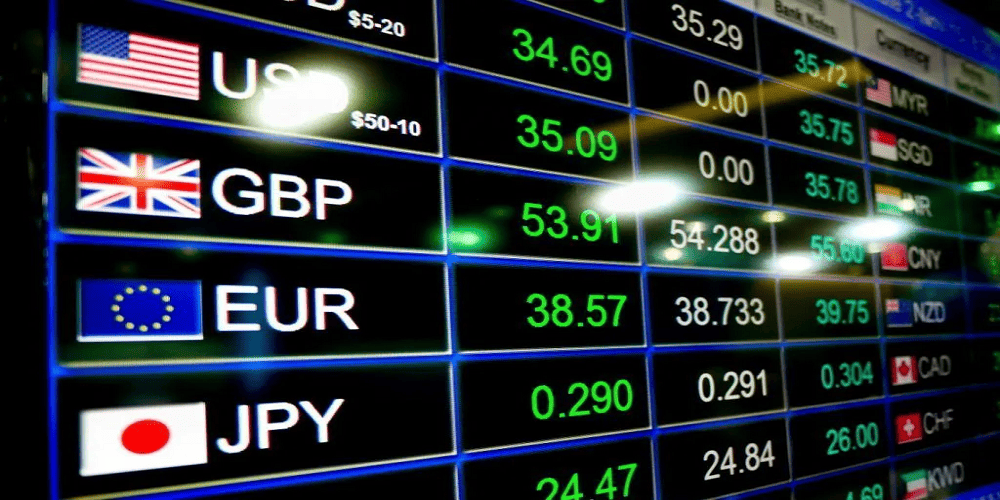
Currency exchange plays a vital role in today’s global economy. Whether you are traveling abroad, running an international business, investing in foreign markets, or sending money overseas, currency exchange affects how much money you gain or lose. Understanding currency exchange can help you save money, avoid unnecessary fees, and make smarter financial decisions.
In this detailed guide, we will explain what currency exchange is, how it works, the different types of currency exchange systems, factors affecting exchange rates, where to exchange currency, and practical tips to get the best rates. This article is designed for beginners as well as those who want deeper knowledge of currency exchange.
What Is Currency Exchange?
Currency exchange is the process of converting one country’s currency into another. Every country uses its own official currency, such as the US dollar, Indian rupee, euro, or British pound. When money moves between countries, it must be exchanged at a specific rate, known as the exchange rate.
Currency exchange allows international trade, tourism, investments, and global finance to function smoothly. Without currency exchange, cross-border transactions would be extremely difficult.
For example, if an Indian traveler visits the United States, they must exchange Indian rupees for US dollars. Similarly, an exporter in India receiving payment from a European company will need currency exchange to convert euros into rupees.
How Currency Exchange Works
Currency exchange works through exchange rates. An exchange rate tells you how much of one currency you can get in exchange for another. These rates are not fixed and change continuously due to market demand and supply.
At its core, currency exchange is influenced by the foreign exchange market, also known as the forex market. This market operates 24 hours a day and involves banks, financial institutions, governments, corporations, and individual traders.
When demand for a currency increases, its value rises. When demand decreases, its value falls. This constant movement is what makes currency exchange dynamic.
Understanding Exchange Rates
Exchange rates are the foundation of currency exchange. There are two main types of exchange rates:
Floating Exchange Rate
In a floating exchange rate system, the currency value is determined by market forces. Most major currencies, such as the US dollar, euro, and Japanese yen, follow this system.
Fixed Exchange Rate
In a fixed exchange rate system, a country’s currency is pegged to another major currency or a basket of currencies. The government or central bank controls the rate to maintain stability.
Some countries use a managed float, which is a mix of both systems, where authorities occasionally intervene to stabilize the currency exchange rate.
Types of Currency Exchange Transactions
Currency exchange can take place in different forms depending on the purpose and timing of the transaction.
Spot Currency Exchange
This is the most common type of currency exchange. The transaction is completed at the current market rate, usually within two business days.
Forward Currency Exchange
In forward exchange contracts, the rate is agreed upon today, but the exchange happens at a future date. This helps businesses protect themselves from currency fluctuations.
Currency Swaps
Currency swaps involve exchanging currencies for a certain period and then reversing the transaction later. These are commonly used by large institutions and governments.
Who Uses Currency Exchange?
Currency exchange is used by a wide range of individuals and organizations.
Travelers rely on currency exchange to pay for goods and services abroad. Businesses use currency exchange to import and export products. Investors depend on currency exchange when investing in foreign stocks or bonds. Governments and central banks use currency exchange to manage reserves and stabilize economies.
Even individuals sending money to family members overseas are part of the currency exchange system.
Factors That Affect Currency Exchange Rates
Many factors influence currency exchange rates, making them unpredictable at times.
Interest Rates
Countries with higher interest rates often attract foreign investors, increasing demand for their currency and strengthening it.
Inflation
Low inflation usually leads to a stronger currency, while high inflation weakens it over time.
Economic Performance
Strong economic growth, low unemployment, and healthy trade balances can positively impact currency exchange rates.
Political Stability
Countries with stable governments tend to have stronger currencies. Political uncertainty can reduce investor confidence and weaken a currency.
Market Speculation
Traders’ expectations and speculation also play a role in short-term currency exchange movements.
Where Can You Exchange Currency?
There are multiple places where currency exchange services are available, each with its own advantages and disadvantages.
Banks
Banks are considered safe and reliable for currency exchange. However, they may charge higher fees or offer less competitive rates.
Currency Exchange Bureaus
These are commonly found at airports, malls, and tourist areas. While convenient, airport currency exchange counters often have poor exchange rates.
Online Currency Exchange Platforms
Digital platforms provide competitive rates and transparency. They are increasingly popular for international transfers and online transactions.
ATMs Abroad
Using international ATMs can be convenient, but fees and unfavorable exchange rates may apply.
Currency Exchange for Travelers
For travelers, currency exchange is an essential part of planning an international trip.
It is usually advisable not to exchange all your money at the airport due to higher charges. Instead, exchange a small amount for immediate expenses and use local banks or ATMs for better rates.
Using international debit or credit cards can also reduce the need for physical currency exchange, but travelers should check foreign transaction fees beforehand.
Currency Exchange in International Business
Currency exchange is critical for businesses involved in global trade. Fluctuating exchange rates can impact profits, costs, and pricing strategies.
Many companies use hedging techniques such as forward contracts to protect themselves from unfavorable currency exchange movements. Proper currency risk management helps businesses maintain stable cash flows.
Online Currency Exchange and Digital Payments
With the rise of digital banking, online currency exchange has become more accessible. Many platforms offer real-time exchange rates, low fees, and fast transfers.
Digital wallets and international payment apps allow users to hold multiple currencies and exchange them instantly. This has simplified currency exchange for freelancers, remote workers, and global businesses.
Currency Exchange and Remittances
Remittances involve sending money across borders, often by migrant workers to their home countries. Currency exchange plays a central role in remittance services.
Exchange rates and transfer fees directly affect how much money the recipient receives. Choosing the right service provider can make a significant difference in overall costs.
Tips to Get the Best Currency Exchange Rates
Understanding how to optimize currency exchange can help you save money.
Always compare exchange rates before making a transaction. Avoid exchanging currency at airports unless necessary. Be aware of hidden fees and commissions. Monitor exchange rate trends if you are planning a large transaction. Use trusted platforms or banks for secure currency exchange.
Timing can also matter. Exchange rates fluctuate daily, so exchanging money when rates are favorable can result in better value.
Risks Involved in Currency Exchange
While currency exchange is essential, it also carries certain risks.
Exchange rate volatility can lead to unexpected losses. Fraud and scams can occur if you use unregulated currency exchange providers. Sudden political or economic events can significantly impact exchange rates.
Staying informed and using reputable services can reduce these risks.
Currency Exchange and the Global Economy
Currency exchange is closely linked to global economic stability. Strong currencies can make exports expensive, while weaker currencies can boost exports but increase import costs.
Central banks often intervene in currency exchange markets to control inflation, stabilize the economy, or manage trade imbalances.
Understanding currency exchange helps individuals and businesses better grasp global economic trends.
Future of Currency Exchange
Technology is transforming currency exchange. Automation, artificial intelligence, and blockchain-based solutions are making currency exchange faster and more transparent.
Digital currencies and central bank digital currencies may further change how currency exchange works in the future. Despite these changes, the core concept of currency exchange will remain essential in global finance.
Frequently Asked Questions (FAQs)
What is currency exchange in simple words?
Currency exchange means converting one country’s money into another country’s money at a specific rate.
Why do currency exchange rates change daily?
Currency exchange rates change due to market demand, economic data, interest rates, political events, and investor sentiment.
Is currency exchange cheaper online or at banks?
Online currency exchange platforms often offer better rates than physical banks, but it depends on fees and service providers.
Can individuals make money from currency exchange?
Yes, through forex trading, individuals can profit from currency exchange rate movements, but it involves high risk.
Is it safe to exchange currency at airports?
Airport currency exchange is safe but usually expensive due to higher fees and less favorable exchange rates.
How can I avoid high currency exchange fees?
Compare rates, avoid airport exchanges, use low-fee online platforms, and check bank charges before exchanging currency.
What is the difference between buying and selling rates in currency exchange?
The buying rate is what a provider pays for foreign currency, while the selling rate is what you pay to buy it. The difference is the provider’s profit margin.
Does currency exchange affect international shopping?
Yes, currency exchange rates influence the final price you pay when shopping from international websites.
What documents are required for currency exchange?
Typically, identity proof such as a passport is required, especially for large currency exchange transactions.
How does currency exchange impact travel budgets?
Unfavorable exchange rates and high fees can increase travel costs, while good rates can help travelers save money.
Conclusion
Currency exchange is an essential part of modern life, influencing travel, business, investments, and global trade. By understanding how currency exchange works, what affects exchange rates, and where to exchange money, you can make informed financial decisions.
Whether you are a traveler, entrepreneur, investor, or someone sending money abroad, knowledge of currency exchange helps you minimize costs and manage risks effectively. As the world becomes more connected, currency exchange will continue to shape the global economy and everyday financial activities.
Leave A Comment
0 Comment