
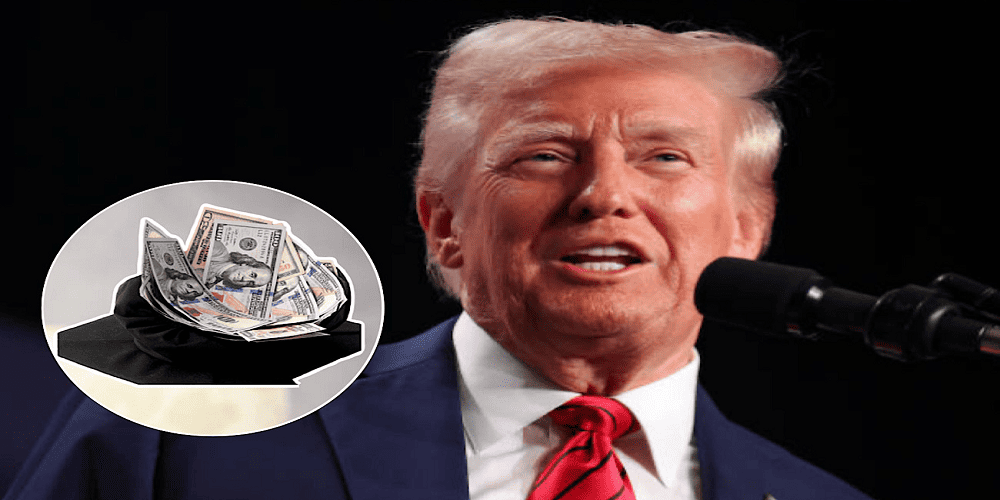
The issue of student loan debt has been a significant concern in the United States, affecting millions of borrowers. Under the leadership of President Donald Trump, policies regarding student loan debt have evolved, with notable shifts in approach and implementation. This article delves into the key aspects of Trump's student loan debt policies, examining their implications for borrowers and the broader educational landscape.
1. Introduction to Trump's Student Loan Debt Policies
Student loan debt in the U.S. has reached staggering figures, with over $1.7 trillion owed by borrowers. Recognizing the burden this places on individuals and the economy, President Trump has taken steps to address the issue. His administration's policies have aimed at reforming repayment plans, providing relief to borrowers, and restructuring federal student aid programs.
2. Income-Driven Repayment Plans and Forgiveness Programs
One of the central components of Trump's approach has been the modification and continuation of Income-Driven Repayment (IDR) plans. These plans, including Income-Based Repayment (IBR), Pay As You Earn (PAYE), and Income-Contingent Repayment (ICR), adjust monthly payments based on a borrower's income and family size, with the promise of loan forgiveness after 20 or 25 years of qualifying payments.
In October 2025, the Trump administration reached an agreement with the American Federation of Teachers (AFT) to resume processing student loan forgiveness claims under these IDR plans. This agreement marked a reversal from earlier efforts to block such relief, affecting over 2.5 million borrowers enrolled in these plans (New York Post).
3. Public Service Loan Forgiveness (PSLF)
The Public Service Loan Forgiveness program, established to encourage individuals to work in public service sectors by offering loan forgiveness after 10 years of qualifying payments, has also been a focal point of Trump's policies. In March 2025, the administration announced efforts to restore and streamline the PSLF program, aiming to reduce bureaucratic hurdles and ensure that eligible borrowers receive the benefits they are entitled to (The White House).
4. The "Big Beautiful Bill" and Its Impact
In July 2025, President Trump signed into law the "One Big Beautiful Bill Act," a comprehensive legislative package that introduced significant changes to federal student aid programs. Key provisions included:
- Phasing out certain IDR plans by July 1, 2028.
- Implementing borrowing limits for graduate and professional students.
- Restructuring income-based repayment programs.
- Expanding Pell Grants to cover workforce-training programs (Wikipedia).
These changes aim to address the escalating costs of higher education and student loan debt, though they have sparked debate among policymakers and stakeholders.
5. Tax Implications of Loan Forgiveness
A significant concern for borrowers receiving loan forgiveness is the potential tax liability on the forgiven amount. Under previous administrations, forgiven student loans were considered taxable income. However, in 2025, the Trump administration agreed to a policy that ensures any student loan debt forgiven before December 31, 2025, will not be subject to federal taxes. This decision provides relief to borrowers who might otherwise face substantial tax bills (New York Post).
6. Legal Challenges and Agreements
The path to student loan debt relief under the Trump administration has not been without legal challenges. In early 2025, the AFT filed a lawsuit against the Department of Education, alleging delays and obstructions in processing loan forgiveness claims. The resulting legal agreement mandated the resumption of forgiveness processing and the retroactive application of qualifying payments, including those made during periods of deferment or forbearance (Business Insider).
7. Future Outlook and Ongoing Reforms
Looking ahead, the Trump administration's policies indicate a continued focus on restructuring federal student aid programs. The planned phase-out of certain IDR plans by 2028 and the introduction of new repayment assistance plans reflect an ongoing effort to balance borrower relief with fiscal responsibility. Stakeholders, including borrowers, educational institutions, and policymakers, will need to stay informed about these developments to navigate the evolving landscape of student loan debt.
Frequently Asked Questions (FAQs)
1. What is the Public Service Loan Forgiveness (PSLF) program?
The PSLF program offers loan forgiveness to borrowers who work in qualifying public service jobs and make 120 qualifying monthly payments under a qualifying repayment plan. The Trump administration has taken steps to restore and streamline this program to ensure eligible borrowers receive the benefits.
2. How does the Income-Driven Repayment (IDR) plan work?
IDR plans adjust monthly student loan payments based on a borrower's income and family size. After 20 or 25 years of qualifying payments, any remaining loan balance may be forgiven. The Trump administration has resumed processing forgiveness claims under these plans.
3. Will loan forgiveness be taxed?
For loans forgiven before December 31, 2025, the Trump administration has ensured that borrowers will not face federal taxes on the forgiven amount, providing significant relief.
4. What changes did the "One Big Beautiful Bill Act" introduce?
The Act introduced several changes, including phasing out certain IDR plans by 2028, implementing borrowing limits for graduate and professional students, and restructuring income-based repayment programs.
5. How can borrowers apply for loan forgiveness?
Borrowers enrolled in qualifying IDR plans should contact their loan servicer or visit the U.S. Department of Education's website for information on applying for loan forgiveness and to ensure their payments are being properly credited.
In conclusion, the Trump administration's policies on student loan debt have undergone significant changes, with a focus on providing relief to borrowers while restructuring federal student aid programs. These developments have far-reaching implications for millions of Americans burdened by student loan debt.
Leave A Comment
0 Comment