
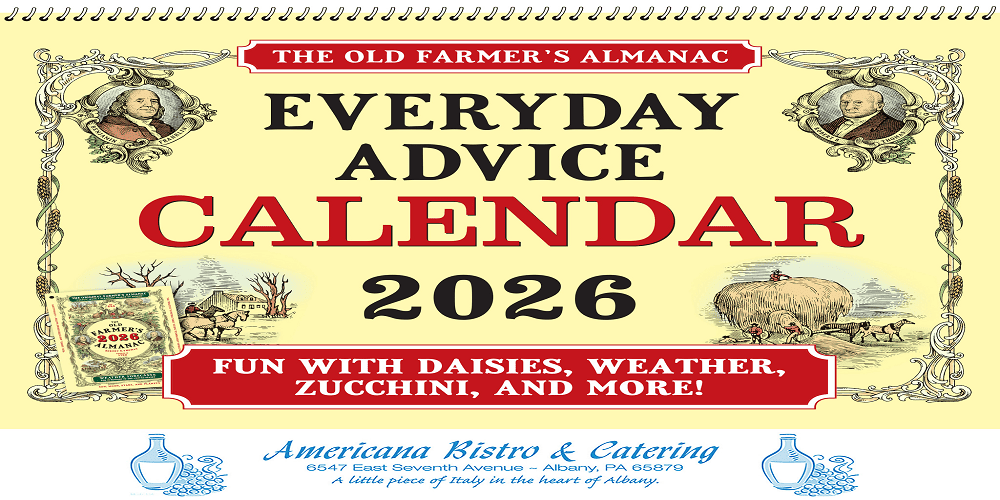
For centuries, the Farmers Almanac has been one of the most trusted and respected sources of long-range weather forecasts, planting calendars, and life advice in North America. Since its first publication in 1818, the almanac has become a household name, offering insights not only to farmers but also to gardeners, outdoor enthusiasts, and anyone interested in understanding natural patterns. This guide explores the origins, accuracy, and modern-day relevance of the Farmers Almanac, along with how it continues to shape lives even in the digital age.
What Is the Farmers Almanac?
The Farmers Almanac is an annual publication that provides long-term weather predictions, astronomical data, gardening tips, recipes, and household advice. The goal of the publication is to help people prepare for the seasons, plan their crops, and live in harmony with nature’s cycles.
Unlike standard meteorological reports, the Farmers Almanac relies on secret formulas and natural indicators such as sunspot activity, tidal action, and planetary positions to forecast weather up to 16 months in advance. While it was originally created for farmers, it now appeals to a much broader audience who value its traditional wisdom and practical tips.
The History of the Farmers Almanac
The first Farmers Almanac was published in 1818 by David Young, a New Jersey teacher and astronomer. His goal was to create a guide that combined useful weather forecasts with general life advice. Over time, the publication gained popularity for its accuracy and down-to-earth tone.
The modern Farmers Almanac, edited by a team led by managing editor Sandi Duncan, still maintains the original spirit of the publication. Each edition carries the motto “Useful, with a pleasant degree of humor,” reminding readers that the almanac is meant to be both informative and enjoyable.
While other similar publications, like the Old Farmer’s Almanac, also exist, the Farmers Almanac distinguishes itself with its unique weather prediction formula and its emphasis on folklore, sustainability, and community-based living.
How the Farmers Almanac Predicts Weather
One of the biggest draws of the Farmers Almanac is its weather forecasting system. The secret formula, created in the 19th century, has been handed down through generations and is known only to a few individuals.
The almanac divides the United States and Canada into distinct weather regions and provides long-range forecasts for each area. These predictions include temperature ranges, precipitation patterns, and seasonal trends for the year ahead.
The formula is said to take into account:
- Sunspot activity (solar radiation cycles)
- Planetary positions
- Tidal influences
- Lunar cycles
- Historical weather patterns
While modern meteorologists rely on computer models and satellite data, the Farmers Almanac continues to depend on its traditional, nature-based approach. Many readers claim its forecasts are surprisingly accurate, though accuracy rates can vary depending on the region and conditions.
Why People Still Rely on the Farmers Almanac
Despite living in a digital age dominated by instant weather updates, millions of people still turn to the Farmers Almanac every year. Its loyal readership includes gardeners, farmers, fishers, and outdoor enthusiasts who value its traditional forecasting style.
Here’s why it remains relevant:
- Long-Range Forecasts: While modern weather apps predict for a week or two, the almanac offers a year’s outlook—ideal for seasonal planning.
- Gardening and Planting Tips: The almanac provides detailed guides on the best planting and harvesting times, based on lunar cycles and regional weather.
- Practical Living Advice: It features home remedies, household tips, and natural solutions for everyday problems.
- Sustainability Focus: Many of its articles promote eco-friendly living, organic farming, and environmental awareness.
- Cultural Nostalgia: For many, reading the Farmers Almanac is a cherished tradition that connects them to simpler times and rural heritage.
Gardening and Planting by the Almanac
One of the main reasons the Farmers Almanac remains popular is its planting calendar. The almanac uses the moon’s phases to suggest optimal planting times. For example, it advises planting root crops during the waning moon and above-ground crops during the waxing moon.
It also provides frost dates, regional soil guides, and tips for composting, pest control, and sustainable watering. Whether you are planting tomatoes, corn, or flowers, following the almanac’s advice can help improve crop yield and garden health.
Many gardeners swear by the lunar planting method, claiming that crops grow stronger and more resilient when aligned with natural rhythms.
The Farmers Almanac and Astronomy
Beyond weather and farming, the Farmers Almanac includes detailed astronomical information. Each edition features:
- Moon phases and full moon names
- Sunrise and sunset times
- Meteor shower schedules
- Eclipses and planetary events
For stargazers, campers, and night photographers, the almanac serves as a dependable guide to celestial events throughout the year.
Notable Predictions and Public Attention
Over the years, the Farmers Almanac has gained attention for its bold weather predictions. Occasionally, it has correctly anticipated major storms or extreme winters, earning it respect among followers.
For example, when the almanac predicted a “polar coaster” winter with freezing temperatures and heavy snowfall in North America, the forecast turned out to be largely accurate in many regions. These high-profile successes have strengthened its reputation, though critics argue that some forecasts are too general to verify precisely.
Nevertheless, the almanac’s influence remains strong—so much so that media outlets often quote it ahead of each winter season.
Comparing Farmers Almanac and The Old Farmer’s Almanac
It’s easy to confuse the Farmers Almanac with The Old Farmer’s Almanac, another long-running publication. While both offer similar content, they differ in style and ownership.
The Farmers Almanac, founded in 1818, is published by Geiger in Lewiston, Maine. The Old Farmer’s Almanac, which began in 1792, is based in New Hampshire. The two publications use different forecasting formulas and editorial tones.
Readers often choose one or the other based on preference, but both share a deep commitment to preserving traditional knowledge and connecting people with the natural world.
Farmers Almanac in the Modern Digital Era
The Farmers Almanac has evolved with time. Today, it’s not just a printed booklet—it’s also available online and through mobile apps. The digital platform includes interactive weather maps, daily horoscopes, lifestyle blogs, and sustainability tips.
By combining modern technology with centuries-old wisdom, the almanac has managed to attract younger audiences who may never have seen the print version. It also has a strong social media presence, offering short weather insights and motivational quotes related to nature and rural life.
The Role of Farmers Almanac in Sustainable Living
Beyond weather predictions, the Farmers Almanac promotes a way of life that respects the environment. It encourages:
- Reducing waste and using natural materials
- Practicing crop rotation and organic gardening
- Conserving water resources
- Supporting local food systems
The publication’s content aligns closely with modern sustainability goals, proving that old wisdom still has practical relevance today. Its message is clear: living in harmony with nature benefits both individuals and the planet.
How to Use the Farmers Almanac Effectively
To get the most out of the Farmers Almanac, readers should use it as a planning tool rather than an absolute authority. Here’s how to make the most of it:
- Check Seasonal Outlooks: Use long-range weather forecasts to plan outdoor activities or agricultural work.
- Follow Moon Phases: Time planting, pruning, or fishing based on lunar cycles.
- Use Home Remedies: Explore the almanac’s natural cures for minor ailments and household issues.
- Read Annual Features: Each edition contains unique essays, trivia, and life tips that educate and entertain.
- Track Celestial Events: Keep an eye on meteor showers and eclipses using the provided charts.
By using the almanac as a companion guide rather than a rigid rulebook, readers can develop a deeper connection to seasonal rhythms and environmental awareness.
The Lasting Legacy of the Farmers Almanac
The Farmers Almanac continues to thrive because it bridges the gap between science, tradition, and daily life. Its forecasts and advice reflect centuries of observation, offering timeless wisdom that remains useful even in our fast-paced digital world.
Whether it’s predicting the first frost, advising when to plant corn, or sharing age-old household hacks, the almanac remains a symbol of practicality and resilience. It reminds us that nature follows predictable cycles—and that by paying attention to them, we can live more effectively and sustainably.
Common Criticisms and the Question of Accuracy
While the Farmers Almanac has a loyal following, it’s not without skeptics. Some meteorologists argue that its long-range forecasts are too generalized to be reliable. Modern weather science uses complex satellite data and atmospheric models that are updated hourly, whereas the almanac’s predictions are made months in advance.
However, many readers find value beyond raw accuracy. For them, the almanac’s insights serve as a guide rooted in experience and tradition rather than just data. Even when forecasts aren’t exact, they help people plan for changing seasons and reconnect with natural patterns.
The Future of the Farmers Almanac
As climate change continues to alter global weather patterns, publications like the Farmers Almanac play an important role in reminding people about natural balance. Future editions are likely to include more content related to sustainability, renewable energy, and ecological preservation.
The almanac’s blend of old wisdom and modern adaptation ensures its continued relevance for generations to come. With both print and digital versions available, it’s accessible to readers around the world who value simple living, natural rhythms, and environmental mindfulness.
Conclusion
The Farmers Almanac is more than just a book of weather predictions—it’s a timeless guide to understanding nature, planning daily life, and preserving traditions. From its early days in the 1800s to its digital presence today, it continues to inspire people to live in tune with the Earth’s cycles.
Whether you’re a farmer, gardener, or simply someone who enjoys observing the seasons, the Farmers Almanac offers insights that help you plan ahead and appreciate the world around you. Its lasting legacy lies in its ability to connect modern readers with ancient wisdom—a bridge between the past and the future, between science and the soul of the natural world.
FAQs about Farmers Almanac
Q1. Who publishes the Farmers Almanac?
The Farmers Almanac is published by Geiger in Lewiston, Maine, and has been in continuous publication since 1818.
Q2. How accurate is the Farmers Almanac’s weather forecast?
The almanac claims an accuracy rate of around 80%, though this varies depending on region and interpretation.
Q3. What’s the difference between the Farmers Almanac and the Old Farmer’s Almanac?
While both offer long-range weather forecasts and similar content, they are different publications with separate formulas and editors.
Q4. Can the Farmers Almanac be used for gardening?
Yes. It provides detailed planting calendars, frost dates, and lunar-based gardening tips that many gardeners rely on.
Q5. Is there a digital version of the Farmers Almanac?
Yes. The Farmers Almanac has a website and mobile app offering forecasts, tips, and lifestyle articles.
Leave A Comment
0 Comment