
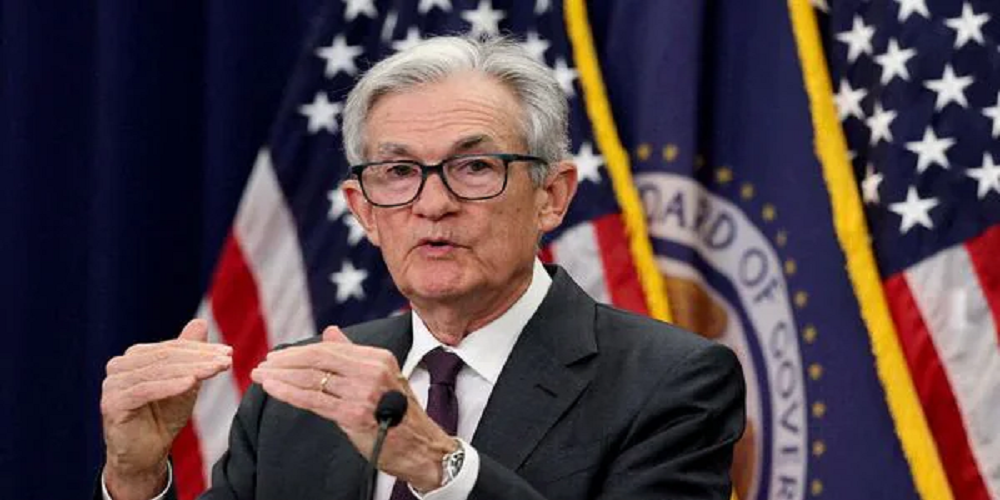
The term “Fed rate cuts” is one of the most discussed topics in financial news, especially during times of economic uncertainty or slow growth. The Federal Reserve, often called “the Fed,” plays a crucial role in shaping the U.S. economy by controlling interest rates. When the Fed decides to cut rates, it sends ripple effects across global financial markets, influencing everything from mortgages to stock prices.
This article explores what Fed rate cuts are, how they work, why they happen, and how they affect businesses, consumers, and investors.
What Are Fed Rate Cuts?
A Fed rate cut refers to a reduction in the federal funds rate, which is the interest rate at which banks lend money to each other overnight. This rate serves as a benchmark for many other interest rates in the economy, including those on credit cards, loans, and savings accounts.
The Federal Reserve sets this rate through its Federal Open Market Committee (FOMC), which meets eight times a year to assess the economic situation and decide whether to raise, lower, or maintain rates.
When the Fed cuts rates, it essentially makes borrowing cheaper and saving less rewarding, aiming to stimulate economic growth by encouraging spending and investment.
Why Does the Fed Cut Interest Rates?
The Federal Reserve’s primary goals are to ensure maximum employment, maintain stable prices, and promote moderate long-term interest rates.
Here are the main reasons why the Fed may decide to cut rates:
- To Stimulate Economic Growth:
When the economy slows down, consumers and businesses spend less. Lowering interest rates encourages borrowing and investment, helping to boost demand and economic activity. - To Combat Recession:
During recessions, the Fed uses rate cuts as a tool to make credit more accessible, support businesses, and prevent further economic decline. - To Support Financial Markets:
Falling stock prices or tightening credit conditions can threaten economic stability. Rate cuts often restore investor confidence and support market recovery. - To Control Deflation:
Deflation, or falling prices, can harm the economy by discouraging spending. Lower rates help increase demand and push prices back up to a healthy level. - To Offset Global Economic Risks:
International events, such as trade tensions or geopolitical instability, can slow global growth. The Fed may cut rates preemptively to cushion the U.S. economy.
How Do Fed Rate Cuts Work?
The process of a Fed rate cut begins with the FOMC meeting, where members review economic data, inflation trends, employment numbers, and global conditions. If they believe the economy needs a boost, they vote to reduce the target range for the federal funds rate.
Once the rate is cut:
- Banks can borrow at lower costs from one another.
- Consumers and businesses get cheaper loans for mortgages, car financing, and business expansion.
- Investors shift money from low-yield savings accounts to stocks and bonds for better returns.
This cycle promotes more spending, investment, and economic activity, which ideally leads to higher employment and steady inflation.
Historical Examples of Fed Rate Cuts
Understanding past rate cuts helps illustrate their impact:
- 2008 Global Financial Crisis:
During the financial meltdown, the Fed slashed rates from over 5% to nearly zero to stabilize the economy. This aggressive action helped prevent a deeper depression but also led to years of ultra-low interest rates. - COVID-19 Pandemic (2020):
In early 2020, the Fed cut rates rapidly to near zero as the pandemic disrupted global markets. The move helped support businesses and individuals during lockdowns and set the stage for a strong recovery in 2021. - Early 2000s Recession:
Following the dot-com bubble burst, the Fed cut rates multiple times to encourage economic recovery. - Potential 2025 Rate Cuts:
With inflation cooling and growth slowing, economists expect the Fed might reduce rates again to prevent an economic slowdown.
Impact of Fed Rate Cuts on the Economy
1. Borrowing Becomes Cheaper
When the Fed cuts rates, the cost of borrowing declines. This benefits consumers taking out mortgages, car loans, or personal loans. Businesses also find it easier to finance new projects or expand operations.
2. Spending Increases
Cheaper loans and lower savings returns encourage people to spend more instead of saving. Increased spending drives business revenues and stimulates job creation.
3. Stock Market Boost
Rate cuts often lead to stock market rallies. Investors tend to move money from low-yield bonds to equities, expecting higher returns. Companies benefit from lower borrowing costs, boosting profits and share prices.
4. Currency Depreciation
Lower interest rates can make the U.S. dollar less attractive to foreign investors, leading to a weaker dollar. This benefits exporters, as U.S. goods become cheaper abroad.
5. Real Estate Growth
Mortgage rates tend to fall after Fed cuts, encouraging homebuyers and boosting real estate markets. However, if rates stay too low for too long, it can create asset bubbles.
6. Inflationary Pressure
While rate cuts help stimulate growth, too much liquidity can eventually lead to higher inflation. The Fed must strike a balance between supporting growth and maintaining price stability.
Who Benefits from Fed Rate Cuts?
- Borrowers:
Individuals and companies looking for loans benefit the most. Lower interest rates reduce monthly payments and make borrowing more affordable. - Investors:
Stock market investors often gain from rate cuts as equities tend to rise in response to cheaper credit and higher corporate profits. - Homebuyers:
Mortgage rates usually drop when the Fed cuts rates, allowing buyers to secure loans at better terms. - Businesses:
Small and medium-sized businesses can access cheaper credit for expansion, innovation, or hiring.
Who Loses from Fed Rate Cuts?
- Savers:
People relying on interest income from savings accounts or fixed deposits earn less when rates fall. - Banks:
Although lending increases, profit margins on loans may narrow due to lower interest spreads. - Retirees:
Those depending on fixed-income investments may face reduced earnings from bonds or savings instruments. - Foreign Investors:
A weaker dollar and lower U.S. returns can push international investors to seek better yields elsewhere.
How Rate Cuts Affect Inflation
The relationship between rate cuts and inflation is complex. In the short term, rate cuts boost economic activity, which can help fight deflation. However, if the economy overheats, demand may rise faster than supply, leading to inflationary pressures.
The Fed closely monitors inflation through indicators like the Consumer Price Index (CPI) and Personal Consumption Expenditures (PCE). If inflation rises too high, the Fed may reverse course and raise rates again to cool the economy.
Fed Rate Cuts vs. Quantitative Easing
Though both are monetary policy tools, they function differently:
- Rate Cuts: Lower the cost of borrowing by reducing the federal funds rate.
- Quantitative Easing (QE): Involves purchasing long-term securities to inject liquidity into the economy when rates are already near zero.
Both aim to promote growth but are used under different economic conditions.
Global Effects of Fed Rate Cuts
Because the U.S. dollar is the world’s reserve currency, Fed policies have worldwide implications.
- Emerging Markets:
Lower U.S. rates can attract investment into emerging markets as investors seek higher returns abroad. - Global Currencies:
Rate cuts often weaken the dollar, which can strengthen other currencies and affect global trade balances. - Commodity Prices:
Cheaper borrowing and a weaker dollar can lift prices of commodities like oil and gold, as they become more attractive to investors - Foreign Debt:
Countries with dollar-denominated debt may find relief when the dollar weakens, reducing repayment costs.
Potential Risks of Fed Rate Cuts
While beneficial in the short term, frequent or excessive rate cuts come with downsides:
- Asset Bubbles:
Low rates can encourage excessive borrowing and speculative investments, inflating asset prices. - Higher Inflation:
Prolonged cheap money can cause demand-pull inflation, making goods and services more expensive. - Reduced Policy Flexibility:
Once rates are near zero, the Fed has fewer tools left to stimulate the economy if another crisis hits. - Income Inequality:
Wealthier individuals tend to benefit more from rising stock markets, while savers and retirees may struggle.
Signs That the Fed Might Cut Rates
Investors and analysts often look for signals that rate cuts are coming. Common indicators include:
- Slowing GDP growth
- Rising unemployment
- Declining consumer spending
- Falling inflation
- Market instability
Public statements from Fed officials also offer hints about upcoming policy decisions.
How Investors Can Prepare for Fed Rate Cuts
- Diversify Investments:
Balancing between equities, bonds, and alternative assets helps manage risk during policy changes. - Consider Growth Stocks:
Rate cuts often boost companies with strong growth potential, as they can expand more cheaply. - Refinance Loans:
Homeowners and businesses can refinance existing loans at lower rates to save money. - Avoid Overleveraging:
While low rates make borrowing tempting, overextending can lead to problems when rates eventually rise again.
The Future Outlook for Fed Policy
As of 2025, the U.S. economy faces challenges from moderate inflation, slowing job growth, and geopolitical uncertainties. Many analysts expect the Fed to consider rate cuts in upcoming meetings to sustain growth. However, the decision will depend heavily on inflation data and consumer spending trends.
The Fed’s challenge remains balancing growth and inflation. A premature or excessive rate cut could reignite inflation, while keeping rates high for too long may risk a recession.
Conclusion
Fed rate cuts are among the most powerful tools in economic policy. They influence every corner of the economy—from Wall Street to Main Street. By lowering borrowing costs, they encourage spending, investment, and growth. However, these benefits come with risks, such as inflation and asset bubbles, which the Fed must carefully manage.
For consumers and investors, understanding how and why the Fed adjusts rates is crucial for making informed financial decisions. Whether it’s refinancing a loan, buying a home, or adjusting an investment portfolio, Fed rate cuts shape the broader economic landscape that affects everyone.
FAQs
Q1. What is a Fed rate cut?
A Fed rate cut is when the Federal Reserve lowers the federal funds rate, making it cheaper for banks to borrow and lend money, which stimulates economic activity.
Q2. How do Fed rate cuts affect inflation?
Rate cuts can increase inflation if they lead to excessive spending and demand. However, they can also prevent deflation when economic growth is weak.
Q3. How often does the Fed cut rates?
The Fed reviews rates eight times a year, but cuts occur only when economic conditions justify them, such as during recessions or slow growth periods.
Q4. Do Fed rate cuts lower mortgage rates?
Yes. Mortgage rates typically fall after Fed rate cuts, though the exact impact depends on the bond market and lender conditions.
Q5. How do Fed rate cuts affect the stock market?
They generally boost stock prices, as lower borrowing costs increase business profitability and attract investors to equities instead of bonds.
Q6. What happens if the Fed cuts rates too much?
Excessive cuts can lead to inflation, asset bubbles, and reduced future policy flexibility.
Q7. Who benefits the most from rate cuts?
Borrowers, homebuyers, and investors usually gain the most from lower rates, while savers and retirees may earn less on their deposits.
Q8. What signals a potential Fed rate cut?
Signs include slowing economic growth, rising unemployment, or weakening inflation—conditions suggesting the economy needs stimulus.
Leave A Comment
0 Comment