
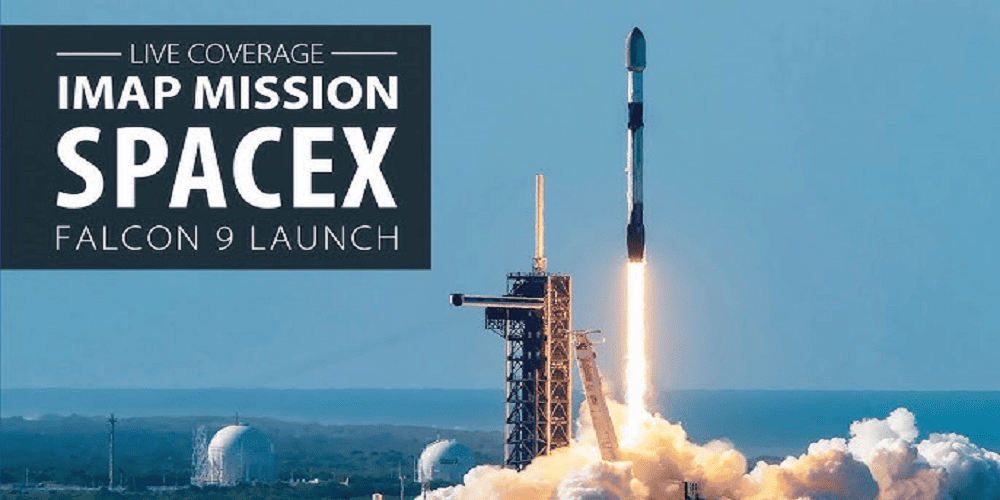
On Sunday, September 28, 2025, SpaceX achieved another milestone in its mission to expand global internet connectivity. A Falcon 9 rocket launched from Vandenberg Space Force Base in California, deploying 28 satellites into low Earth orbit as part of the Starlink Group 11-20 mission Spaceflight Now.
Mission Overview
The Falcon 9 rocket lifted off from Space Launch Complex 4E at Vandenberg Space Force Base, carrying 28 Starlink satellites. These satellites are designed to enhance SpaceX's Starlink constellation, aiming to provide high-speed, low-latency internet access across the globe, particularly in underserved and remote areas.
The launch marked the 28th flight of Falcon 9 booster B1063, underscoring SpaceX's advancements in reusable rocket technology. The booster successfully landed on the drone ship "Of Course I Still Love You" stationed in the Pacific Ocean, approximately eight minutes after liftoff The Times of India.
Significance of the Launch
This mission is part of SpaceX's broader strategy to deploy a vast network of satellites to provide global broadband coverage. With the successful deployment of these 28 satellites, the Starlink constellation now exceeds 8,500 active satellites, reinforcing SpaceX's position as a leader in satellite internet services The Times of India.
The successful landing of the Falcon 9 booster further demonstrates the company's commitment to reducing launch costs through reusability. Each successful landing not only saves resources but also accelerates the pace of future missions.
Observations and Public Reception
Residents across Southern California and neighboring regions witnessed the launch, with many describing the event as a spectacular display in the evening sky. The bright plume from the Falcon 9 rocket illuminated the horizon, drawing attention and sparking conversations about the advancements in space technology.
In Arizona, the launch was visible as a bright streak across the sky, prompting inquiries from the public about the source of the light. Local news outlets provided information, clarifying that it was the SpaceX launch from California 12 News.
Looking Ahead
SpaceX's next scheduled launch is set for October 1, 2025, from Cape Canaveral Space Force Station in Florida. The mission will deploy 28 Starlink V2 Mini satellites into low Earth orbit. The Falcon 9 rocket's first-stage booster, tail number B1090, is slated to land on the drone ship "Just Read the Instructions" positioned in the Atlantic Ocean Spaceflight Now.
These continuous launches are part of SpaceX's efforts to enhance global internet coverage, particularly in remote and underserved areas. The company's ambitious plans include the deployment of thousands of satellites in the coming years to achieve near-global broadband coverage.
Frequently Asked Questions (FAQs)
1. What is the purpose of the Starlink satellites launched by SpaceX?
The Starlink satellites are part of SpaceX's initiative to provide high-speed, low-latency internet access globally, especially in remote and underserved regions.
2. How many satellites are currently in the Starlink constellation?
As of September 2025, the Starlink constellation comprises over 8,500 active satellites, with plans for further expansion.
3. What is the significance of the Falcon 9 booster landings?
The successful landing of Falcon 9 boosters demonstrates SpaceX's advancements in reusable rocket technology, reducing launch costs and increasing mission frequency.
4. Where can I watch SpaceX launches live?
SpaceX broadcasts its launches live on its official website and social media platforms. Additionally, other spaceflight tracking websites provide live streams and updates.
5. When is the next SpaceX launch scheduled?
The next SpaceX launch is scheduled for October 1, 2025, from Cape Canaveral Space Force Station in Florida, deploying 28 Starlink V2 Mini satellites into low Earth orbit.
Leave A Comment
0 Comment