
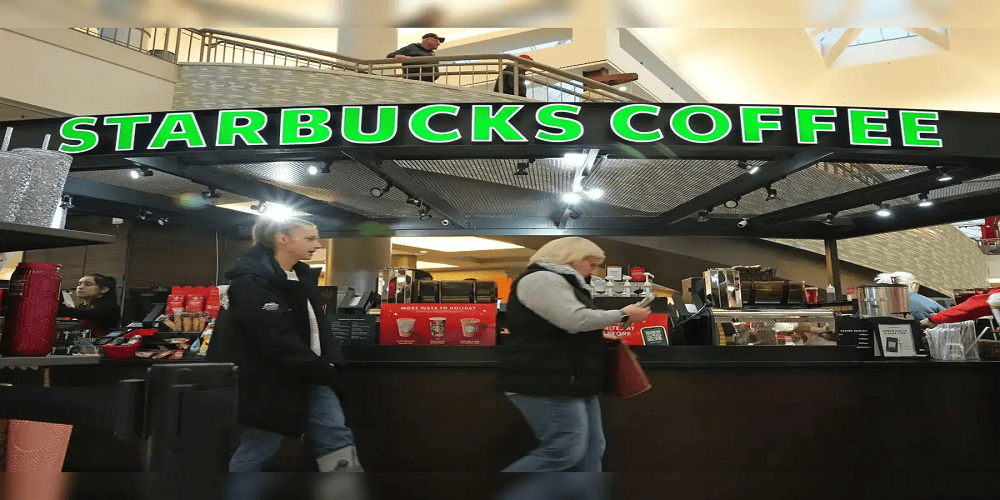
The phrase “Starbucks stores closing” tends to grab attention whenever it appears in the news or on social media. For millions of coffee lovers around the world, Starbucks is more than just a café – it’s part of their daily routine, a workspace away from home, and even a social hub. So, when reports surface that certain Starbucks locations are shutting down, it sparks curiosity, concern, and speculation. Is Starbucks struggling as a company? Are store closures temporary or permanent? What does this mean for employees, customers, and the coffee industry as a whole?
In this comprehensive guide, we will dive deep into the reasons behind Starbucks stores closing, the broader context of retail and food service changes, and what the future might hold for the world’s most famous coffee chain.
The Scale of Starbucks’ Global Presence
Starbucks operates over 38,000 stores worldwide as of 2025, making it the largest coffeehouse chain globally. Its footprint spans North America, Europe, Asia, and several other regions. With such a massive network of locations, it is normal for the company to constantly evaluate performance and occasionally close underperforming or redundant stores.
However, the term “Starbucks stores closing” often appears in headlines during major restructuring phases, when the company announces dozens or even hundreds of closures within a short time frame. While these announcements may seem alarming, they usually form part of a larger strategic plan to optimize operations and improve profitability.
Why Starbucks Stores Are Closing
There are multiple reasons why Starbucks might close some of its locations. These range from financial considerations to social changes. Here are the main factors:
1. Shifting Consumer Habits
Consumer behavior has evolved dramatically in the last decade, especially since the COVID-19 pandemic. More people now prefer mobile ordering, drive-thru service, and delivery options. Starbucks has noticed this shift and has been focusing on creating more “to-go” stores and pickup-only formats. This means that some traditional café-style locations may no longer fit the company’s strategy.
2. High Operating Costs
Rent, utilities, and labor costs are major expenses for coffee shops. In cities where real estate costs are soaring, some Starbucks stores struggle to stay profitable. Rather than operate at a loss, the company sometimes decides to close these outlets and redirect customers to nearby stores.
3. Crime and Safety Concerns
In some urban areas, Starbucks has closed stores citing concerns for employee and customer safety. Incidents of theft, vandalism, or drug-related activities inside or near certain stores have led the company to shut them down. Starbucks has emphasized that employee well-being is a priority, and closing locations in unsafe areas can be a necessary step.
4. Corporate Restructuring
Starbucks regularly reviews its portfolio of locations as part of its global strategy. This sometimes results in a wave of closures to eliminate redundant stores in close proximity to one another. In many cases, the company opens new stores in better-performing areas to balance the closures.
5. Economic Slowdowns
During periods of economic uncertainty, consumers cut back on discretionary spending, and premium coffee purchases can decline. Starbucks may respond by closing stores that see a significant drop in traffic during these times.
6. Focus on Innovation
The company has been innovating with new formats, including drive-thru-only stores, pick-up counters in urban centers, and partnerships with delivery apps. Closing older, underperforming stores allows Starbucks to invest more in these modern formats.
High-Profile Starbucks Closures
Over the past few years, several waves of closures have made headlines.
- 2020 Pandemic Restructuring – Starbucks announced it would close up to 400 stores in North America as part of its “Transformation Plan,” focusing on new store formats such as pick-up-only locations.
- Safety-Related Closures in 2022 – The company shut down several stores in cities like Seattle, Portland, Philadelphia, and Washington D.C. citing worker safety concerns.
- International Market Adjustments – In markets where Starbucks has a smaller presence, such as certain parts of Europe, the company has occasionally exited or reduced operations due to lack of profitability.
Each round of closures tends to generate public debate. Some view it as a sign of corporate decline, while others see it as a normal business practice to remain efficient.
Impact on Employees
When Starbucks stores close, employees – known as “partners” – are often given the opportunity to transfer to nearby locations. Starbucks is known for offering its workers benefits such as health insurance, tuition assistance, and stock options, and it generally seeks to retain as many employees as possible.
However, not every partner can or wishes to transfer, especially if the next-closest store is far away. In such cases, layoffs may occur, though Starbucks typically provides severance pay.
Impact on Customers
For customers, store closures can be frustrating, especially if a favorite neighborhood Starbucks shuts down. But in many cases, another Starbucks is located just a few blocks away. The company’s app helps redirect customers to the nearest available store.
Starbucks also encourages customers to use mobile ordering and drive-thru options where available, which aligns with its new strategy.
Economic and Cultural Implications
Starbucks is more than a coffee chain – it plays a role in urban culture. Store closures can affect foot traffic in certain neighborhoods, especially where the local Starbucks was a popular community gathering spot.
On the flip side, closures can sometimes create opportunities for local coffee shops to thrive, filling the gap left by Starbucks.
Starbucks’ Future Strategy
Despite the headlines about closures, Starbucks continues to grow globally. The company has been opening new stores in Asia, particularly in China and India, where coffee culture is rapidly expanding.
Starbucks has also invested heavily in technology, including AI-driven inventory management, a more personalized loyalty program, and new menu innovations. Its focus is on adapting to changing consumer preferences rather than simply maintaining the status quo.
Starbucks Stores Closing – What It Really Means
When you hear that Starbucks stores are closing, it does not necessarily mean the company is in trouble. In most cases, it is a sign of business realignment. Like any major corporation, Starbucks constantly analyzes market data to determine which locations are profitable and which are not.
Instead of thinking of closures as a loss, they can often be seen as a step toward a more efficient and future-ready business model.
FAQs on Starbucks Stores Closing
Q1. Is Starbucks going out of business?
No, Starbucks is not going out of business. The company is financially strong and continues to expand globally. Store closures are part of its ongoing strategy to optimize its network and adapt to consumer trends.
Q2. Why does Starbucks close so many stores at once?
When Starbucks announces a large number of closures, it is usually part of a restructuring plan. Rather than close stores one by one over time, the company often makes changes in batches to quickly align operations with its goals.
Q3. Will Starbucks open new stores after closing some?
Yes. Starbucks often closes some stores while simultaneously opening others in better-performing locations. This is especially true in growing markets like Asia.
Q4. What happens to Starbucks employees when a store closes?
Most employees are offered the chance to transfer to nearby locations. If a transfer is not possible, Starbucks typically provides severance pay.
Q5. How do I find out if my local Starbucks is closing?
The best way to find out is to check the Starbucks app or ask store employees directly. The company also occasionally posts press releases about major closures.
Q6. Are store closures due to poor sales?
Not always. Some closures are due to shifting business strategies, safety concerns, or market changes rather than poor performance.
Q7. Will Starbucks prices increase because of store closures?
Store closures themselves do not usually cause price increases. Prices may rise due to inflation or other cost pressures, but not specifically because a store has closed.
Q8. Are international Starbucks stores affected by closures in the U.S.?
Not necessarily. Closures in one country do not directly impact operations in another country. Each market is evaluated separately.
Q9. Is Starbucks still profitable despite closures?
Yes, Starbucks remains profitable and continues to report strong earnings in most quarters. Closures are generally done to improve profitability further.
Q10. Does Starbucks close stores permanently or temporarily?
It depends on the reason. Some closures are permanent, especially when a location is unprofitable. Others may be temporary due to renovations or safety upgrades.
Leave A Comment
0 Comment