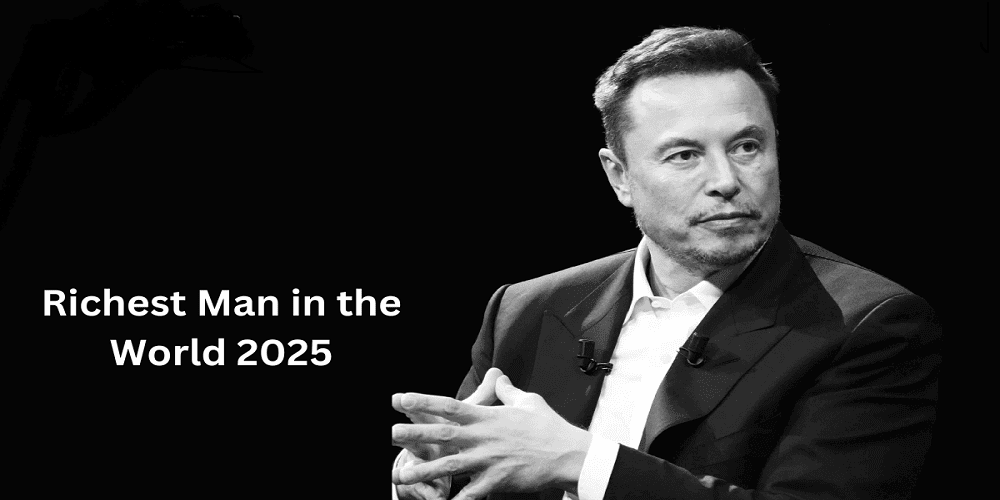
Wealth has always fascinated people. From ancient kings who amassed treasures of gold and jewels to today’s tech billionaires who accumulate fortunes through innovation, the world has long been captivated by the question: “Who is the richest man in the world?” The answer isn’t static. Markets fluctuate, business empires rise and fall, and new industries emerge. The crown of the world’s richest person shifts hands between titans of technology, retail, luxury, and energy. This article provides a comprehensive 3000-word exploration into the history, present, and future of global wealth. Unlike royal titles or political power, being the richest man in the world isn’t permanent. Stock market performance, company valuations, acquisitions, and global economic trends all influence personal wealth. For example: Elon Musk (Tesla, SpaceX, X) and Bernard Arnault (LVMH) have swapped places multiple times in recent years. Jeff Bezos (Amazon) dominated the spot for several years before Musk overtook him. The rise of Indian billionaire Gautam Adani briefly reshaped the global wealth rankings. Stock Prices: A billionaire’s net worth is often tied to company shares. A 5% drop in Tesla’s stock price can wipe billions from Musk’s fortune. Currency Fluctuations: Since wealth is tracked globally, dollar strength impacts rankings. Mergers & Acquisitions: Selling shares or buying new companies shifts valuations. Global Crises: Pandemics, wars, and inflation affect business performance. Fortune Source: Tesla, SpaceX, Neuralink, X (formerly Twitter) Notable Achievements: Revolutionized electric vehicles, pioneered reusable rockets, owns one of the world’s most influential social platforms. Wealth Drivers: Tesla’s stock price, SpaceX’s valuation, global expansion in renewable energy. Fortune Source: LVMH (Louis Vuitton Moët Hennessy) Empire: Luxury brands like Dior, Louis Vuitton, Tiffany & Co., Sephora. Unique Factor: Wealth rooted in luxury fashion and consumer lifestyle rather than technology. Fortune Source: Amazon Influence: Transformed global e-commerce and cloud computing (AWS). Shift in Wealth: After stepping down as CEO and post-divorce settlement, Bezos’s fortune fluctuates but keeps him near the top. Fortune Source: Infrastructure, energy, logistics, ports. Significance: Symbol of India’s growing economic power. Challenges: Faced controversies and stock market volatility that impacted net worth. John D. Rockefeller: America’s oil magnate, often considered the first billionaire. Adjusted for inflation, his fortune would surpass today’s billionaires. Andrew Carnegie: Steel baron, symbol of industrial-era wealth. Cornelius Vanderbilt: Built wealth from railroads and shipping. Bill Gates: Microsoft co-founder, dominated wealth rankings in the late 1990s and early 2000s. Warren Buffett: The “Oracle of Omaha,” renowned for value investing. Carlos Slim Helú: Mexican business magnate who ruled global wealth lists during the 2010s. The last two decades saw a tech-driven shift: Amazon, Tesla, Google, and Meta created fortunes exceeding traditional industries. Tech’s scalability and global reach allowed billionaires to accumulate wealth faster than ever before. Most billionaires redefined industries: Musk with EVs and space exploration. Bezos with e-commerce and cloud computing. Arnault with luxury brand consolidation. The richest often dominate industries: Amazon in online shopping. LVMH in luxury. Tesla in electric vehicles. Buffett’s Berkshire Hathaway thrives on long-term investing. Billionaires diversify into real estate, startups, and stock holdings. Some inherit fortunes but multiply them: Walton family (Walmart). Ambani family (Reliance Industries). Billionaires create jobs, shape industries, and influence markets. A tweet from Elon Musk can move stock prices and cryptocurrencies. Arnault shapes global fashion trends and consumer culture. Wealth often translates into political influence: Donations to campaigns. Lobbying for favorable policies. Influence on climate, taxation, and innovation policies. Bill Gates & Melinda Gates Foundation: Billions donated to global health and education. Musk’s Pledges: Donations for renewable energy and space research. Bezos Earth Fund: Climate change initiatives. Tech Entrepreneurs: AI, biotech, and clean energy innovators. Indian and Asian Billionaires: With rapid economic growth, Asia could produce more top global billionaires. Crypto Tycoons: If digital assets stabilize, crypto leaders could re-enter wealth rankings. Sustainability: Green energy billionaires may dominate. Digital Economy: AI-driven businesses could create trillion-dollar fortunes. Emerging Markets: Africa, India, and Southeast Asia may produce new billionaires. Q1. Who is the richest man in the world right now? Q2. Has anyone in history been richer than today’s billionaires? Q3. How is net worth calculated for billionaires? Q4. Who was the first billionaire in the world? Q5. Will Elon Musk stay the richest man in the world? Q6. Do billionaires pay taxes like normal people? Q7. Which industries create the most billionaires? Q8. Can someone from a middle-class background become the richest in the world? Q9. Who is the richest woman in the world? Q10. How many billionaires exist worldwide? The race for the title of “richest man in the world” is more than a number. It represents global economic shifts, technological revolutions, and cultural transformations. From Rockefeller’s oil empire to Musk’s space ventures, each richest man reflects the spirit of their era.The Ever-Changing Title of “Richest Man in the World”
A Fluid Position
Why Wealth Rankings Change
Current Richest Men in the World
Elon Musk
Bernard Arnault
Jeff Bezos
Gautam Adani
Cluster 3: The History of the World’s Richest People
Early Industrial Titans
20th-Century Giants
Modern Tech Billionaires
How Billionaires Build Their Wealth
Innovation
Monopoly & Scale
Investments
Family Wealth
The Influence of the Richest Man in the World
Economic Impact
Political Power
Philanthropy
The Future of Global Wealth
Who Could Be Next?
Global Trends
FAQs About the Richest Man in the World
As of 2025, the title frequently alternates between Elon Musk and Bernard Arnault, depending on market fluctuations.
Yes. Adjusted for inflation, John D. Rockefeller’s wealth exceeded $400 billion, far greater than modern billionaires.
It includes stock holdings, company valuations, assets, cash, and sometimes debt. Most of it is tied to equity value.
John D. Rockefeller became the world’s first billionaire in 1916.
Not necessarily. Wealth rankings change frequently due to stock prices, new business ventures, and economic conditions.
Yes, but their effective tax rates are often lower due to complex financial strategies, deductions, and investments.
Technology, retail, luxury goods, and finance dominate billionaire wealth.
Yes. Many billionaires like Elon Musk, Jeff Bezos, and Larry Ellison started without massive inherited wealth.
As of recent years, Francoise Bettencourt Meyers (heiress to L’Oréal) holds that title.
Over 2,600 billionaires are reported globally, with a combined wealth of more than $12 trillion.Conclusion

Leave A Comment
0 Comment