
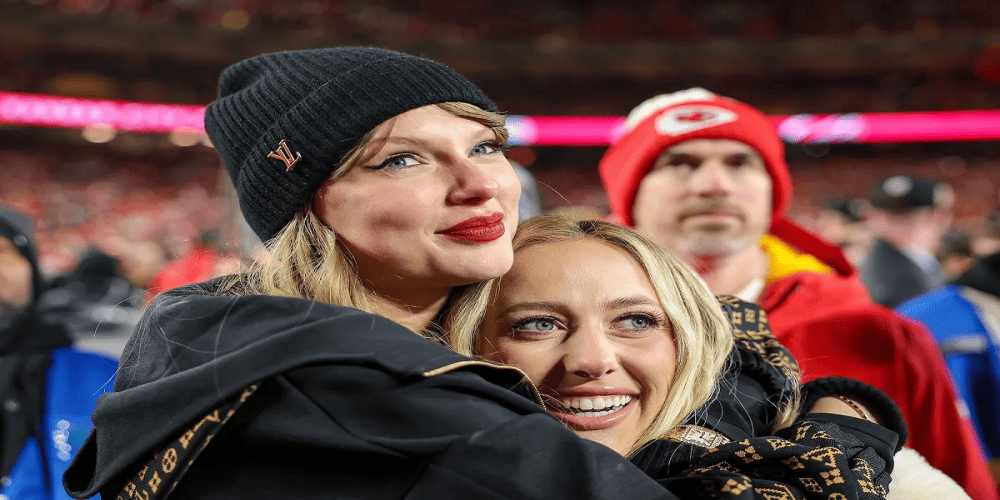
Taylor Swift is one of the most talked-about artists of her generation, not only for her music but also for her cultural presence. Over the years, she has been praised, criticized, celebrated, and at times, even “cancelled.” The phrase “cancelled lyrics Taylor Swift” has gained traction online as fans and critics alike dissect her songs to uncover lines that might be controversial, misunderstood, or reflective of cultural issues.
This comprehensive article explores what people mean when they say “cancelled lyrics” in relation to Taylor Swift, the controversies she has faced, how her lyrics have been interpreted in various ways, and why cancel culture continues to orbit around her artistry.
What Does “Cancelled Lyrics Taylor Swift” Mean?
The phrase generally refers to lyrics from Taylor Swift’s songs that have been criticized as problematic, offensive, or outdated by some groups of listeners. In today’s digital world, where every word is magnified, Swift’s lyrics are often scrutinized under the lens of cultural sensitivity, feminism, race, gender roles, and celebrity feuds.
“Cancelled” in this context does not mean her career has ended. Instead, it means certain lyrics are publicly called out or rejected by some audiences, often sparking online debates. Swift has experienced this cycle multiple times in her career, but instead of fading, she has often emerged stronger.
Early Career and Innocent Controversies
When Taylor Swift debuted in the mid-2000s, she was primarily known as a teenage country singer writing about heartbreak and young love. While her early lyrics were relatively safe, some were still criticized. For instance:
- Her portrayal of rivals or “other girls” in early tracks sometimes leaned into stereotypical comparisons.
- Some critics accused her of reinforcing “pick-me girl” tropes where she positioned herself as better than another woman because she was “different.”
Though mild by today’s standards, these lyrics have occasionally been highlighted as examples of how even well-intentioned writing can age differently with cultural shifts.
The Pop Transition and Sharper Criticism
As Swift transitioned to mainstream pop with albums like Red (2012) and 1989 (2014), her lyrics reached a broader audience. With fame came more criticism. Lines that may have gone unnoticed in a niche country fanbase were suddenly under global discussion.
- Relationship songs: Taylor often wrote about ex-boyfriends, which led to accusations that she was portraying men unfairly or capitalizing on personal drama. While many fans celebrated her authenticity, others dismissed her work as immature.
- Cultural stereotypes: Some lyrics, particularly from this era, have been revisited by critics who argue they relied on clichés that don’t hold up today.
This era marked the beginning of Taylor Swift being placed under a microscope not just as a musician but as a cultural figure whose words could influence millions.
Reputation Era and the “Cancelled” Narrative
With the release of Reputation (2017), Taylor leaned into the idea of being “cancelled.” Following public feuds and online backlash, particularly the highly publicized fallout with other celebrities, Swift faced widespread internet hostility.
Instead of retreating, she used her lyrics to reclaim her narrative. Songs from this album contain lines about revenge, false images, and rebirth. While not “cancelled” in the traditional sense, the lyrics themselves were labeled by some as aggressive or defensive.
For example, critics debated whether certain lines were empowering or unnecessarily vengeful. Yet many fans saw them as Swift’s most honest reflections of being villainized by the media.
Political Awakening and New Interpretations
For much of her early career, Swift was criticized for remaining silent on political issues. This changed with Lover (2019), where songs and visuals made more direct statements about inclusivity, equality, and LGBTQ+ rights.
However, even with this shift, some lyrics have faced criticism:
- Lines meant to be supportive have been accused of being oversimplified or performative.
- Others argue that Swift should have spoken out earlier, so even positive messages were met with skepticism.
This highlights the paradox of celebrity activism—where speaking up too late can lead to as much critique as remaining silent.
Folklore, Evermore, and Lyric Evolution
With Folklore (2020) and Evermore (2020), Taylor Swift turned toward indie-folk storytelling. These albums were less autobiographical and more character-driven, reducing the controversies around her lyrics. However, certain songs sparked debates about historical representation, fiction versus reality, and appropriation of narratives.
While not as prominently “cancelled,” they showed that even when Swift stepped back from personal drama, discussions about responsibility in songwriting continued.
Why Taylor Swift Lyrics Get “Cancelled”
- Global Fame – Anything she says is amplified to millions.
- Autobiographical Style – Fans and media often connect lyrics directly to real people and events.
- Cultural Shifts – What was acceptable in 2008 might be criticized in 2025.
- Feuds and Media Narratives – Lyrics tied to celebrity disputes get extra attention.
- Online Culture – Social media thrives on debates, magnifying even small controversies.
Fan Defense vs. Public Criticism
Interestingly, while some groups criticize her lyrics, Swift’s fan base (Swifties) often rally to defend her. This tension creates ongoing conversations where the same lyric might be hailed as genius by one person and dismissed as problematic by another.
For example:
- A breakup song might be seen as empowering for giving voice to women’s emotions.
- The same song might be criticized as repetitive or unfairly targeting an ex.
This duality is part of why “cancelled lyrics Taylor Swift” remains a trending phrase—it reflects ongoing debates rather than a fixed truth.
Cancel Culture and Taylor Swift
The concept of cancel culture itself is divisive. Some argue it holds celebrities accountable, while others say it unfairly punishes artists for mistakes or changing cultural norms.
Taylor Swift’s journey shows how cancel culture is not always career-ending. In fact, she has used backlash to fuel reinvention. Each time she was supposedly “cancelled,” she returned with stronger sales, bigger tours, and more influence.
Her ability to adapt—whether by re-recording her albums (Taylor’s Version) or shifting genres—demonstrates resilience that outpaces cancellation attempts.
The Role of Social Media
Platforms like Twitter, TikTok, and Instagram amplify discussions about Swift’s lyrics. Memes, fan theories, and viral posts often take one line and spin it into a broader cultural debate.
This democratization of critique means that even casual listeners can shape the narrative around her songs. While this fuels controversy, it also keeps Swift’s lyrics relevant and constantly reinterpreted.
Lessons from “Cancelled Lyrics Taylor Swift”
- Artists Evolve – Lyrics reflect a time and mindset. Judging older songs by today’s standards must include context.
- Criticism Can Be Growth – Swift has acknowledged evolving perspectives in her music, showing awareness of past missteps.
- Cultural Dialogue – Controversial lyrics spark conversations about gender, fame, and accountability.
- Enduring Popularity – Despite controversies, Swift’s career continues to thrive, proving that cancellation is often temporary.
The Broader Impact
The phrase “cancelled lyrics Taylor Swift” goes beyond her individual career. It reflects how society negotiates art and accountability. It raises questions like:
- Should artists be judged by their past words?
- How do cultural shifts change the way we interpret old songs?
- Can an artist redeem themselves through growth and change?
Swift’s journey suggests the answer is yes—artists can evolve, and fans can appreciate their music while still acknowledging imperfections.
Conclusion
Taylor Swift’s lyrics have been celebrated, criticized, and even labeled as “cancelled.” Yet, her career illustrates that cancellation is rarely permanent when paired with artistry, resilience, and reinvention.
Her ability to transform criticism into creative fuel makes her one of the most influential artists of the modern era. The phrase “cancelled lyrics Taylor Swift” is less about her downfall and more about the cultural conversations her work inspires.
Instead of silencing her, cancellation has amplified her voice, making her lyrics part of ongoing debates about art, responsibility, and growth.
FAQs
Q1: What are “cancelled lyrics” in the context of Taylor Swift?
They refer to specific lyrics that some critics or fans find problematic, outdated, or controversial, leading to public debate.
Q2: Has Taylor Swift ever been officially cancelled?
No. While she has faced online backlash and media criticism, her career has only grown stronger after such incidents.
Q3: Why do people criticize Taylor Swift’s lyrics?
Her lyrics are autobiographical and widely popular, making them subject to interpretation. Criticism often comes from cultural shifts, personal biases, or media narratives.
Q4: How does Taylor Swift respond to cancelled lyrics?
She often channels criticism into her music. For example, her Reputation album addressed media backlash directly. She also reclaims her narrative through re-recordings and artistic evolution.
Q5: Do cancelled lyrics affect her popularity?
Not significantly. Despite controversies, her albums consistently top charts, and her fan base continues to grow.
Q6: How do fans react to cancelled lyrics?
Swifties usually defend her, interpreting lyrics positively. However, fan discussions also acknowledge when lines feel outdated or problematic.
Q7: Can lyrics from early in her career still cause controversy today?
Yes. Cultural standards evolve, and older songs can be reinterpreted under new perspectives, leading to renewed debate.
Q8: Does cancel culture help or hurt artists like Taylor Swift?
It can temporarily hurt public image but also keeps artists relevant. In Taylor’s case, she often turns backlash into creative fuel, strengthening her brand.
Q9: Are Taylor Swift’s newer lyrics less controversial?
Generally, yes. Albums like Folklore and Evermore focus on storytelling rather than personal feuds, leading to fewer controversies.
Q10: Why is Taylor Swift still so successful despite controversies?
Her adaptability, connection with fans, and consistent musical evolution ensure her relevance. Cancellation has never stopped her; it often pushes her to innovate further.
Leave A Comment
0 Comment