
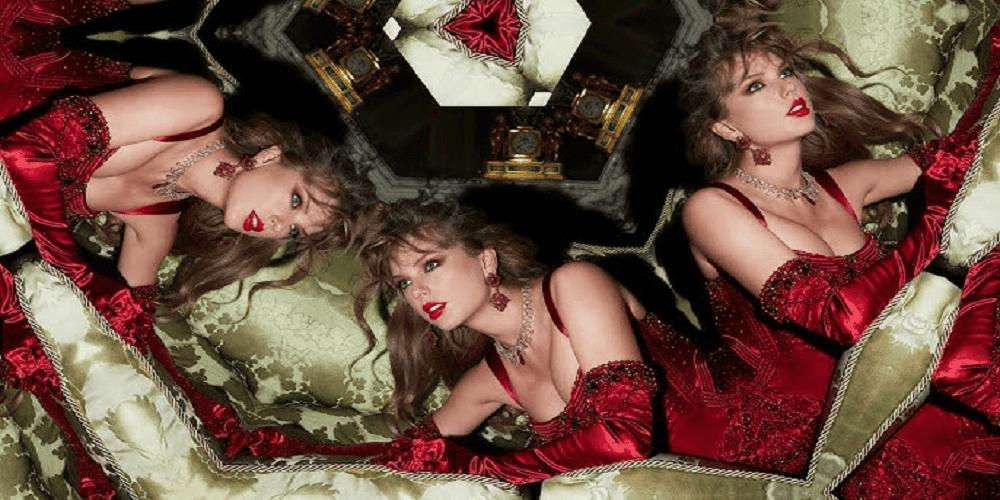
Taylor Swift is known not just for her music, but also for her gift of weaving stories, references, and literary echoes into her songs. Over the years, fans and critics alike have noted how her lyrics borrow from myth, literature, folklore, and history. Among the recurring names and symbols discussed in Swift-related discourse, one stands out: Ophelia. This connection, often referred to as “Ophelia Taylor Swift,” is not about a single direct reference but rather about the resonance between Swift’s writing style and the tragic yet poetic figure of Ophelia from Shakespeare’s Hamlet.
This article takes a deep dive into the relationship between Ophelia and Taylor Swift’s music. We’ll explore how Ophelia functions as a cultural symbol, why Swift’s lyrics often evoke Shakespearean drama, and what this connection reveals about Swift’s broader storytelling.
Who is Ophelia?
To understand the phrase “Ophelia Taylor Swift,” we first need to understand Ophelia herself. She is one of the central female characters in William Shakespeare’s Hamlet. Ophelia is often remembered as a tragic figure: a young woman caught in a web of loyalty, love, manipulation, and despair. Her story ends in drowning, a death that has become an enduring symbol of innocence lost and the fragility of the human condition.
Ophelia has long been an archetype in art, music, and literature. Painters like John Everett Millais captured her floating in the water, surrounded by flowers, creating one of the most iconic images of Romantic tragedy. Writers and poets have referred to her as the epitome of youthful suffering. Musicians across centuries have sung about her as a metaphor for heartbreak, madness, or resilience.
Thus, when fans say “Ophelia Taylor Swift,” they are often pointing to how Taylor Swift’s work echoes this archetype. Swift’s songs frequently tell stories of women navigating love, betrayal, heartbreak, and self-destruction—universal themes Ophelia embodies.
Taylor Swift and Literary Inspirations
Taylor Swift has always been a songwriter with a literary soul. From her early country ballads to her indie-folk Folklore and Evermore albums, she writes with the instincts of a novelist and the imagery of a poet. She has cited authors like F. Scott Fitzgerald, Emily Dickinson, and Shakespeare as inspirations.
Consider her album Folklore, released in 2020. It contains lyrics that sound like passages from classic novels: tragic love triangles, secret affairs, and characters shaped by yearning and fate. Fans noticed how these songs felt almost Shakespearean in scope, filled with doomed romances and vivid imagery.
Shakespeare’s Ophelia fits right into this landscape. Her tragedy resonates with Swift’s recurring themes: the loss of innocence (“Never grow up”), destructive relationships (“All Too Well”), betrayal (“Illicit Affairs”), and haunting aftermaths (“My Tears Ricochet”).
Swift does not need to name Ophelia directly; her storytelling conjures the spirit of Ophelia in its themes and emotional undercurrents.
Ophelia and Taylor Swift: The Parallels
So how exactly does Ophelia appear in Swift’s music and persona? Let’s break down the major parallels.
1. Themes of Innocence and Vulnerability
Ophelia is often seen as innocent, fragile, and vulnerable to manipulation. Similarly, in many of Swift’s earlier songs, she wrote from the perspective of a young woman navigating heartbreak for the first time. Songs like “White Horse” or “Teardrops on My Guitar” capture the raw vulnerability that mirrors Ophelia’s emotional fragility.
2. Heartbreak Leading to Despair
Ophelia’s descent into madness and eventual drowning is tied to heartbreak and betrayal. Swift’s lyrics frequently explore the depth of despair that heartbreak can cause. Tracks like “Last Kiss” or “All Too Well” paint pictures of devastation where the protagonist is left shattered by love. The echoes of Ophelia’s sadness are hard to miss.
3. Symbolism of Water and Drowning
Water is an important symbol in Ophelia’s story—her death is by drowning. Interestingly, Swift often uses water imagery in her songs: oceans, rivers, tides, and drowning metaphors. For example, “Clean” (from 1989) uses the metaphor of drowning and being washed clean as a way to describe heartbreak and recovery. The motif connects Swift’s writing to Ophelia’s iconic image.
4. A Woman Defined by Her Relationships
In Hamlet, Ophelia is caught between her loyalty to her father Polonius, her love for Hamlet, and her obedience to authority. This conflict destroys her. Swift has also written extensively about the pressures of being a woman defined by relationships—romantic, familial, or societal. Songs like “The Archer” or “Tolerate It” highlight this theme, where the narrator feels overshadowed or diminished.
5. Transformation of Tragedy into Art
Perhaps the most significant parallel is how both Ophelia and Taylor Swift become symbols beyond themselves. Ophelia represents feminine suffering in literature. Swift transforms her own heartbreak and struggles into art that resonates globally. Both stand as reminders of how women’s pain has historically been turned into stories that echo far beyond personal lives.
Fan Theories: Ophelia in Swift’s Songs
Swifties, known for their ability to decode hidden messages, have linked Ophelia directly to Swift’s music. Here are some notable fan theories:
- “Mad Woman” (Folklore) and Ophelia’s Madness
Fans connect the track “Mad Woman” to Ophelia’s descent into madness. The song explores the stigma of women being labeled as “crazy” when they express anger, a theme that parallels how Ophelia’s grief was dismissed as madness. - “Seven” (Folklore) and Innocence Lost
The nostalgic sadness in “Seven” is often seen as Ophelia-like in tone. It captures the purity of childhood before tragedy reshapes identity, similar to how Ophelia loses her innocence in the play. - “Tolerate It” (Evermore) and One-Sided Love
This track echoes Ophelia’s unreciprocated love for Hamlet. The narrator is overlooked and undervalued, echoing Ophelia’s tragic role as a woman whose love is dismissed. - “My Tears Ricochet” and Haunting Presence
Some fans link this song to Ophelia’s ghostly afterlife in cultural memory. Like Ophelia, the narrator of this song continues to haunt those who wronged her.
Symbolism of Ophelia in Music
The fascination with Ophelia extends far beyond Swift. Artists like The Lumineers wrote a song called “Ophelia” about temptation and downfall. In pop culture, Ophelia symbolizes women consumed by love, loss, and societal pressure.
What makes Taylor Swift special in this lineage is how she reshapes Ophelia’s fate. Where Shakespeare’s Ophelia drowns and disappears, Swift often rewrites the narrative. In her songs, pain becomes a source of empowerment. Tracks like “Shake It Off” or “Bejeweled” demonstrate that even after devastation, women can rise, shine, and reclaim their voices.
In this way, Swift acknowledges the tragedy of Ophelia while offering a modern counterpoint: survival, reinvention, and self-assertion.
Taylor Swift as a Modern Shakespearean Storyteller
Many critics have argued that Taylor Swift is the Shakespeare of modern pop music. While the comparison may sound dramatic, it holds weight. Both are masters of character-driven storytelling. Both explore universal human emotions—love, betrayal, jealousy, ambition—through poetic language.
Shakespeare used the stage; Swift uses the pop album. Yet the goals are the same: to move audiences, to reflect human truths, and to leave a lasting cultural impact.
In this sense, “Ophelia Taylor Swift” is more than just a phrase. It symbolizes how Swift embodies the timelessness of Shakespearean drama in her songs, keeping figures like Ophelia alive in modern imagination.
Wider Cultural Relevance
The link between Ophelia and Taylor Swift reveals something important about culture today. We live in a time where old archetypes resurface through new mediums. Swift’s music, with its literary references, introduces younger generations to timeless symbols like Ophelia.
For many fans, listening to Swift feels like reading a novel or watching a play. It bridges the gap between pop music and literature, proving that storytelling traditions never die—they just evolve.
Moreover, the phrase “Ophelia Taylor Swift” reflects the way fandoms build cultural connections. Swifties are not just listening passively; they are interpreting, decoding, and weaving their own meaning into her work. This collaborative storytelling between artist and audience ensures that symbols like Ophelia remain alive in new forms.
Conclusion
“Ophelia Taylor Swift” is more than a passing trend. It captures how a centuries-old literary figure continues to live on in the songs of a modern pop icon. The parallels between Ophelia’s story and Swift’s music illuminate themes of heartbreak, vulnerability, resilience, and empowerment.
Where Ophelia’s tragedy ended in silence, Swift gives her a new voice. By channeling similar emotions and archetypes into her lyrics, Swift ensures that Ophelia is not forgotten, but reimagined. For fans and critics alike, this connection highlights Swift’s unique position as a songwriter who bridges the worlds of literature and music.
In the end, the conversation about “Ophelia Taylor Swift” is not just about a single reference but about the timeless power of storytelling. It shows how art—whether Shakespeare’s plays or Swift’s albums—can echo across centuries, resonating with audiences who see themselves in both the tragic and the triumphant.
FAQs
1. Did Taylor Swift ever write a song directly about Ophelia?
No, Taylor Swift has not written a song that explicitly mentions Ophelia. However, her lyrics often echo themes associated with Ophelia—heartbreak, madness, water imagery, and feminine vulnerability.
2. Why do fans connect Ophelia to Taylor Swift’s music?
Fans draw the connection because Swift’s storytelling often mirrors Ophelia’s tragedy. Songs about betrayal, loss, and emotional fragility resonate with the archetype Ophelia represents.
3. Which Taylor Swift songs feel most “Ophelia-like”?
Tracks such as “Mad Woman”, “Seven”, “Tolerate It”, and “My Tears Ricochet” are frequently discussed by fans in relation to Ophelia.
4. Does Taylor Swift use Shakespeare references in her work?
Yes. Swift has often been praised for her literary influences, and Shakespeare’s themes of love, betrayal, and tragedy are evident in her lyrics.
5. What does Ophelia symbolize in culture, and how does Swift connect to it?
Ophelia symbolizes innocence, feminine suffering, and tragic love. Swift connects to this by exploring similar themes in her songs while also rewriting them into narratives of strength and resilience.
6. Why is the phrase “Ophelia Taylor Swift” popular online?
It has gained traction because fans use it to discuss the literary and emotional parallels between Shakespeare’s character and Swift’s music, especially during her Folklore and Evermore eras.
7. Is Taylor Swift considered a modern Shakespeare?
While not directly comparable, Swift is often described as a Shakespearean songwriter due to her mastery of character-driven narratives and poetic lyricism.
8. How does Taylor Swift reinterpret tragic archetypes like Ophelia?
Instead of leaving women trapped in tragedy, Swift transforms their pain into art and empowerment. Her songs acknowledge suffering but also highlight resilience and rebirth.
9. Has Ophelia appeared in other musicians’ work?
Yes. Many artists have used Ophelia as a metaphor, including The Lumineers in their song “Ophelia.” The character has become a cultural touchstone across music and art.
10. What does the connection between Ophelia and Taylor Swift teach us about storytelling?
It shows that storytelling is cyclical. Old archetypes like Ophelia can find new life in modern works, proving that human emotions—love, loss, and resilience—remain timeless.
Leave A Comment
0 Comment