The Republican Party, often referred to as the GOP (Grand Old Party), has played a central role in American politics for more than a century and a half. Known for its strong positions on economic growth, limited government, individual freedoms, and national security, the party has been both praised and criticized depending on the shifting political landscape. From Abraham Lincoln’s leadership during the Civil War to Donald Trump’s disruptive approach in the 21st century, the Republican Party continues to shape America’s identity, governance, and global influence. In this detailed article, we will explore the Republican Party’s history, ideology, organizational structure, key leaders, major policies, voter base, and future challenges. By the end, you will have a comprehensive understanding of the GOP and its influence on American democracy. The Republican Party was founded in 1854 in response to the Kansas-Nebraska Act, which allowed the possibility of expanding slavery into new U.S. territories. Anti-slavery activists, former Whigs, Free Soilers, and disaffected Democrats came together to form a new political movement dedicated to stopping the spread of slavery. The name “Republican” was chosen to echo the values of Thomas Jefferson’s Democratic-Republican Party, emphasizing liberty and equality. In 1860, Abraham Lincoln became the first Republican president, cementing the GOP’s reputation as the party of anti-slavery and union preservation. Lincoln’s leadership during the Civil War and his signing of the Emancipation Proclamation reshaped the moral and political foundations of the United States. After the Civil War, the Republican Party dominated national politics for decades. It became the party of the North, business interests, and Reconstruction. During the late 19th century, Republicans promoted industrial growth, protective tariffs, and infrastructure development. Presidents like Ulysses S. Grant, Rutherford B. Hayes, James Garfield, Benjamin Harrison, and William McKinley expanded federal authority to support modernization. However, the party was also criticized for corruption, corporate favoritism, and lack of focus on social justice for freed African Americans, who initially supported the GOP strongly. The 20th century brought dramatic shifts in Republican identity and ideology. Republican President Theodore Roosevelt (1901–1909) became a champion of progressive reforms, trust-busting, and conservation. His presidency marked a balance between business interests and social responsibility. However, internal divisions led to Roosevelt forming the Progressive “Bull Moose” Party in 1912, splitting the Republican vote and allowing Democrat Woodrow Wilson to win. Republicans returned to dominance in the 1920s with presidents like Warren Harding, Calvin Coolidge, and Herbert Hoover, who embraced laissez-faire economics and business-friendly policies. However, the stock market crash of 1929 and the Great Depression tarnished the party’s reputation, paving the way for Franklin D. Roosevelt’s Democratic New Deal coalition. In the post-World War II era, Dwight D. Eisenhower (1953–1961) led the GOP with a centrist approach, supporting infrastructure expansion like the Interstate Highway System, while maintaining strong Cold War policies. The 1960s and 70s saw Republicans shift toward conservatism under figures like Barry Goldwater and later Ronald Reagan. Reagan’s presidency (1981–1989) marked a turning point, with policies focused on tax cuts, deregulation, strong anti-communism, and traditional family values. Reagan’s charisma and optimism revitalized the GOP, establishing a conservative blueprint that still influences the party. The early 2000s brought new challenges and opportunities for Republicans. George W. Bush (2001–2009) emphasized “compassionate conservatism,” tax cuts, education reform, and foreign policy interventions following the September 11, 2001 attacks. The War on Terror, Iraq War, and Afghanistan conflict defined his presidency. During President Barack Obama’s administration, the Tea Party movement emerged within the Republican Party, emphasizing small government, opposition to high taxes, and criticism of healthcare reform. This grassroots movement reshaped GOP primaries and empowered new conservative leaders. Donald Trump’s election in 2016 brought a wave of populism, nationalism, and disruption to the Republican Party. His “America First” agenda emphasized immigration control, trade protectionism, and skepticism toward global institutions. Trump’s presidency polarized America but also energized millions of new voters. Even after leaving office, his influence continues to dominate Republican politics. The Republican Party’s ideology has evolved, but several core principles remain central: Limited Government – Republicans favor decentralization and reducing the federal government’s role in daily life. Free Market Economy – The GOP supports capitalism, lower taxes, and fewer regulations on businesses. National Defense – Strong military spending and assertive foreign policy remain a priority. Traditional Values – Republicans often emphasize religious freedom, family values, and conservative social policies. Individual Liberty – Gun rights, property rights, and personal responsibility are strongly defended. Law and Order – Republicans promote strong policing and criminal justice policies. States’ Rights – The party supports giving states autonomy over issues like education, healthcare, and elections. The GOP operates through a mix of national, state, and local organizations. Republican National Committee (RNC): Oversees national campaigns, fundraising, and the presidential nominating convention. State Committees: Manage Republican activities in each state. Local Party Organizations: Engage communities, recruit candidates, and mobilize voters. Republican Congressional Leadership: Coordinates strategy in the House and Senate. The GOP voter base is diverse but generally includes: Rural and Suburban Voters – Republicans perform strongly in small towns and conservative suburbs. Business Owners and Professionals – Support for lower taxes and deregulation attracts entrepreneurs. Evangelical Christians – Religious conservatives form a major backbone of Republican support. White Working-Class Voters – Especially in the Midwest and South, this group shifted heavily to the GOP under Trump. Libertarians – Many libertarian-minded voters align with Republican economic policies. However, the party faces challenges with younger, urban, and minority voters who lean more Democratic. Abraham Lincoln – The first Republican president, led during the Civil War. Theodore Roosevelt – Progressive Republican who championed reform. Ronald Reagan – Symbol of modern conservatism. George W. Bush – Shaped 21st-century foreign policy. Donald Trump – Populist leader reshaping the GOP’s future. Economy: Tax cuts, deregulation, and business incentives. Healthcare: Opposition to government-run healthcare, preference for private solutions. Immigration: Strong border security, opposition to illegal immigration, debates over pathways to citizenship. Environment: Focus on energy independence, often skeptical of strict climate regulations. Education: Support for school choice, charter schools, and local control. Foreign Policy: Strong military, emphasis on American sovereignty, skepticism toward global alliances. The GOP faces criticism on several fronts: Resistance to progressive policies on climate change and social justice. Perceived alignment with corporate interests. Handling of healthcare reforms. Polarization under Trump’s leadership. Struggles to attract younger and minority voters. The Republican Party stands at a crossroads. Will it remain dominated by Trump’s populism, or return to traditional conservatism? As demographics shift and global challenges intensify, the GOP must adapt while staying true to its core principles. Key questions include: Can Republicans expand support among younger voters? Will the party embrace immigration reform or maintain a hardline stance? How will it balance free-market policies with populist protectionism? What role will technology, climate policy, and global competition play in shaping the GOP’s platform? The answers will determine the party’s direction in the coming decades. Q1. What does GOP stand for? Q2. Who founded the Republican Party? Q3. Who was the first Republican president? Q4. What are the main beliefs of the Republican Party? Q5. How has the Republican Party changed over time? Q6. Why is the elephant the symbol of the Republican Party? Q7. How does the Republican Party differ from the Democratic Party? Q8. Is Donald Trump still influential in the Republican Party? Q9. What regions of the U.S. are strongest for Republicans?Origins of the Republican Party
Republican Party in the 19th Century
The Republican Party in the 20th Century
Theodore Roosevelt and Progressivism
The 1920s and Business-Oriented Policies
Eisenhower’s Moderation
The Conservative Movement and Reagan Revolution
Republican Party in the 21st Century
George W. Bush Era
The Tea Party Movement
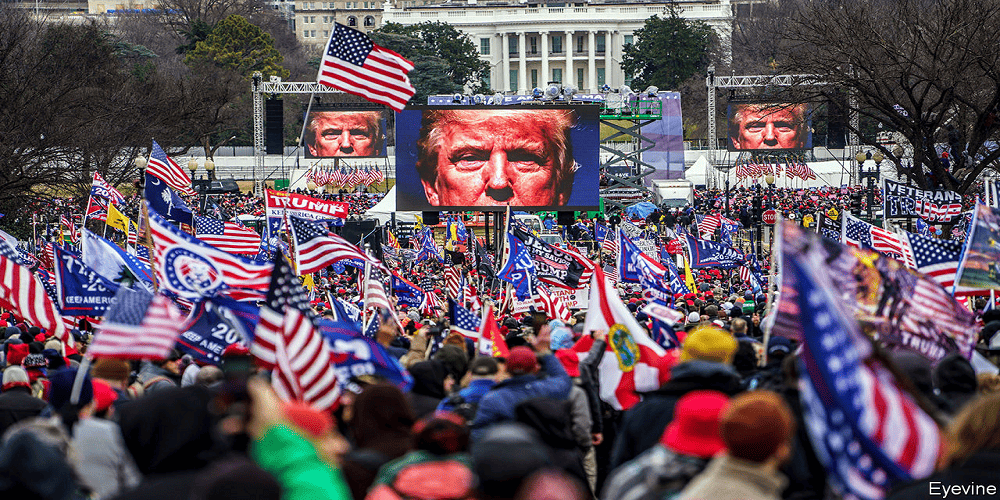
Donald Trump and Populism
Republican Party Ideology
Organizational Structure of the Republican Party
Republican Party Voter Base
Key Leaders in Republican History
Republican Party and Major Issues
Criticisms of the Republican Party
The Future of the Republican Party
Frequently Asked Questions (FAQs)
GOP stands for “Grand Old Party,” a nickname for the Republican Party.
The Republican Party was founded in 1854 by anti-slavery activists, former Whigs, Free Soilers, and others opposed to the Kansas-Nebraska Act.
Abraham Lincoln, elected in 1860, was the first Republican president.
The GOP believes in limited government, free markets, strong national defense, traditional values, and individual freedoms.
The GOP started as an anti-slavery party, later became pro-business, then shifted toward conservatism with Ronald Reagan, and now features a populist wing under Donald Trump.
The elephant symbol originated from a political cartoon by Thomas Nast in the 1870s, representing Republican strength.
Republicans generally support smaller government, lower taxes, and conservative social policies, while Democrats favor larger government involvement in social programs and progressive reforms.
Yes, Donald Trump continues to hold significant influence over the Republican Party, shaping primaries, policy debates, and voter mobilization.
Republicans perform strongest in the South, Midwest, and rural areas, while Democrats dominate in coastal and urban regions.
The GOP generally opposes government-run healthcare and promotes private, market-based solutions.

Leave A Comment
0 Comment