
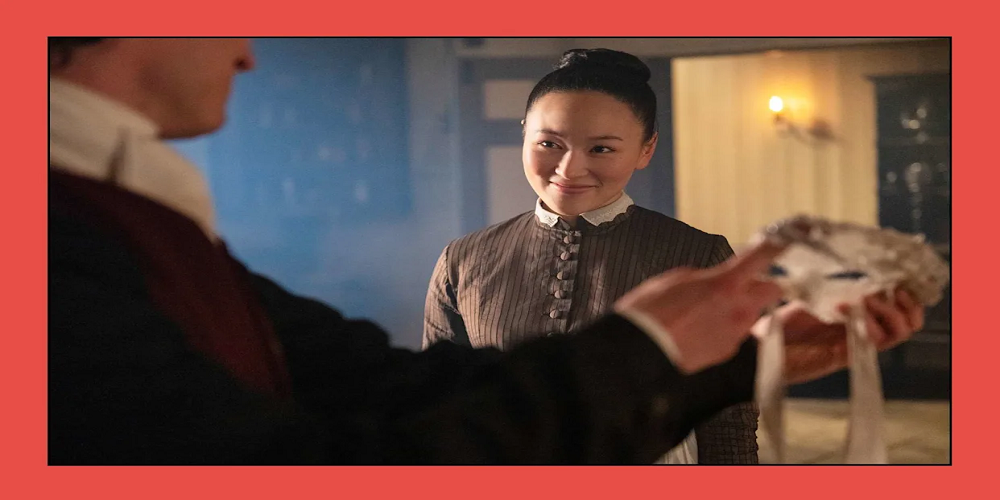
Fans of period dramas often find themselves curious about historical terms that pop up in elegant drawing rooms and scandal-filled ballrooms. One question that frequently comes up is: what is a ward in Bridgerton? The show is known for its romance, fashion, and social drama, but it also uses real historical concepts from Regency-era England. Understanding these terms adds depth to the story and helps viewers better grasp the characters’ situations.
If you’ve ever wondered what is a ward in Bridgerton, you’re not alone. The word “ward” might sound simple, but in the context of British aristocratic society, it carries legal, financial, and social significance. A ward was not just someone living under another person’s roof. The term described a young person placed under the legal protection and responsibility of a guardian, often due to the death of their parents or other family circumstances.
In this article, we’ll explore what is a ward in Bridgerton by looking at its historical background, how guardianship worked during the Regency period, how it shaped social status, and how the concept influences character relationships in the series. By the end, you’ll have a clear understanding of why this seemingly small detail plays an important role in the world of Bridgerton.
Understanding the Term “Ward”
To truly answer what is a ward in Bridgerton, we must start with the general definition. A ward is a minor, usually under the age of 21 in historical England, who is placed under the care and legal authority of a guardian. This guardian is responsible for the ward’s upbringing, education, financial matters, and sometimes their marriage arrangements.
In Regency England, wardship was often tied to inheritance. If a child’s parents died and left behind property or wealth, a court or family arrangement would appoint a guardian to manage the estate until the child came of age. This system ensured that the child’s assets were protected and that they were raised according to their social class.
When viewers ask what is a ward in Bridgerton, they are really asking about this system of legal guardianship wrapped in aristocratic expectations. The ward is not just a guest in a household. They are someone whose life path is heavily influenced by their guardian’s decisions.
Wardship in Regency England
To better understand what is a ward in Bridgerton, it helps to look at how wardship functioned in real Regency society. During this period, England had formal legal structures to protect orphaned or underage heirs. The Court of Chancery often oversaw these cases, appointing guardians to manage a ward’s estate and personal affairs.
Guardianship was considered both a duty and a privilege. A guardian had control over the ward’s finances, education, and social introduction. They were expected to act in the ward’s best interest, although history shows this did not always happen fairly.
In high society, where much of Bridgerton takes place, wardship could affect alliances between families. If a wealthy young heiress became a ward, her guardian could influence who she met, where she traveled, and even who she married. This makes the question what is a ward in Bridgerton particularly important in a story filled with courtship and social maneuvering.
Social Status of a Ward
Another key part of answering what is a ward in Bridgerton involves social standing. A ward’s status depended heavily on their birth and fortune. If they were the child of nobility or a wealthy family, they would still be treated as a member of the upper class, even while under guardianship.
However, being a ward could make someone vulnerable. They did not have full control over their life. Their guardian might decide when they entered society, whom they associated with, and what kind of marriage would be “suitable.”
In the world of Bridgerton, where reputation and marriage prospects are everything, this lack of independence could create tension. A ward might feel grateful for protection yet frustrated by restrictions. This emotional conflict helps explain why the idea behind what is a ward in Bridgerton is more than just a legal label. It shapes a character’s freedom, identity, and future.
Financial Responsibilities of a Guardian
A major aspect of what is a ward in Bridgerton relates to money. Guardians often managed significant estates on behalf of their wards. This included collecting rents, investing funds, and maintaining property.
The guardian was supposed to preserve or grow the estate until the ward came of age. However, guardians also had power, and sometimes they benefited financially from the arrangement. This imbalance of control could create drama in both real history and fictional stories.
In a show like Bridgerton, where dowries, inheritances, and fortunes drive many plotlines, understanding what is a ward in Bridgerton helps explain why certain characters might be under pressure to marry well or behave in particular ways. Their wealth may be tied up under someone else’s authority.
Education and Upbringing
Education was another important factor when considering what is a ward in Bridgerton. Guardians were responsible for ensuring that wards received proper schooling and social training. For girls in aristocratic families, this meant learning music, languages, etiquette, and other accomplishments that would make them attractive in the marriage market.
Boys, on the other hand, might be sent to prestigious schools or given tutors to prepare them for managing estates or pursuing careers in the military or government.
Because Bridgerton focuses so heavily on social presentation, it’s clear why the concept behind what is a ward in Bridgerton fits naturally into the story’s world. A ward’s education would directly affect how they perform in society, from dancing at balls to holding conversations with potential suitors.
Emotional Dynamics of Wardship
Beyond the legal and financial side, what is a ward in Bridgerton also involves emotional complexity. A ward might feel like part of the family, especially if the guardian is kind and nurturing. In other cases, they might feel like an outsider or a burden.
Guardians could be loving parental figures, distant caretakers, or strict authority figures. This variety created deeply personal experiences for wards. Some might develop close sibling-like bonds with their guardian’s children. Others might feel isolated.
In a drama like Bridgerton, these emotional layers provide rich storytelling opportunities. When viewers ask what is a ward in Bridgerton, they’re also exploring how dependency and belonging shape a character’s personality and choices.
Marriage and a Ward’s Future
Marriage is central to Bridgerton, which makes it impossible to discuss what is a ward in Bridgerton without mentioning matrimony. Guardians often had a strong say in whom their wards married, especially if a fortune or title was involved.
For female wards, marriage was typically the primary path to security and independence. A guardian might try to arrange a match that benefited both families. While some guardians prioritized love and happiness, others focused on wealth and status.
This pressure adds dramatic weight to the question what is a ward in Bridgerton, because a ward’s romantic life might not be entirely their own. Their heart could be at odds with their guardian’s plans.
Legal Authority Over a Ward
Legally, a guardian had significant authority. This is another critical part of understanding what is a ward in Bridgerton. Until a ward reached adulthood, they could not fully control their property or make major legal decisions without their guardian’s approval.
This system was meant to protect young people from exploitation, but it also limited their independence. A ward could not easily defy their guardian without risking scandal or legal consequences.
In the social world portrayed in Bridgerton, where reputation is fragile, the legal side of what is a ward in Bridgerton reinforces how trapped a young person might feel if they disagree with their guardian’s wishes.
Why Wardship Matters in Bridgerton’s World
You might wonder why the show includes this detail at all. The answer lies in how well the concept supports the themes of control, family duty, and personal desire. Understanding what is a ward in Bridgerton reveals how power flows within families and society.
Wardship creates built-in tension. A character may have wealth and status but lack freedom. They may live in luxury yet feel powerless. This contrast fits perfectly with Bridgerton’s blend of glamour and emotional struggle.
So when fans ask what is a ward in Bridgerton, they are uncovering a key social structure that influences romance, rivalry, and reputation.
Differences Between a Ward and a Child
It’s also helpful to clarify what what is a ward in Bridgerton is not. A ward is not simply a biological child of the guardian. The relationship is legal rather than based on blood.
A guardian has responsibilities similar to a parent, but the bond may not be as emotionally deep. In some cases, guardianship was assigned to distant relatives or family friends.
This distinction matters in a show built on family loyalty and expectations. Understanding what is a ward in Bridgerton highlights the difference between chosen responsibility and natural parenthood.
Power, Protection, and Vulnerability
At its core, what is a ward in Bridgerton is about a balance between protection and control. A ward is protected from financial ruin and social instability, yet also placed under another person’s authority.
This duality makes ward characters especially compelling. They may be grateful for safety but resentful of restrictions. They may be wealthy but unable to make their own choices.
That emotional push and pull is exactly the kind of tension that fuels period romance and drama, making the concept behind what is a ward in Bridgerton dramatically powerful.
Conclusion
By now, the answer to what is a ward in Bridgerton should be much clearer. A ward is a young person placed under the legal and social care of a guardian, usually due to the death of their parents. This arrangement affects their finances, education, social life, and marriage prospects.
In Regency England, wardship was common among the upper classes and played a major role in preserving wealth and status. In the world of Bridgerton, it adds emotional depth and social complexity, shaping how characters interact, fall in love, and navigate society.
So the next time you hear the term and wonder what is a ward in Bridgerton, you’ll know it represents far more than just a household arrangement. It is a system of responsibility, power, and vulnerability that fits perfectly into the show’s dramatic world.
FAQs
1. What is a ward in Bridgerton in simple terms?
A ward in Bridgerton is a young person under the legal care of a guardian who manages their upbringing and finances until they become an adult.
2. Why would someone become a ward?
A person usually became a ward if their parents died or were unable to care for them, especially if the child had inherited property or wealth.
3. Did wards have their own money?
Yes, many wards had inheritances, but their guardian controlled the money until the ward reached adulthood.
4. Could a ward choose who to marry?
Not always. Guardians often influenced or approved marriages, particularly when money or status was involved.
5. Was being a ward considered shameful?
No, especially in high society. It was common and often simply a legal arrangement, though it could make someone feel dependent.
6. How is a ward different from an adopted child?
A ward was under legal guardianship, often temporarily until adulthood, while adoption created a permanent parent-child relationship.
7. Did guardians always act in the ward’s best interest?
They were supposed to, but history shows that some guardians misused their authority or controlled wards too strictly.
8. Why does wardship matter in romantic stories like Bridgerton?
Because it affects independence, inheritance, and marriage decisions, all of which are central to romantic drama.
9. At what age did a ward gain independence?
Typically at 21 years old, when they were legally considered an adult and could control their own property.
10. Is wardship still common today?
Modern legal systems have guardianship for minors, but it works differently and is usually less tied to aristocratic inheritance and social status.
Leave A Comment
0 Comment