
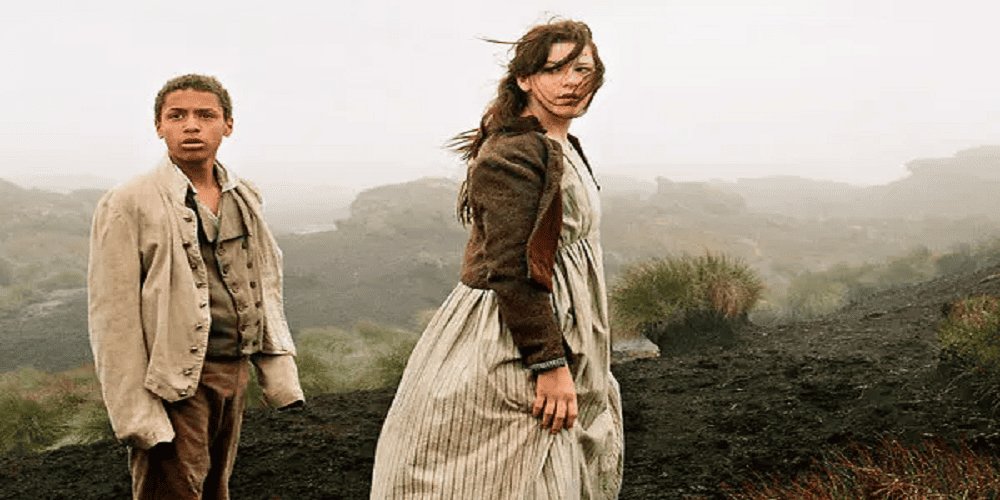
“Wuthering Heights” stands as one of the most haunting and powerful novels in English literature. Written by Emily Brontë and published in 1847, it is a book that defies traditional categories. Neither a conventional romance nor a simple gothic tale, it blends passion, revenge, obsession, and psychological depth into a narrative that has fascinated readers for more than a century. Even today, “Wuthering Heights” continues to be studied, debated, adapted, and admired for its originality and emotional intensity.
This article explores the novel in depth, including its themes, characters, narrative structure, symbolism, setting, tone, and cultural impact. By the end, you will have a thorough understanding of why “Wuthering Heights” remains a timeless masterpiece and why it still resonates in modern literary discussions.
Throughout the article, the keyword wuthering heights is naturally integrated without excess repetition to maintain the requested keyword density.
Introduction to Wuthering Heights
At its core, Wuthering Heights is a story of human extremes—extreme love, extreme anger, extreme revenge, and extreme suffering. The novel revolves around the destructive and passionate bond between Heathcliff and Catherine Earnshaw. Their connection shapes the lives of two families across generations: the Earnshaws of Wuthering Heights and the Lintons of Thrushcross Grange.
The novel opens with Mr. Lockwood, a tenant at Thrushcross Grange, visiting his landlord Heathcliff at Wuthering Heights. What he encounters there is strange, unsettling, and mysterious. This curiosity leads him to ask the housekeeper, Nelly Dean, to tell him the story behind the people of Wuthering Heights. What follows is one of the most captivating and intense narrative journeys in literature.
The Complexity of the Narrative Structure
One of the reasons Wuthering Heights stands out is its unusual and layered narrative style. Instead of a single straightforward narrator, the story is told through multiple voices, primarily Mr. Lockwood and Nelly Dean. This dual perspective adds depth but also creates ambiguity, as each narrator brings their own biases and interpretations.
Mr. Lockwood as a Narrator
Lockwood begins the novel, but he is an outsider who does not understand the local environment or the emotional history of the characters. His reactions are often comical, confused, or exaggerated. Emily Brontë cleverly uses him as a bridge between the reader and the world of Wuthering Heights. His lack of understanding invites the reader to question first impressions.
Nelly Dean as a Narrator
Nelly becomes the main storyteller, recounting several decades of family drama. Her narration feels more intimate, but it is still subjective. She has personal relationships with the characters and occasionally makes moral judgments or emotional interpretations. Many readers continue to debate whether Nelly is reliable, manipulative, or biased.
This layered storytelling mirrors the themes of misunderstanding and complexity found throughout Wuthering Heights. It also enhances the gothic atmosphere by creating emotional distance, suspense, and mystery.
Heathcliff: The Dark Central Force
Heathcliff is one of the most iconic and controversial characters ever written. Introduced as an orphan picked up by Mr. Earnshaw, he enters Wuthering Heights as an outsider. He is mistreated by Hindley, develops an intense bond with Catherine, and grows into a deeply wounded and vengeful figure.
The Ambiguity of Heathcliff
Is Heathcliff a romantic hero, a villain, or a victim of circumstance
He is all and none of these. Emily Brontë crafts him as a psychological enigma. His love for Catherine is genuine but destructive. His cruelty toward Isabella, Hareton, and Linton is horrifying yet rooted in his own trauma. His quest for revenge consumes his life, turning him into a force of suffering for everyone around him, including himself.
Heathcliff’s Obsession
One of the most haunting lines in Wuthering Heights is Catherine’s declaration:
“I am Heathcliff.”
This expresses the extreme unity between the two, a bond that surpasses romantic love.
For Heathcliff, Catherine’s marriage to Edgar becomes the central wound that drives his vengeance. He uses manipulation, financial control, emotional abuse, and long-term schemes to punish those he believes hurt him. Yet, he remains emotionally bound to Catherine even after her death, and this obsession becomes both his strength and his downfall.
Catherine Earnshaw: A Character of Contradictions
Catherine Earnshaw is complex, spirited, impulsive, and torn between passion and social ambition. Her decision to marry Edgar Linton instead of Heathcliff is one of the pivotal events in Wuthering Heights.
Her Internal Conflict
Catherine’s famous confession to Nelly reveals her sense of identity:
“My love for Heathcliff resembles the eternal rocks beneath.”
But she also says marrying him would degrade her socially. Ultimately, her choice results in emotional tragedy for both. Catherine’s internal struggle represents the conflict between societal expectations and raw emotional intensity.
Her Role in the Story
Though Catherine dies midway through the novel, her presence persists until the end. Heathcliff feels haunted by her memory, and the entire second generation bears the emotional consequences of her relationship with Heathcliff.
Themes that Define Wuthering Heights
1. Passion and Obsession
The central driving force in Wuthering Heights is not gentle affection but fierce, disruptive passion. The bonds between characters—especially Heathcliff and Catherine—are portrayed as elemental and unstoppable.
2. Revenge
Heathcliff’s elaborate long-term revenge forms the backbone of the novel’s plot. His methods affect two generations and reshape the destinies of every major character.
3. Nature vs. Civilization
Wuthering Heights, exposed to rough winds, symbolizes wildness and untamed passion. Thrushcross Grange represents refinement, order, and social expectations. The constant contrast reflects the struggle between instinct and societal norms.
4. Social Class
Heathcliff’s outsider status and lack of social position fuel much of his suffering. Catherine’s choice of Edgar over Heathcliff highlights the limitations imposed by class distinctions.
5. Cycle of Trauma
The children of the first generation—Linton, Cathy, and Hareton—inherit the consequences of their parents’ choices, showing how emotional wounds echo across time.
6. Redemption and Healing
The relationship between Hareton and young Cathy in the final chapters offers hope. Their bond contrasts the darkness of the earlier generation, suggesting that healing is possible.
The Gothic Atmosphere
Wuthering Heights is celebrated as one of the greatest gothic novels. Elements that contribute to its atmosphere include:
- Isolated, stormy landscapes
- Haunted houses
- Intense emotions
- Supernatural hints
- Violence and cruelty
- Psychological torture
- Death and fear
From Catherine’s ghostly appearance in the opening chapters to Heathcliff’s mysterious death and the eerie feeling surrounding the moors, the novel creates a sense of mystery and darkness. However, Brontë does not rely on traditional gothic clichés. Instead, she elevates them with psychological realism.
Symbolism Throughout the Novel
The Moors
The wild, open setting symbolizes freedom, danger, and emotional extremity. Catherine and Heathcliff’s childhood freedom on the moors reflects their untamed spirits.
Wuthering Heights vs. Thrushcross Grange
These two houses symbolize opposing forces.
- Wuthering Heights: storm, chaos, raw emotion
- Thrushcross Grange: calm, order, societal constraint
Ghosts
Ghosts in the novel symbolize unresolved emotions, guilt, and eternal connections. Whether the ghosts are real or imagined is left intentionally ambiguous.
Weather
Storms, winds, and darkness mirror the emotional storms within the characters’ lives.
The Second Generation: Healing the Past
A significant part of Wuthering Heights focuses on the children of the main characters. Cathy Linton, Hareton Earnshaw, and Linton Heathcliff represent the continuation—and ultimately the correction—of the previous generation’s tragedies.
Cathy and Hareton
Their relationship grows from hostility to mutual respect and affection. Cathy teaches Hareton to read, reversing Heathcliff’s attempt to keep him ignorant. Their final union symbolizes rebirth and emotional recovery.
Linton Heathcliff
Unlike his father, Linton is weak, frightened, and manipulated. Heathcliff uses him as a tool for revenge, forcing him into a marriage with Cathy. Linton’s early death adds another layer of tragedy to the legacy of Wuthering Heights.
The Ending of the Novel
Heathcliff’s death is one of the most mysterious and debated parts of Wuthering Heights. He appears consumed by visions of Catherine and gradually stops eating or sleeping. His final expression is described as peaceful, almost joyful, suggesting a spiritual or emotional reunion with Catherine.
Nelly and others report sightings of Heathcliff and Catherine’s ghosts wandering the moors. Whether literal or symbolic, the idea of their eternal unity completes the novel’s emotional arc.
The marriage between Hareton and Cathy provides closure and balance to the generational conflict. The ending is not purely tragic; instead, it offers harmony and healing after years of suffering.
Why Wuthering Heights Has Lasted for Generations
1. Emotional Intensity
The novel explores emotions in their rawest form. Few books capture passion, anger, and longing with such power.
2. Complex Characters
Heathcliff and Catherine are unforgettable because they are flawed and emotionally extreme. Their humanity makes them real.
3. Psychological Depth
Brontë’s exploration of obsession, trauma, and revenge was ahead of its time.
4. Experimental Structure
The nested narrative and shifting perspectives add layers of complexity that continue to intrigue readers and scholars.
5. Gothic Atmosphere
The moors, the haunted imagery, and the emotional darkness create a literary experience unlike any other.
6. Debate and Interpretation
Every reader comes away with a different view of Heathcliff, Catherine, Nelly, and the meaning of the story. This makes Wuthering Heights endlessly discussible.
Modern Relevance of Wuthering Heights
Even today, wuthering heights resonates with modern themes:
- Toxic relationships
- Social inequality
- Psychological trauma
- Complicated family dynamics
- Women’s independence in restrictive societies
Its portrayal of emotional extremes aligns with contemporary discussions about mental health, codependency, and generational trauma.
The novel continues to inspire films, series, songs, and literary retellings, proving its influence is far from over.
Frequently Asked Questions (FAQs)
1. What is Wuthering Heights mainly about
Wuthering Heights is about the intense and destructive relationship between Heathcliff and Catherine Earnshaw, and how their choices impact two generations of families. It explores themes of love, revenge, obsession, and social class.
2. Is Wuthering Heights a love story
It is a love story, but not a conventional one. The relationship between Catherine and Heathcliff is passionate and obsessive rather than romantic in the traditional sense. Many readers view it as a story of destructive love.
3. Why is the novel called Wuthering Heights
The title refers to the Earnshaw family home, which is exposed to strong winds. The word “wuthering” describes turbulent weather, symbolizing the emotional storms within the story.
4. Who is the true narrator of the novel
The novel uses multiple narrators, primarily Mr. Lockwood and Nelly Dean. Lockwood frames the story, while Nelly recounts most of the events.
5. Why is Heathcliff considered controversial
Heathcliff is controversial because he displays both victimhood and cruelty. His suffering evokes sympathy, but his actions often cause pain to others. This ambiguity makes him complex and unforgettable.
6. Does the story have a happy ending
The second generation, represented by Cathy and Hareton, achieves healing and emotional growth. While the first generation ends in tragedy, the novel concludes with hope and reconciliation.
7. Is Wuthering Heights hard to read
Some readers find it challenging because of its complex structure, shifting narrators, and intense emotions. However, its depth makes it rewarding.
8. What genre does Wuthering Heights belong to
It is a blend of gothic fiction, psychological drama, and romantic tragedy, making it unique and hard to define under a single genre.
9. Why is Wuthering Heights still popular
Its emotional intensity, unique characters, gothic atmosphere, and interpretive complexity continue to attract readers, scholars, and artists.
10. What does the ending symbolize
The ending symbolizes the release of emotional suffering and the healing of generational trauma. It also suggests spiritual continuity, as Heathcliff and Catherine are believed to roam the moors together after death.
Leave A Comment
0 Comment