
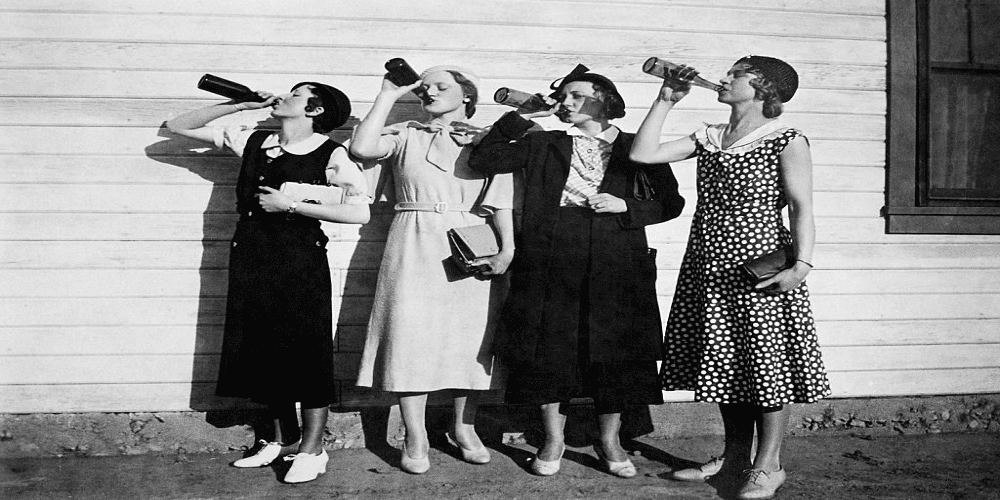
The roaring 1920s in America marked an era of tremendous social, cultural, and political change. The aftermath of World War I brought with it a new generation of young, independent women who began challenging traditional social norms. Central to this transformation was the emergence of the flapper—a woman who embodied freedom, rebellion, and modernity. The flapper lifestyle and fashion were not merely about aesthetics; they were a social statement, a bold rejection of the constraints imposed on women by the previous generation. This article explores the flapper lifestyle, fashion, and cultural impact, offering an in-depth look at how this movement influenced both women’s roles and society at large.
The Origin of the Flapper
The term “flapper” has an interesting origin. It was initially used in Britain in the early 1900s to describe young girls who were beginning to break away from traditional childhood constraints. These girls were known for their energetic and carefree nature, often “flapping” around, much like a bird. By the 1920s, the term had crossed the Atlantic to the United States, where it came to describe young women who were pushing the boundaries of social norms in dress, behavior, and attitude.
The flapper emerged against a backdrop of economic prosperity and technological advancement. The 1920s, often referred to as the “Jazz Age,” saw the rise of urban culture, with cities like New York and Chicago becoming centers of entertainment, nightlife, and modern ideas. Women were increasingly entering the workforce, gaining the right to vote in 1920 with the passage of the 19th Amendment, and enjoying newfound social liberties. The flapper represented the spirit of this age: bold, liberated, and modern.
Characteristics of the Flapper Lifestyle
The flapper lifestyle was characterized by independence, social freedom, and a sense of adventure. Unlike women of earlier generations, flappers embraced activities that were previously considered inappropriate for women. They frequented jazz clubs, danced the Charleston, smoked cigarettes, and drank alcohol—even during Prohibition. They also participated in sports and outdoor activities, embracing a physical vitality that contrasted sharply with the more restrained Victorian ideal of femininity.
Flappers were also known for their rebellious attitude toward traditional gender roles. They rejected the expectation that women should be demure, domestic, and subservient. Instead, they sought personal fulfillment, romantic freedom, and social equality. The flapper lifestyle was about embracing life fully, experiencing pleasure, and asserting individuality. This lifestyle challenged societal norms and laid the groundwork for future generations of women to claim independence and personal agency.
The Iconic Flapper Fashion
Flapper fashion is perhaps the most enduring symbol of the 1920s. The clothing was designed for freedom of movement, reflecting the active lifestyle of flappers. The iconic flapper dress was typically sleeveless, dropped-waisted, and knee-length, a radical departure from the restrictive corsets and long skirts of the previous era. These dresses often featured fringe, beads, and sequins, which moved with the dancer, creating a sense of energy and liveliness.
Hair and Makeup
Flapper hairstyles were as revolutionary as their dresses. The most famous flapper hairstyle was the bob, a short haircut that symbolized independence and modernity. Women often dyed their hair in bold shades or styled it in finger waves, further emphasizing their break from traditional beauty standards.
Makeup also became more prominent during this era. Dark, kohl-rimmed eyes, rouged cheeks, and deep red lips were hallmarks of the flapper look. Makeup was no longer reserved for stage performers; ordinary women began experimenting with cosmetics as a form of self-expression and liberation.
Accessories
Accessories played a crucial role in completing the flapper ensemble. Long strands of pearls, feathered headbands, cloche hats, and decorative gloves were popular. Stockings with intricate patterns, t-strap shoes, and cigarette holders added to the flamboyant and playful aesthetic. Every accessory was chosen to reflect both elegance and modernity while allowing for movement and expression.
Influence of Jazz Culture
Flapper fashion was inseparable from the jazz culture of the time. The rapid rhythms of jazz music required clothing that allowed for energetic dances like the Charleston, the Black Bottom, and the Shimmy. Designers recognized this need and created dresses that moved freely and shimmered with each step. Nightlife, dance halls, and speakeasies became fashion runways where flappers showcased their daring styles.
Flappers and Social Change
The flapper phenomenon was not merely about fashion; it represented a shift in societal attitudes toward women. Flappers challenged the prevailing notions of femininity, demonstrating that women could be both fashionable and independent. They were pioneers in redefining women’s roles in public life, education, and the workforce.
Flappers also had a significant impact on literature, film, and art. The literature of the Jazz Age, exemplified by authors like F. Scott Fitzgerald, often featured flapper characters who embodied the excitement and excess of the era. Hollywood films of the 1920s frequently depicted flappers as glamorous, witty, and socially liberated, cementing their place in popular culture. The visual arts embraced flapper imagery, portraying women as dynamic, modern, and assertive.
Criticism and Controversy
Despite their popularity, flappers faced considerable criticism. Many conservative commentators viewed their behavior as immoral and a threat to traditional family values. Critics argued that flappers were too focused on pleasure, fashion, and socializing, neglecting their roles as wives and mothers. Some religious leaders decried their use of makeup, short skirts, and public smoking as indecent.
However, these criticisms often highlighted the very freedoms flappers were asserting. By challenging societal expectations, flappers demonstrated that women could live independently, express themselves creatively, and participate in public life on their own terms. The controversy surrounding flappers underscored the broader cultural tensions of the 1920s, as America grappled with modernity, gender roles, and social change.
Flapper Fashion Designers
Several designers and fashion houses played a pivotal role in popularizing the flapper look. Coco Chanel, for instance, revolutionized women’s fashion with simple, elegant designs that emphasized comfort and movement. Jeanne Lanvin and Jean Patou introduced luxurious dresses adorned with beads and sequins, appealing to women who wanted both style and freedom. These designers helped transform fashion into a reflection of social change, enabling women to express their individuality through clothing.
The Decline of the Flapper Era
By the late 1920s and early 1930s, the flapper era began to wane. The stock market crash of 1929 and the onset of the Great Depression brought economic hardship that influenced fashion and lifestyles. The carefree, lavish lifestyle of flappers became less practical, and clothing styles shifted toward more conservative and restrained designs. Despite this decline, the flapper legacy endured, influencing future generations of women and leaving a lasting imprint on fashion history.
Legacy of the Flapper
The flapper lifestyle and fashion remain iconic symbols of rebellion, independence, and modernity. They represent a pivotal moment in women’s history when traditional norms were challenged, and new possibilities for female self-expression emerged. Flapper fashion continues to inspire designers, costume designers, and cultural historians, while the spirit of flapper independence resonates in contemporary discussions of women’s rights and gender equality.
Flappers also played a crucial role in the evolution of women’s social freedoms. Their willingness to embrace new ideas, challenge conventions, and live boldly paved the way for subsequent movements advocating women’s empowerment, sexual liberation, and workplace equality. The flapper’s influence extends far beyond clothing, embodying a broader cultural shift toward individuality and freedom.
Modern Influence
Modern fashion often revisits the flapper aesthetic, especially during themed events, fashion retrospectives, and in the film industry. Fringe dresses, bobbed hairstyles, and sequined accessories continue to evoke the glamour and energy of the 1920s. Contemporary designers draw inspiration from the era, blending vintage styles with modern sensibilities to create fresh, dynamic collections.
Moreover, the flapper’s spirit of independence resonates with today’s social movements. Women continue to challenge traditional norms in fashion, work, and personal expression, echoing the same daring and progressive attitudes that defined the original flappers.
Conclusion
The flapper lifestyle and fashion symbolize an era of liberation, experimentation, and cultural transformation. More than just a style, flapper fashion reflected a shift in women’s roles, attitudes, and aspirations. From the iconic dresses and bobbed hair to the lively social behaviors and independent attitudes, flappers embodied a break from tradition and a celebration of modernity. Their influence is enduring, inspiring contemporary fashion and feminist thought while remaining a defining feature of the 1920s cultural landscape.
The flapper movement reminds us that fashion is more than clothing—it is a language of self-expression, rebellion, and identity. Through their bold choices, flappers carved out new spaces for women in society, leaving a legacy that continues to inspire freedom, creativity, and the celebration of individuality.
Frequently Asked Questions (FAQs)
1. Who were the flappers?
Flappers were young women in the 1920s who challenged social norms through their fashion, behavior, and attitudes. They embraced independence, social freedom, and modern lifestyles, often participating in activities like dancing, smoking, and drinking.
2. What is iconic flapper fashion?
Flapper fashion typically included knee-length dresses with dropped waists, fringe, beads, and sequins. Accessories like long pearl necklaces, cloche hats, and feathered headbands were popular. Bobbed hairstyles and bold makeup completed the look.
3. How did flappers influence society?
Flappers challenged traditional gender roles and societal expectations, promoting female independence and self-expression. They influenced fashion, literature, film, and art, contributing to a broader cultural shift toward modernity and social liberation.
4. Why did the flapper era end?
The flapper era declined during the late 1920s and early 1930s due to the economic hardships of the Great Depression. Lavish lifestyles became less practical, and fashion shifted toward more conservative styles.
5. What is the legacy of the flapper lifestyle?
The flapper legacy lies in its promotion of independence, individuality, and social freedom. Flapper fashion continues to inspire modern designers, and their rebellious spirit resonates with contemporary movements advocating women’s rights and personal expression.
Leave A Comment
0 Comment