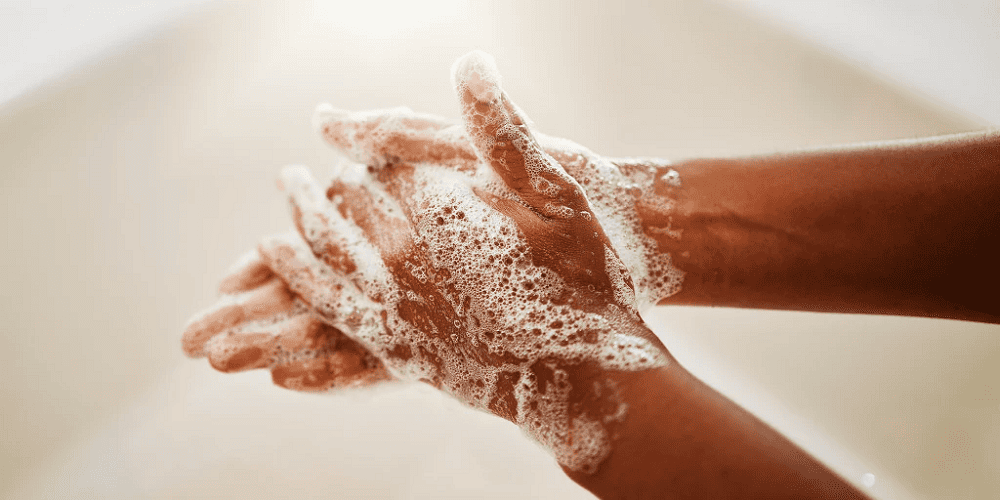
When it comes to personal hygiene, hand soap is one of the most commonly used products worldwide. In homes, hospitals, schools, and businesses, we rely on hand soap to keep germs at bay and protect our health. But what happens when the product meant to protect us becomes a potential threat? This is exactly what happened with the Dermarite Industries hand soap recall, which has raised concerns among consumers, healthcare facilities, and regulators. In this comprehensive guide, we will explore the details of the recall, its possible causes, the impact on consumers and businesses, and what you can do if you have purchased or used the affected products. Dermarite Industries is a well-known manufacturer in the United States that specializes in health and personal care products. The company is trusted by healthcare providers, nursing homes, and hospitals for a wide range of products, including skincare solutions, nutritional supplements, wound care items, and hygiene products such as hand soaps and sanitizers. Their mission has always been to deliver high-quality, affordable, and reliable healthcare products. Dermarite is particularly popular in the long-term care and hospital markets, where infection prevention is crucial. This reputation is why the hand soap recall shocked so many consumers and institutions. It was a product meant to protect vulnerable populations, including elderly patients and people with compromised immune systems. Product recalls happen when a manufacturer, distributor, or regulatory authority identifies a potential health or safety issue that could harm consumers. In the case of the Dermarite Industries hand soap recall, reports suggest that the recall was triggered after routine testing revealed contamination or the presence of harmful bacteria in certain lots of their hand soap. Although the exact details vary depending on the official recall notice, the primary reason often revolves around: Microbial contamination – When bacteria such as Burkholderia cepacia or Pseudomonas aeruginosa are found in hand soaps, they can pose health risks, especially in hospital environments. Quality control failures – Sometimes, manufacturing issues like inadequate sterilization, improper packaging, or contamination during production lead to compromised products. Regulatory inspections – The U.S. Food and Drug Administration (FDA) or other health agencies often conduct inspections, and when issues are found, recalls are initiated to protect the public. At first glance, it may not seem like contaminated soap could be a serious issue — after all, you wash it off. But for people in healthcare settings, the consequences can be severe. Healthcare-associated infections (HAIs): Contaminated soap can introduce bacteria to patients with open wounds, catheters, or weakened immune systems, leading to infections. Respiratory issues: Inhaling bacteria or coming in contact with contaminated surfaces could cause pneumonia or sepsis in vulnerable individuals. Cross-contamination: In hospitals, one contaminated dispenser could spread bacteria across multiple wards if used by staff without knowing it’s compromised. For the general public, the risks might be lower but still exist, especially for children, elderly individuals, and those with chronic health issues. When a product recall is initiated, companies usually follow a set procedure to ensure that the product is removed from shelves quickly and efficiently. Dermarite Industries would have worked closely with the FDA to issue a public recall notice, which includes: Identification of affected lots – Listing the product name, batch numbers, manufacturing dates, and expiration dates. Distribution of recall notice – Informing hospitals, nursing homes, wholesalers, and retailers to immediately stop using and distributing the product. Instructions for consumers – Providing steps to return, dispose of, or replace the affected products safely. Corrective actions – Conducting investigations, improving manufacturing practices, and preventing future occurrences. This process ensures that contaminated or unsafe products are removed before they can cause widespread harm. As news of the Dermarite Industries hand soap recall spread, consumers reacted with concern and caution. Many healthcare facilities conducted internal reviews, checked their inventories, and replaced affected products. Patients and caregivers expressed worry about whether they had been exposed to contaminated soap and if it could have caused illnesses. In some cases, legal discussions followed regarding possible liability and compensation for any harm caused. For Dermarite Industries, the recall was not only a public health issue but also a reputational challenge. Maintaining transparency and offering clear communication was crucial to rebuilding trust with customers. Product recalls, while damaging, also offer valuable lessons for manufacturers. The Dermarite case underscores the importance of: Strict quality control – Regular testing and monitoring of products during manufacturing. Compliance with FDA regulations – Ensuring all facilities meet Good Manufacturing Practices (GMP). Rapid response protocols – Acting quickly when contamination is discovered. Clear consumer communication – Providing timely updates to minimize panic and misinformation. By improving these practices, companies can reduce the likelihood of future recalls. If you suspect that you purchased or used hand soap from a recalled batch, here are the steps you should follow: Check the lot numbers – Visit Dermarite’s official website or FDA recall page to confirm if your product is affected. Stop using the product immediately – Do not take chances, even if you have not experienced any symptoms. Dispose of the product safely – Follow the disposal instructions given in the recall notice to avoid spreading contamination. Report any health symptoms – If you or someone in your household developed rashes, infections, or other unusual symptoms after using the soap, contact your healthcare provider. Stay updated – Keep an eye out for updates from Dermarite or health authorities for replacement product availability. This recall had a noticeable impact on healthcare providers and suppliers. Facilities had to quickly remove contaminated products, source alternatives, and train staff to prevent cross-contamination. For many institutions, it was a reminder of how dependent they are on reliable suppliers and why regular audits of hygiene product quality are necessary. Dermarite Industries has likely taken steps to restore its reputation, such as enhancing quality control systems, improving supplier audits, and increasing transparency about safety measures. For consumers, this incident is a reminder to pay attention to recall notices, even for everyday products like soap. The Dermarite Industries hand soap recall highlights how crucial product safety is in protecting public health. While recalls can be inconvenient, they are an essential part of a functioning safety system, ensuring that unsafe products are quickly removed from circulation. Consumers, healthcare providers, and manufacturers all play a role in maintaining safety standards. Staying informed, reporting concerns, and demanding accountability helps improve product quality across the industry. Q1: Why was Dermarite Industries hand soap recalled? Q2: Which products were affected by the recall? Q3: What are the risks of using contaminated hand soap? Q4: How can I know if my soap is part of the recall? Q5: Can I get a refund or replacement for recalled soap? Q6: Is it safe to continue using other Dermarite products? Q7: What should healthcare facilities do after a recall? Q8: How can manufacturers prevent such incidents in the future?Introduction to Dermarite Industries
What Led to the Hand Soap Recall
Why Contaminated Hand Soap Is Dangerous
How the Recall Was Conducted
Consumer Response and Concerns
Lessons Learned for Manufacturers
What Consumers Should Do
Impact on the Healthcare Industry
Moving Forward – Building Trust
Final Thoughts
FAQs on Dermarite Industries Hand Soap Recall
The recall was due to potential bacterial contamination that could pose health risks, especially in healthcare settings.
The affected products were specific lots of Dermarite hand soaps. Exact lot numbers and expiration dates were shared in the official recall notice.
It can cause infections, particularly in immunocompromised individuals or patients in hospitals, potentially leading to serious health issues.
Check the batch or lot number on your bottle and compare it with the list provided on Dermarite’s website or the FDA recall page.
Yes, most companies offer refunds or replacements. You should contact Dermarite or the place where you purchased the product for details.
Yes, only the recalled batches are affected. However, always check recall notices for the most accurate and up-to-date information.
They should remove all affected products immediately, notify staff, sanitize affected dispensers, and replace them with safe alternatives.
By improving quality control, performing more frequent testing, and complying strictly with FDA regulations and Good Manufacturing Practices.

Leave A Comment
0 Comment