
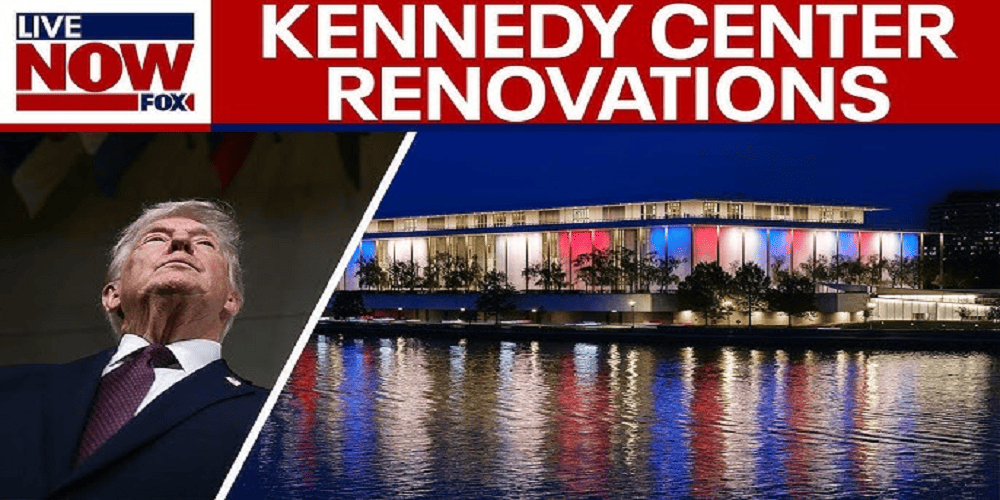
The Kennedy Center stands as one of the most important cultural landmarks in the United States. Officially known as the John F. Kennedy Center for the Performing Arts, this iconic institution represents the nation’s commitment to creativity, artistic excellence, and cultural expression. Located in Washington, D.C., along the Potomac River, the Kennedy Center is not only a performance venue but also a symbol of national identity, artistic freedom, and global cultural exchange.
From world-class theater and ballet to orchestral concerts and modern performances, the Kennedy Center has become a central hub for artistic talent from across the United States and around the world. Millions of visitors walk through its grand halls every year, experiencing performances that inspire, challenge, and entertain.
The Vision Behind the Kennedy Center
The idea for the Kennedy Center began with a national desire to create a cultural space that would rival the great performance venues of Europe. In the mid-20th century, leaders recognized that the United States needed a national performing arts center that celebrated creativity at the highest level.
After President John F. Kennedy’s assassination in 1963, the performing arts center project was renamed in his honor. Kennedy was a strong supporter of the arts and believed culture played a vital role in shaping a nation’s identity. The Kennedy Center therefore became a living memorial — not a statue or monument, but a space where artistic expression could thrive for generations.
Architecture and Design of the Kennedy Center
The Kennedy Center is known for its striking architecture and monumental presence. Designed by architect Edward Durell Stone, the building features a long, elegant structure with grand marble halls and sweeping views of the Potomac River. Its design reflects both classical and modern influences, symbolizing the timeless nature of the arts.
Inside the Kennedy Center, visitors encounter wide corridors, tall ceilings, and expansive windows that fill the space with natural light. The interior combines elegance with accessibility, welcoming everyone from first-time visitors to seasoned art lovers.
The building itself is part of the experience. Even before attending a performance, simply walking through the Kennedy Center creates a sense of anticipation and appreciation for culture.
Performance Spaces Inside the Kennedy Center
One of the reasons the Kennedy Center is so influential is the variety of performance spaces it offers. Each venue is designed for specific art forms and audience experiences.
Opera House
The Opera House is the largest theater inside the Kennedy Center and hosts grand opera productions, large-scale musicals, and major performances. Its design ensures excellent acoustics and clear sightlines, making every seat feel connected to the stage.
Concert Hall
Home to the National Symphony Orchestra, the Concert Hall is a centerpiece of the Kennedy Center. It hosts classical concerts, symphonies, and special musical events. The hall’s acoustics are carefully engineered to deliver rich, immersive sound.
Eisenhower Theater
This theater focuses on dance, drama, and smaller-scale musical productions. It adds variety to the programming at the Kennedy Center, giving audiences more intimate and experimental experiences.
Terrace Theater and Studio Spaces
These smaller venues inside the Kennedy Center provide space for contemporary works, youth performances, and innovative productions that might not fit into larger theaters.
The Kennedy Center Honors
One of the most prestigious events associated with the Kennedy Center is the annual Kennedy Center Honors. This ceremony recognizes artists who have made extraordinary contributions to American culture through the performing arts.
Each year, the Kennedy Center becomes the stage for a nationally celebrated tribute. Musicians, actors, dancers, and directors are honored for lifetime achievements. The event highlights how the Kennedy Center serves not only as a performance venue but also as a guardian of artistic legacy.
The Honors ceremony has become a major cultural moment, bringing together leaders, artists, and audiences in celebration of creativity.
Educational Programs at the Kennedy Center
The Kennedy Center is not just for professional artists. Education is one of its core missions. Through workshops, training programs, and student performances, the Kennedy Center works to make the arts accessible to young people across the country.
Programs include:
- Arts education for schools
- Teacher training in creative instruction
- Youth theater initiatives
- National arts competitions
By supporting arts education, the Kennedy Center helps nurture the next generation of performers, creators, and audiences.
Free Performances and Public Access
One of the most welcoming aspects of the Kennedy Center is its commitment to free public performances. Every day, visitors can attend free shows at the Millennium Stage. These performances feature a wide range of genres, from jazz and folk music to international dance and theater.
This initiative ensures that the Kennedy Center remains accessible to everyone, not just those who can afford premium tickets. It reflects the center’s mission to serve as a national cultural space open to all communities.
The Kennedy Center as a National Memorial
Unlike traditional memorials made of stone or bronze, the Kennedy Center is a living tribute. It honors President Kennedy’s belief that art strengthens society. Every performance, rehearsal, and educational workshop continues that legacy.
The Kennedy Center reminds visitors that culture is not static. It evolves, adapts, and reflects the spirit of the times. As a memorial, it celebrates creativity rather than sorrow, making it one of the most unique memorial institutions in the United States.
Cultural Diversity at the Kennedy Center
Another defining feature of the Kennedy Center is its commitment to cultural diversity. The center hosts artists from around the globe, presenting performances that represent different traditions, languages, and artistic styles.
International festivals at the Kennedy Center introduce audiences to world music, global dance forms, and international theater productions. This global perspective reinforces the idea that the arts connect people across borders.
Technology and Modern Innovation
While rooted in tradition, the Kennedy Center also embraces modern technology. Advanced lighting systems, sound engineering, and digital broadcasting allow performances to reach audiences beyond Washington, D.C.
Through livestreams and online programs, the Kennedy Center extends its reach nationally and internationally. This blend of tradition and innovation ensures the center remains relevant in a rapidly changing world.
Visitor Experience at the Kennedy Center
Visiting the Kennedy Center is more than attending a show. The experience includes exploring art exhibits, dining at on-site restaurants, and enjoying panoramic views from the rooftop terrace. Guided tours provide insight into the history, architecture, and operations of the Kennedy Center.
For many visitors, the building itself becomes as memorable as the performance they attend.
The Kennedy Center and American Identity
The Kennedy Center plays a significant role in shaping America’s cultural identity. It showcases both classic and contemporary works, reflecting the nation’s diverse artistic landscape.
From Broadway tours to experimental theater, the programming at the Kennedy Center captures the evolving story of American creativity. It stands as proof that the arts are essential, not optional, in national life.
Economic and Cultural Impact
Beyond its artistic contributions, the Kennedy Center also has a major economic and cultural impact. It attracts tourists, supports jobs in the arts sector, and contributes to the vibrancy of Washington, D.C.
Local businesses, hotels, and restaurants benefit from visitors who travel to attend performances at the Kennedy Center, making it an important part of the city’s economy.
Why the Kennedy Center Matters Today
In today’s fast-paced digital world, live performance spaces like the Kennedy Center offer something unique: shared human experiences. Watching a performance in person creates emotional connections that cannot be replicated on a screen.
The Kennedy Center continues to evolve while staying true to its mission of artistic excellence, education, and accessibility. Its role as a cultural gathering place is more important than ever.
The Future of the Kennedy Center
Looking ahead, the Kennedy Center aims to expand its programming, reach new audiences, and continue embracing innovative artistic forms. By balancing tradition with experimentation, the Kennedy Center ensures it will remain a cornerstone of American culture for decades to come.
FAQs About the Kennedy Center
What is the Kennedy Center known for?
The Kennedy Center is known for being the United States’ national performing arts center. It hosts theater, music, dance, opera, and educational programs.
Where is the Kennedy Center located?
The Kennedy Center is located in Washington, D.C., along the Potomac River.
Why was the Kennedy Center built?
The Kennedy Center was built to serve as a national cultural center and later became a memorial to President John F. Kennedy.
What are the Kennedy Center Honors?
The Kennedy Center Honors are annual awards presented at the Kennedy Center to recognize lifetime achievements in the performing arts.
Can you visit the Kennedy Center without tickets?
Yes, visitors can explore public areas of the Kennedy Center and attend free Millennium Stage performances.
What types of performances happen at the Kennedy Center?
The Kennedy Center hosts concerts, ballet, theater, opera, comedy, and international performances.
Is the Kennedy Center only for classical arts?
No, the Kennedy Center presents a wide variety of genres, including contemporary music, modern dance, and experimental theater.
Does the Kennedy Center offer educational programs?
Yes, the Kennedy Center runs national arts education programs for students and teachers.
How does the Kennedy Center support artists?
The Kennedy Center provides performance opportunities, training, and national recognition for artists across disciplines.
Why is the Kennedy Center important to American culture?
The Kennedy Center serves as a national stage that celebrates artistic excellence and preserves cultural heritage.
Leave A Comment
0 Comment