
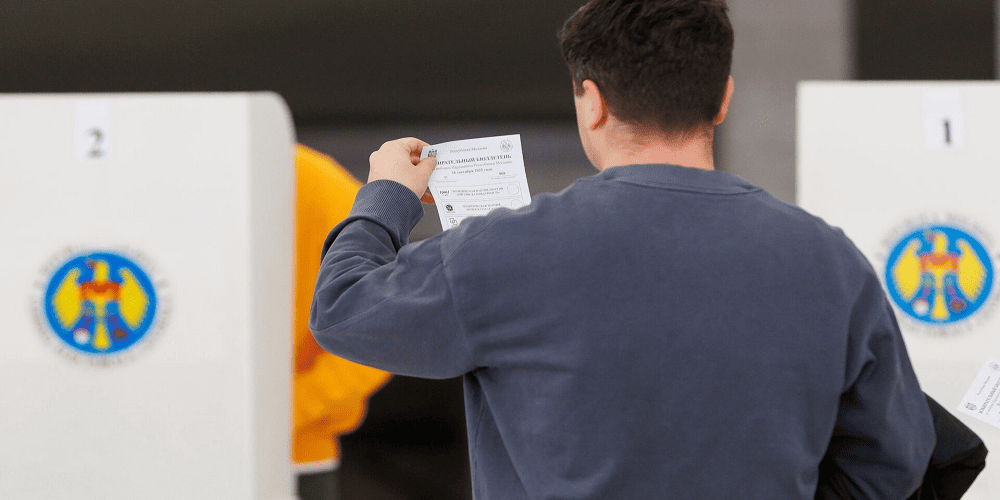
Moldova, nestled between Romania and Ukraine, has become a geopolitically sensitive space, often described as a “buffer” or “pivot” in the tug-of-war between European integration and Russian influence. Its elections are therefore closely watched not just domestically but also internationally.
The recent parliamentary election (held on 28 September 2025) drew particular attention, as it was widely perceived to be a kind of referendum on Moldova’s future direction: whether to continue aligning with the European Union, or to drift (or be pulled) back toward Russia’s orbit. Reuters+4Al Jazeera+4IFRI+4
In this write-up, I will present:
- The basic results and key figures
- Political background leading into the election
- Campaign dynamics, issues, and interference claims
- Interpetation and implications
- Risks, challenges, and possible trajectories
- FAQ (5 questions)
The goal is both descriptive and analytical: to show what happened and to explore why it matters.
1. The Results: What Happened
Basic outcome
- The election was for all 101 seats in the Moldovan Parliament (the Parliament of the Republic of Moldova). Wikipedia+2PolitPro - Politik, News & Wahltrends+2
- A majority requires 51 seats. Wikipedia+1
- Turnout was 52.17% (which represented an increase of about 3.75 percentage points over the previous comparable election). Wikipedia+1
- The ruling Party of Action and Solidarity (PAS), the pro-European party, won 50.16% of the vote and secured 55 seats. Al Jazeera+4Wikipedia+4Reuters+4
- The main opposition bloc, the Patriotic Electoral Bloc (BEP), which is more pro-Russian in orientation, got 24.19% and won 26 seats. The Guardian+3Wikipedia+3Reuters+3
- Other parties or blocs, newly entering or expanding their presence, included:
- Alternative (BA / Alternativa Bloc): 7.97%, 8 seats The Guardian+3Wikipedia+3Reuters+3
- Our Party (PN / Renato Usatîi): 6.20%, 6 seats The Guardian+3Wikipedia+3AP News+3
- Democracy at Home Party: 5.62%, 6 seats AP News+3Wikipedia+3Financial Times+3
Thus, PAS managed to retain a clear majority and did not need to form a coalition. Reuters+3AP News+3Financial Times+3
Because the majority is relatively comfortable (55 out of 101), PAS can in principle govern with more stability (in comparison to a slim majority). CSIS+3AP News+3The Guardian+3
Comparisons & continuity
In the 2021 snap parliamentary election, PAS had also won a commanding victory: around 52.80% of the vote and 63 seats in parliament. Wikipedia+2Pism+2 That means that although PAS remains dominant, its seat count in 2025 is somewhat reduced from its high point in 2021. Wikipedia+2IFRI+2
So the political continuity remains strong: a pro-EU government, still led by the forces underpinning Maia Sandu and her allies, continues. Carnegie Endowment+4CSIS+4Reuters+4
2. Political Background
To understand why this election was so consequential, and why the results are meaningful, one must see the political and structural context.
Post-Soviet trajectory and identity fault lines
Moldova’s post-Soviet political history has been marked by a tug between:
- A pro-European, reformist, anti-corruption current;
- A pro-Russian, nostalgic, or “balanced” current seeking to maintain close ties to the former Soviet orbit.
These divisions cut across linguistic, regional, generational, and diaspora lines. The presence of the breakaway region of Transnistria (a de facto separatist enclave with Russian military presence) further complicates Moldova’s geopolitical position.
Since independence (1991), parties and coalitions promoting either orientation have periodically taken power; sometimes coalitions have been fragile, and governance has been unstable.
Sandu, PAS, and their ascent
Maia Sandu, a pro-European politician, first rose to prominence as a reformer, especially in education and anti-corruption. She became President of Moldova in 2020 (after a long campaign) and has since made EU integration a central aim.
Her Party of Action and Solidarity (PAS) is the main vehicle for the pro-European reforms. PAS has, in successive elections and political cycles, built a strong reputation (among a substantial segment of the population) for integrity, European orientation, and institutional reform, contrasting with entrenched oligarchic, corrupt networks.
Over time, PAS has consolidated power at both the presidential and legislative levels. However, that success has come with pushback: opposition forces, Russia-aligned interests, disinformation campaigns, and political polarization.
Lead-up to 2025: constraints, challenges, and expectations
By mid-2025, the consensus among many analysts was that PAS was likely to hold its majority, though perhaps with a smaller margin than in 2021. Al Jazeera+3CSIS+3Carnegie Endowment+3
At the same time, PAS faced multiple constraints:
- Economic difficulties: Moldova is relatively poor, vulnerable to energy and food price shocks.
- Social discontent: frustrations over living standards, corruption, public service inefficiencies.
- External pressures: Russia has long sought to influence Moldovan politics through hybrid means.
- Diaspora and vote turnout: a significant share of Moldovans live abroad, and diaspora voting has, historically, played a key role.
Thus, the 2025 election was framed as a test: whether the pro-EU reforming project could be reaffirmed, or whether opposition forces (often with support or sympathy from Russian interests) could make inroads.
3. Campaign Dynamics, Issues & Interference Claims
No modern election in Moldova can be analyzed without a consideration of interference allegations, campaign tactics, and the information environment. These were particularly salient in 2025.
Main themes and issues
- European integration vs. balance with Moscow: As noted, this was a core dividing line. PAS emphasized acceleration of EU accession, alignment with European norms, and distancing from Russian influence. Opponents offered alternate visions—some promised neutrality, others advocacy of restored ties with Russia. Wikipedia+4Al Jazeera+4CSIS+4
- Corruption and institutional reform: PAS leveraged its record and pledges on controlling corruption, strengthening courts, rule of law. Opponents claimed “elite capture,” unfair advantages, and governance abuses.
- Economic and social welfare: Ordinary citizens expected better jobs, stable energy, price management, infrastructure, public services.
- Security and existential stakes: Because of the war in Ukraine, Moldova’s security environment is sensitive. Many citizens felt that alignment with Europe offered protection; opponents sometimes stoked fears of destabilization.
- Diaspora voting and representation: Given the large number of Moldovans abroad, how those votes were handled was a point of contention.
Interference, disruption, and claims
Officials, civil society, and international observers reported multiple challenges and alleged interference efforts:
- Cyberattacks: Reports of assaults on government or electoral infrastructure, possibly aimed to sow confusion, degrade trust, or damage digital systems. Wikipedia+5AP News+5Financial Times+5
- Bomb threats and intimidation: Several polling stations (especially abroad) reportedly received bomb threats, raising safety concerns. AP News+2Financial Times+2
- Illegal transportation of voters and ballot photography: Some reports indicated that voters were transported illegally to polling stations and some photographed ballots (a possible sign of vote‐buying or coercion). The Guardian+3AP News+3AP News+3
- Disinformation campaigns and propaganda: A flood of online posts, messaging, bot amplification, social media narratives pitting West vs East, fake news accusations, etc. Some narratives claimed external influence by Russia or by Romanian far-right actors. Carnegie Endowment+6Le Monde.fr+6Le Monde.fr+6
- Legal challenges and arrests: Authorities arrested dozens (74 according to one report) in what was described as a Russia-backed plot to incite unrest around the election. AP News
Because Moldova lies at a sensitive geopolitical frontier, many commentators see this as a hybrid war environment: not only traditional campaigning but also proxy tools (information warfare, coercion, destabilization) are in play.
Observers, legitimacy & transparency
International observers and democracy watchdogs paid close attention. The legitimacy of the election is tied to how free, fair, and transparent key processes were (voter registration, ballot counting, media environment, dispute resolution). Some reports praised the competitive nature of the election but flagged weaknesses in campaign finance, transparency, and handling of online interference. IFRI+3Wikipedia+3CSIS+3
Also, the fact that PAS could win more than 50% of the vote—and thus not need a coalition—strengthens the perception of a clearer mandate and fewer post-election deal making.
4. Interpretation & Implications
Why do these results matter? What do they portend for Moldova, the region, and the broader European project? Here are several key lines of interpretation.
A reaffirmation of pro-European mandate
The fact that PAS secured a full majority without coalition partners is significant. It gives the governing party more political room to maneuver, legislate, and press reforms without the compromises or instability that coalitions often entail.
It is a signal to Brussels and other European actors that Moldovans, in large measure, support a trajectory toward European integration. Many international observers see the results as a rejection of Russian pressure or influence attempts. IFRI+5AP News+5Financial Times+5
Reduced room for opposition and regression
Opposition forces—especially those aligned with or sympathetic to Russia—have been weakened. The Patriotic Electoral Bloc, while still relevant, has fewer seats and a more constrained ability to block legislation or force bargains.
Smaller “middle-ground” parties (Alternative, Our Party, Democracy at Home) did make entry, which suggests that some voters sought alternatives to a binary East vs West choice—but not enough to dislodge the central PAS dominance. Wikipedia+2Al Jazeera+2
Moreover, the results reduce the likelihood that pro-Russian forces can regain power in the near term, unless there’s a dramatic swing or crisis.
Challenges ahead for PAS
Winning a majority is easier than governing well. PAS will still face multiple obstacles:
- Reform fatigue and expectations: Citizens will judge results by whether tangible improvements—jobs, infrastructure, services—materialize.
- Institutional resistance: Elements within the state, media, judiciary, or oligarchic networks may resist reforms or delay implementation.
- External meddling: Russia remains a persistent factor; it may intensify covert actions, disinformation, or destabilization attempts.
- Fiscal and economic constraints: Moldova is resource-constrained; investments, aid, and budget balancing will be important.
So while the victory is significant, the test for PAS is ongoing.
Geopolitical resonance
- EU accession momentum: With a mandate in hand, Moldova can plausibly accelerate efforts toward EU candidate status, aligning laws and norms, pursuing financial/institutional aid, and seeking integration in certain European frameworks.
- Regional signaling: The result sends a message to neighboring states (Ukraine, Romania, Baltic states, Eastern Partnership countries) that democratization and European alignment remain viable even under pressure.
- Russian reaction: Moscow is unlikely to accept passively a further “loss” of influence. We may see increased hybrid pressure in diplomatic, economic, information, or covert domains.
- Security implications: Given Moldova’s proximity to Ukraine and its own security vulnerabilities (including Transnistria), the orientation of its government matters for regional stability.
Risks & fragilities
- Polarization and backlash: The opposition may reject results, mobilize protests, or attempt destabilizing tactics. Already, calls for demonstrations were floated soon after results. Wikipedia+2AP News+2
- Overreach: Ambitious reforms, if mishandled, could provoke political pushback or erode trust.
- Institutional capture: Even with a strong mandate, there is a risk that PAS itself drifts toward centralizing power, reducing checks and balances, or tolerating corruption or favoritism.
- Stalled EU response: Aspirations for rapid integration depend on how receptive the EU is, how much structural assistance is provided, and whether reforms are credible. Moldova’s pace may bump against bureaucratic or political inertia in the EU.
5. What to Watch Going Forward
Given the results and their meaning, the months and years ahead will be critical. Here are key indicators and events to monitor:
- Government formation & cabinet choices: Who PAS chooses for key ministries—justice, interior, economy—will signal whether reform is serious or symbolic.
- Legislative agenda and success: Will PAS introduce judiciary reform, anti-corruption laws, media regulation (in balanced fashion), public administration reform, etc.? How many will pass?
- Electoral oversight and transparency: How strictly are future elections monitored, complaints handled, voter registration managed?
- Diaspora policy: Given the importance of diaspora votes, how the government treats diaspora representation, voting access, and ties with emigrants matters.
- Erosion or pushback from opposition: Whether the opposition can regroup or mount successful challenges (legal, protest, institutional) will show the resilience of the political system.
- Relations with Russia and external pressure: Any signs of intensified cyberattacks, disinformation, economic coercion, or destabilizing acts should be watched.
- EU progress or stagnation: How rapidly Moldova is offered access, aid packages, alignment mechanisms, and institutional integration will influence public perception of PAS’s success.
- Public sentiment and midterm shifts: Public opinion, economic performance, and popular discontent may shift the balance before the next election.
In sum, while the 2025 election delivered a strong reaffirmation of PAS’s role, the real challenge is governance, maintaining democratic integrity, and navigating external pressures.
FAQ (Five Common Questions)
1. Why was this election considered especially important?
This election was widely viewed as a choice between continued European integration and renewed Russian influence. For many, it was a referendum on Moldova’s geopolitical trajectory at a time of heightened regional tension (particularly after Russia’s war in Ukraine). Because PAS had already controlled the presidency and parliament, but faced strong opposition and interference threats, the election served as a test of whether the pro-European project retained popular legitimacy.
2. Did PAS gain or lose strength compared to its 2021 victory?
PAS lost some ground in terms of seat share (2021: 63 seats; 2025: 55 seats), reflecting a somewhat narrower margin, but it retained a clear majority and thus remains in a strong position. In other words, they may have lost a bit of leeway, but still have decisive power. IFRI+3Wikipedia+3Wikipedia+3
3. What role did interference or external influence play?
Allegations and signs of interference played a significant role in the narrative. These included cybersecurity attacks, disinformation campaigns, bomb threats, illegal voter mobilization, and arrests related to plots allegedly coordinated with external actors. Observers saw these as manifestations of a hybrid conflict in which Russia (and perhaps other actors) sought to weaken or influence Moldova’s democratic process. Al Jazeera+7AP News+7Financial Times+7
4. What is the significance of PAS having an outright majority?
With 55 seats out of 101, PAS can govern without forming a coalition. This reduces the need for political horse-trading, compromises, or vulnerability to coalition breakdowns. It gives them more stability and authority to pass legislation and implement reforms. It also strengthens their mandate in the eyes of European partners and domestic constituents.
5. What are the biggest challenges the new government faces?
The government faces multiple hurdles:
- Delivering visible improvements in economy, public services, infrastructure, and quality of life.
- Managing resistance from entrenched interests or institutional inertia.
- Defending against continued interference or destabilization attempts from Russia or proxy actors.
- Maintaining public trust and avoiding overreach or authoritarian drift.
- Ensuring that the path toward EU alignment is credible, sustained, and not undermined by bureaucratic, legal, or diplomatic obstacles.
Leave A Comment
0 Comment