
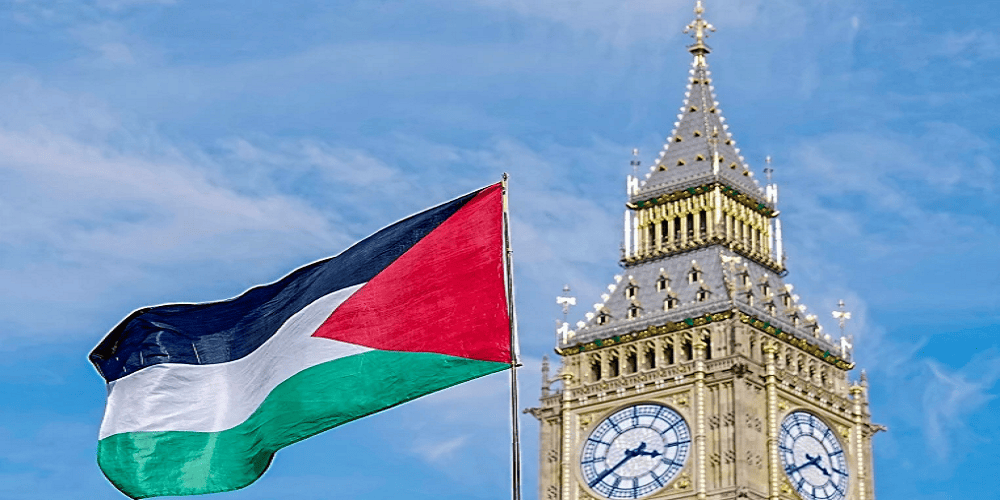
The idea of a Palestinian state is one of the most complex and debated issues in global politics. It represents not just a geographical or political aspiration but a struggle for self-determination, identity, and peace in a region that has been at the center of conflict for decades. The term “Palestinian state” generally refers to the proposed independent state that Palestinians have sought to establish in the West Bank, East Jerusalem, and Gaza Strip — areas that were part of historic Palestine before the 1948 Arab-Israeli war. This long-standing issue continues to shape international diplomacy, regional security, and humanitarian concerns.
This comprehensive guide explores the historical background, political efforts, peace negotiations, international recognition, and the future prospects of a Palestinian state.
Historical Background
Pre-1948 Palestine
Before the creation of Israel in 1948, Palestine was a geographic region located on the eastern coast of the Mediterranean Sea, encompassing modern-day Israel, the West Bank, Gaza, and parts of Jordan. For centuries, it was home to diverse populations, including Arabs (Muslims and Christians) and Jews. During the late Ottoman Empire and the British Mandate period (1917-1948), tensions rose as both Arabs and Jews claimed the right to self-determination.
The Creation of Israel and the Nakba
In 1947, the United Nations proposed a partition plan dividing the land into separate Jewish and Arab states, with Jerusalem under international control. The Jewish leadership accepted the plan, but the Arab side rejected it, arguing it was unfair because it allocated a disproportionate share of land to the Jewish minority.
In 1948, following the British withdrawal, Israel declared independence. The surrounding Arab nations launched a war, which resulted in a decisive Israeli victory. During this conflict, over 700,000 Palestinians were displaced, an event they refer to as the Nakba (catastrophe). Most fled to neighboring Arab countries or into the West Bank and Gaza Strip.
The Occupation and Palestinian Struggle
Following the 1948 war, the West Bank came under Jordanian control, and the Gaza Strip was administered by Egypt. The situation changed dramatically after the 1967 Six-Day War when Israel captured the West Bank, Gaza, East Jerusalem, the Golan Heights, and Sinai Peninsula. This military occupation became the foundation of the modern Palestinian struggle for statehood.
Palestinians began organizing politically and militarily through the Palestine Liberation Organization (PLO), formed in 1964. The PLO, under the leadership of Yasser Arafat, became the main representative body for Palestinians worldwide and called for the establishment of an independent Palestinian state.
The Two-State Solution
The two-state solution is the most widely discussed proposal for resolving the Israeli-Palestinian conflict. It envisions an independent Palestinian state existing peacefully alongside Israel. The borders are typically based on the pre-1967 lines, with mutually agreed land swaps to account for major Israeli settlements.
This idea gained significant traction after the Oslo Accords (1993-1995), which were a series of agreements between Israel and the PLO. The accords established the Palestinian Authority (PA), a semi-autonomous governing body responsible for parts of the West Bank and Gaza. Oslo was hailed as a breakthrough, but its implementation stalled, and final-status issues such as borders, Jerusalem, refugees, and security remain unresolved.
International Recognition of Palestine
In 1988, the PLO unilaterally declared the establishment of the State of Palestine. Since then, more than 135 countries have recognized it diplomatically. In 2012, the United Nations General Assembly granted Palestine non-member observer state status, a symbolic but significant victory that allowed Palestinians to join international treaties and organizations.
However, major powers such as the United States, the United Kingdom, and most Western European nations have not recognized Palestine as a full state, instead supporting negotiations as the path to statehood. Israel opposes unilateral recognition, insisting that statehood must result from direct peace talks.
Challenges to Palestinian Statehood
Israeli Settlements
One of the main obstacles to a viable Palestinian state is the continued expansion of Israeli settlements in the West Bank and East Jerusalem. These settlements are considered illegal under international law (though Israel disputes this). They fragment Palestinian territory, making the creation of a contiguous state more difficult.
Division Between Palestinian Factions
Political divisions within the Palestinian leadership have also hindered progress. The Fatah party controls the West Bank through the Palestinian Authority, while Hamas, an Islamist movement, governs Gaza. This split has weakened Palestinian negotiating power and created different political and security realities in the two territories.
Security Concerns
Israel insists that any future Palestinian state must not pose a security threat. This demand has led to debates about demilitarization, control of borders, and Israeli security presence in the Jordan Valley — issues that Palestinians view as infringements on their sovereignty.
International Politics
Global powers have competing interests in the region, which complicates negotiations. The United States has historically been Israel’s strongest ally, while many countries in the Global South and the Arab League have backed Palestinian aspirations. Changes in Middle Eastern geopolitics, such as normalization agreements between Israel and several Arab states, have shifted the dynamics further.
Humanitarian and Economic Aspects
The humanitarian dimension of the Palestinian statehood issue is profound. Millions of Palestinians live as refugees, stateless individuals, or under occupation. The Gaza Strip faces a severe blockade, limiting movement of goods and people, leading to economic hardship and high unemployment. The West Bank faces frequent military checkpoints, which restrict mobility and economic development.
International donors, including the European Union and the United Nations, have provided substantial aid to sustain the Palestinian economy and institutions. However, aid dependency is not a sustainable solution, and many argue that only a political resolution will allow Palestinians to achieve economic self-sufficiency.
The Future of the Palestinian State
The future of a Palestinian state is uncertain. Some analysts argue that the two-state solution is becoming increasingly difficult due to settlement expansion and political stalemate. Others suggest alternatives such as a confederation model, a single binational state, or interim arrangements to improve conditions on the ground.
Peace initiatives have come and gone, but core issues remain unresolved. The path forward will likely require strong political will, international mediation, and grassroots support from both Israelis and Palestinians who favor coexistence over perpetual conflict.
Conclusion
The quest for a Palestinian state is not just a regional issue but a global one. It touches upon principles of justice, human rights, and international law. While decades of negotiations, wars, and peace processes have yet to yield a final resolution, the aspiration for statehood continues to drive Palestinian political and social life. Whether through a two-state solution, a shared state, or some other innovative arrangement, the challenge lies in reconciling two national movements with deep historical claims to the same land.
The international community, regional powers, and the parties themselves must work toward a solution that respects the rights and security of both peoples. Only then can the vision of a Palestinian state move from aspiration to reality.
FAQs on Palestinian State
Q1: What is meant by the Palestinian state?
A Palestinian state refers to the proposed independent nation for the Palestinian people, primarily in the West Bank, Gaza Strip, and East Jerusalem.
Q2: Is Palestine currently recognized as a state?
Yes, more than 135 countries recognize Palestine as a state. However, it is not a full member of the United Nations, holding only non-member observer state status.
Q3: What is the two-state solution?
The two-state solution envisions Israel and Palestine existing as two separate, sovereign states, typically based on pre-1967 borders with agreed land swaps.
Q4: Why is there no Palestinian state yet?
The absence of a Palestinian state is due to a combination of factors, including Israeli occupation, settlement expansion, security concerns, political divisions among Palestinians, and failed peace negotiations.
Q5: Who governs the Palestinian territories?
The West Bank is administered by the Palestinian Authority under President Mahmoud Abbas, while the Gaza Strip is controlled by Hamas.
Q6: What role does the international community play?
The international community provides financial aid, diplomatic recognition, and mediation in peace efforts, though global powers often have differing policies on the conflict.
Q7: Can a one-state solution work?
Some propose a single democratic state for both Israelis and Palestinians, but this faces political resistance from both sides due to concerns about identity, demographics, and governance.
Q8: What are the main issues blocking peace?
Key issues include final borders, the status of Jerusalem, the right of return for Palestinian refugees, Israeli security concerns, and the future of settlements.
Leave A Comment
0 Comment