
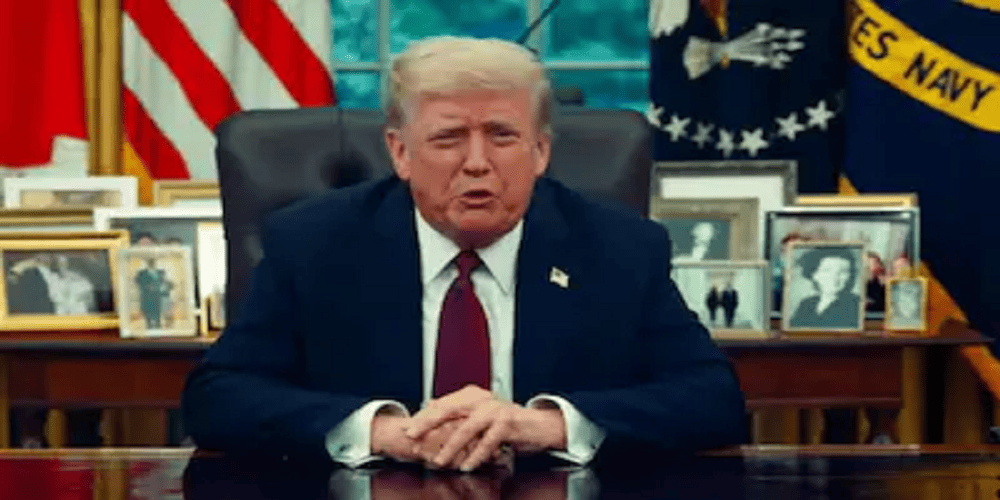
Artificial Intelligence (AI) has revolutionized the way we create, consume, and interact with digital media. One of the most talked-about applications is the rise of AI-generated videos, often called deepfakes. In recent years, the term “Trump AI video” has made global headlines, sparking debates about misinformation, satire, ethics, and the blurred line between reality and fabrication. Whether it’s an AI-generated clip of former U.S. President Donald Trump making unusual statements, a parody video created with deepfake tools, or campaign content crafted using generative AI, the implications are far-reaching.
This article explores the phenomenon of Trump AI videos, their technological background, ethical concerns, political impact, and what this means for the future of democracy and digital communication.
1. The Rise of AI-Generated Content
AI technology has advanced dramatically, with deep learning models now capable of generating lifelike videos, voices, and facial expressions. Tools like deepfake generators, text-to-video platforms, and AI voice synthesis can recreate anyone’s likeness with minimal input data.
-
Deepfake Technology: This relies on neural networks to map one person’s face onto another’s body in a video.
-
Voice Cloning: AI models can replicate a person’s speech patterns and tone with just a few minutes of recorded audio.
-
Text-to-Video AI: Emerging platforms allow creators to generate realistic videos from written prompts.
For celebrities and politicians like Donald Trump, this technology is often used to create both comedic satire and deceptive misinformation.
2. What is a “Trump AI Video”?
A “Trump AI video” generally refers to any video in which Donald Trump appears but is generated, manipulated, or enhanced using artificial intelligence. These videos can fall into different categories:
-
Parody & Satire Videos – Created for entertainment, often exaggerating Trump’s mannerisms or speech.
-
Political Propaganda – AI-generated clips shared during campaigns to influence voters.
-
Misinformation Videos – Fake content designed to deceive audiences into believing Trump said or did something he never did.
-
Educational & Experimental Videos – Produced by researchers or creators showcasing AI’s potential and risks.
The impact of such videos is amplified because Trump is a globally recognized figure, making AI-generated clips of him spread rapidly across social media.
3. Why Trump AI Videos Go Viral
Several factors contribute to the virality of Trump AI videos:
-
Familiar Personality: Trump’s recognizable voice, gestures, and catchphrases make AI replicas immediately noticeable.
-
Political Polarization: Both supporters and critics share such videos widely, whether to mock or to defend him.
-
Entertainment Value: Satirical AI videos are humorous and engaging, leading to massive shares online.
-
Shock Factor: Misinformation-based AI videos often generate outrage, attracting more attention.
Platforms like Twitter (X), YouTube, and TikTok are breeding grounds for such viral content.
4. The Ethical Debate Around AI-Generated Trump Videos
AI-generated videos raise significant ethical and moral questions, especially when political leaders are involved.
-
Misinformation Risk: Fake videos can be mistaken for real, leading to misinformation during elections or crises.
-
Defamation & Reputation Damage: Trump, like any public figure, can suffer reputational harm if AI videos depict him falsely.
-
Freedom of Speech vs. Harm: Satire is protected under free speech, but where is the line between humor and harmful deception?
-
AI Accountability: Who should be held responsible for creating and distributing misleading AI content—the creator, the platform, or the AI tool developers?
Governments, tech companies, and legal experts are still grappling with how to regulate such content.
5. Political Impact of Trump AI Videos
AI videos of Trump have had tangible effects on politics:
-
Election Campaigns: During U.S. election cycles, AI videos are weaponized to either support or undermine candidates.
-
Public Trust: If people cannot distinguish real footage from AI-generated fakes, trust in media declines.
-
Propaganda & Manipulation: Rival groups can deploy AI-generated Trump clips to influence public opinion, especially in swing states.
-
International Relations: Fake Trump AI videos circulated globally can affect U.S. diplomacy and how world leaders perceive America.
The political impact goes beyond Trump himself—these videos highlight how AI may shape the future of elections.
6. Real vs. Fake: The Challenge of Detection
Spotting a fake Trump AI video isn’t always easy, but some methods exist:
-
Visual Clues: Look for unnatural blinking, mismatched lip movements, or odd lighting.
-
Audio Analysis: AI-generated voices sometimes lack emotional depth or sound robotic.
-
Source Verification: Check if the video comes from reputable news outlets or suspicious online accounts.
-
AI Detection Tools: Platforms like Deepware Scanner and Reality Defender are being developed to flag deepfakes.
As AI improves, detection becomes harder, making digital literacy more important than ever.
7. Memes, Satire, and Comedy: The Lighter Side
Not all Trump AI videos are harmful. Many are created purely for humor:
-
AI Trump singing pop songs.
-
Trump giving motivational speeches in unexpected styles.
-
Parody debates between AI Trump and AI versions of other politicians.
These videos are shared widely as entertainment and often spark conversations about both politics and technology.
8. Legal and Regulatory Challenges
Legal systems worldwide are struggling to catch up with the rise of AI-generated political content. Key challenges include:
-
Defamation Laws: Can Trump or other public figures sue creators of damaging AI videos?
-
Election Laws: Should AI-generated campaign content be disclosed as such?
-
Content Moderation: How much responsibility lies with social media platforms to remove misleading AI videos?
-
International Jurisdiction: Since videos spread globally, which country’s laws should apply?
The U.S. Federal Election Commission (FEC) and other bodies are already discussing new rules to govern AI-generated political ads.
9. The Role of Social Media in Spreading Trump AI Videos
Social platforms amplify the reach of AI-generated Trump videos. Algorithms prioritize content that sparks engagement, meaning controversial AI videos often go viral faster.
-
Twitter (X): A hotspot for political memes and AI videos.
-
YouTube: Hosts long-form AI-generated Trump parodies and documentaries.
-
TikTok: Short AI clips of Trump are massively popular with younger audiences.
-
Facebook & Instagram: Used for targeted political ads featuring AI content.
Platforms face pressure to label AI-generated media clearly to reduce confusion.
10. The Future of Trump AI Videos and Political Deepfakes
As AI evolves, Trump AI videos are likely to become:
-
More Realistic: Advances in generative AI will make it nearly impossible to tell real from fake.
-
More Widespread: Politicians worldwide will be targeted, not just Trump.
-
Heavily Regulated: Expect stronger policies requiring disclaimers on AI-generated political content.
-
Used for Education: AI Trump videos could be repurposed for teaching media literacy and critical thinking.
The future will require a balance between innovation, humor, and ethical responsibility.
Conclusion
The phenomenon of the Trump AI video is more than just a meme trend—it’s a reflection of the digital era’s challenges. AI has given creators the ability to generate convincing videos that can entertain, mislead, or manipulate. With Trump being one of the most polarizing figures of modern times, AI videos of him continue to grab global attention, shaping political conversations and raising ethical concerns.
Society must now decide how to regulate, consume, and respond to AI-generated political media. Whether viewed as dangerous misinformation or harmless satire, Trump AI videos symbolize the new frontier where politics meets technology.
FAQs About Trump AI Videos
Q1. What exactly is a Trump AI video?
A Trump AI video is any video featuring Donald Trump that has been generated, altered, or enhanced using artificial intelligence, often through deepfake or voice-cloning technology.
Q2. Are Trump AI videos legal?
It depends on the purpose. Parody and satire generally fall under free speech protections, but misleading or defamatory AI videos can raise legal issues, especially during elections.
Q3. How can I tell if a Trump video is AI-generated?
Look for signs like unnatural movements, robotic-sounding voices, or suspicious sources. AI detection tools can also help verify authenticity.
Q4. Can Trump AI videos influence elections?
Yes. Misinformation-based AI videos can sway voters, reduce trust in media, and amplify political polarization. This is why regulators are considering stricter rules.
Q5. Will AI make it impossible to trust videos in the future?
Not entirely. While AI will make fake videos more convincing, detection technology and mandatory labeling policies are being developed to help audiences distinguish real from fake.
Leave A Comment
0 Comment