
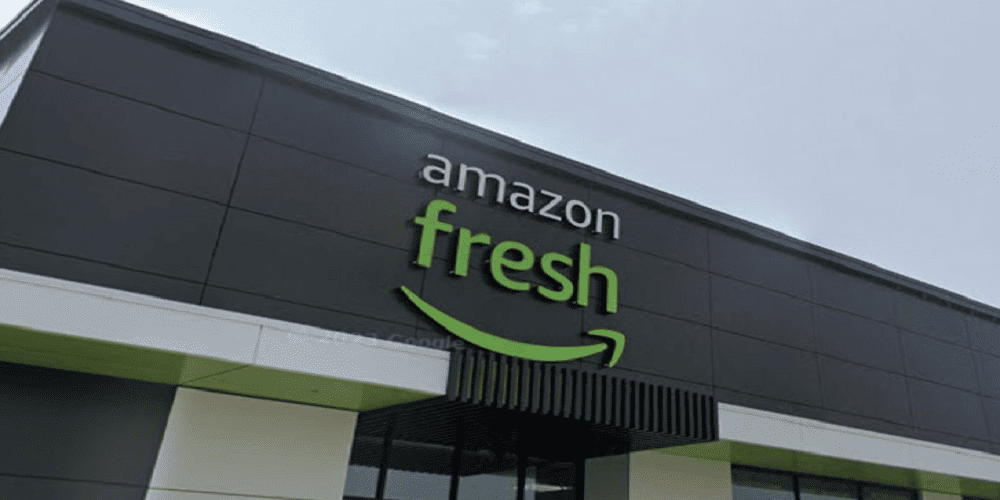
The news about Amazon Fresh grocery stores closing has sparked widespread discussion across the retail and grocery sectors. Amazon, long known for disrupting industries through innovation and scale, made a bold entry into physical grocery retail with its Amazon Fresh stores. These outlets promised a technology-driven shopping experience, cashier-less checkout options, and a fresh approach to food retail. However, recent developments surrounding Amazon Fresh grocery stores closing show that even major corporations must continually adapt their strategies.
This shift is not just about store shutdowns. It reflects changing consumer habits, rising operational costs, evolving competition, and Amazon’s broader retail priorities. Understanding why Amazon Fresh grocery stores closing is happening provides valuable insight into the future of grocery retail.
The Rise of Amazon Fresh Stores
Amazon Fresh grocery stores were introduced as a physical extension of Amazon’s online grocery delivery business. The concept blended digital convenience with brick-and-mortar accessibility. Customers could shop traditionally or use advanced technologies like Just Walk Out checkout, smart carts, and app-based features.
When Amazon Fresh stores first opened, they were seen as a serious challenge to traditional supermarkets. The brand leveraged Amazon’s logistics network, customer data, and Prime ecosystem. Early enthusiasm suggested Amazon could reshape grocery retail much like it did with books and electronics.
Yet, the reality of running physical grocery stores proved far more complex. The announcement of Amazon Fresh grocery stores closing highlights the operational and economic challenges that come with scaling physical retail locations.
Why Are Amazon Fresh Grocery Stores Closing?
Several factors contribute to Amazon Fresh grocery stores closing, and they reveal broader industry trends.
1. High Operating Costs
Grocery stores operate on thin margins. Rent, refrigeration, staffing, and inventory management are costly. Even with Amazon’s efficiency, maintaining profitability across multiple locations is difficult. Rising inflation and supply chain disruptions have added pressure, making Amazon Fresh grocery stores closing a financial decision in some regions.
2. Changing Consumer Behavior
During the pandemic, online grocery shopping surged. But as restrictions eased, many consumers returned to traditional shopping habits while still expecting competitive prices. Amazon Fresh stores had to compete with established supermarkets offering lower prices and local familiarity. In areas where foot traffic was weaker than expected, Amazon Fresh grocery stores closing became a logical outcome.
3. Strategic Refocus by Amazon
Amazon frequently experiments, evaluates, and adjusts. The company has shifted focus toward improving existing high-performing locations and enhancing online grocery delivery. Instead of rapid expansion, Amazon appears to be refining its physical retail strategy, which partly explains Amazon Fresh grocery stores closing in underperforming markets.
4. Technology Costs vs. Benefits
Amazon Fresh locations featured advanced technology, including smart carts and cashier-less checkout systems. While innovative, these systems are expensive to install and maintain. In some stores, customer adoption may not have justified the investment, contributing to decisions around Amazon Fresh grocery stores closing.
Impact on Employees
Whenever Amazon Fresh grocery stores closing occurs, employees are directly affected. Store closures often lead to layoffs, relocations, or role changes. Amazon has stated in past closures that it tries to offer workers positions in other locations or departments, but transitions are not always smooth.
Retail jobs provide essential income for many communities. Therefore, Amazon Fresh grocery stores closing can have ripple effects, especially in areas where employment options are limited. Local economies may feel the loss through reduced spending and fewer job opportunities.
What It Means for Customers
For shoppers, Amazon Fresh grocery stores closing can be inconvenient, particularly in neighborhoods where these stores offered unique features or competitive pricing. Customers who relied on tech-driven shopping or Prime member discounts may need to adjust their routines.
However, Amazon continues to operate online grocery services and Whole Foods Market locations. So while Amazon Fresh grocery stores closing reduces physical options in some areas, Amazon’s grocery presence is far from disappearing.
Customers may also benefit indirectly. By closing weaker locations, Amazon can focus resources on improving product selection, delivery speed, and in-store experiences at remaining stores.
Competition in the Grocery Industry
The trend of Amazon Fresh grocery stores closing underscores how competitive the grocery sector has become. Traditional supermarkets, discount chains, warehouse clubs, and specialty grocers all compete aggressively on price, quality, and convenience.
Retailers like Walmart, Kroger, Aldi, and Costco have strong supply chains and deep local roots. They also continue to invest in digital ordering and curbside pickup. In this environment, even a giant like Amazon faces stiff competition, which plays a role in Amazon Fresh grocery stores closing decisions.
Lessons for Retailers
There are important lessons to learn from Amazon Fresh grocery stores closing.
Experimentation Has Limits
Innovation is essential, but not every concept scales successfully. Retailers must balance technology investments with proven operational models.
Location Matters
Foot traffic, demographics, and local competition greatly influence performance. Some Amazon Fresh grocery stores closing may reflect miscalculations in site selection.
Omnichannel Strategy Is Key
Consumers want flexibility. Retailers that blend online ordering, delivery, pickup, and in-store shopping effectively are more likely to thrive. Amazon is still strong in this area, even as Amazon Fresh grocery stores closing reshapes its physical footprint.
The Future of Amazon’s Grocery Strategy
Despite headlines about Amazon Fresh grocery stores closing, Amazon remains committed to grocery retail. The company continues to refine its approach, investing in technology that improves efficiency and customer experience.
Future stores may be smaller, better located, and more closely integrated with Amazon’s delivery network. Instead of rapid expansion, we may see more targeted growth. In this sense, Amazon Fresh grocery stores closing could represent a strategic reset rather than a retreat.
Community Reactions
Communities often react strongly to Amazon Fresh grocery stores closing. Some residents worry about losing convenient access to fresh food, particularly in urban or underserved areas. Others see closures as part of the natural retail cycle.
Local governments may also feel the impact through reduced tax revenue. Still, empty retail spaces often attract new tenants over time, and other grocery chains may step in where Amazon Fresh grocery stores closing leaves gaps.
Broader Retail Trends
The story of Amazon Fresh grocery stores closing fits into wider retail trends:
- Physical stores must justify their costs through strong sales and customer loyalty
- Technology enhances shopping but must deliver clear value
- Hybrid shopping models are becoming standard
- Retailers are focusing on profitability rather than just expansion
Many companies are reevaluating store networks, not just Amazon. Therefore, Amazon Fresh grocery stores closing is part of a larger transformation in how people buy groceries.
Investor Perspective
From an investor standpoint, Amazon Fresh grocery stores closing can be seen as disciplined management. Instead of maintaining underperforming assets, Amazon is reallocating resources. Investors often prefer strategic consolidation over unprofitable growth.
This approach may strengthen Amazon’s long-term grocery position, even if Amazon Fresh grocery stores closing creates short-term negative headlines.
Technology Still Matters
Although some technology-heavy stores are affected by Amazon Fresh grocery stores closing, innovation remains central to Amazon’s identity. The company will likely continue testing automation, AI-driven inventory systems, and faster checkout solutions.
Future success will depend on finding the right balance between technology and affordability. If systems reduce labor costs and improve speed without driving prices up, they may appear in new store formats even after Amazon Fresh grocery stores closing.
What Shoppers Should Expect Next
Shoppers can expect Amazon to refine rather than abandon its grocery ambitions. Even with Amazon Fresh grocery stores closing, Amazon Fresh online delivery, Whole Foods integration, and Prime benefits remain key parts of the strategy.
We may see improved delivery windows, expanded product ranges, and better digital tools. Physical stores that remain open could receive upgrades as Amazon concentrates efforts where performance is strongest.
Conclusion
The development of Amazon Fresh grocery stores closing highlights the realities of modern retail. Even industry leaders must adapt to shifting consumer habits, cost pressures, and competitive forces. These closures do not signal the end of Amazon in grocery; rather, they represent a strategic adjustment aimed at long-term sustainability.
For customers, employees, and competitors, Amazon Fresh grocery stores closing is a reminder that retail is constantly evolving. The grocery store of the future will likely combine physical convenience with digital intelligence, and Amazon is still very much part of shaping that future.
FAQs
1. Why are Amazon Fresh grocery stores closing?
Amazon Fresh grocery stores closing is largely due to high operating costs, strategic restructuring, and efforts to focus on more profitable locations and online grocery services.
2. Are all Amazon Fresh stores shutting down?
No, Amazon Fresh grocery stores closing applies only to select underperforming locations. Many stores remain open, and Amazon continues its grocery operations through other channels.
3. How does Amazon Fresh grocery stores closing affect employees?
Employees may face transfers, layoffs, or role changes. Amazon typically tries to place affected workers in other positions, but impacts vary by location.
4. Will Amazon stop selling groceries?
No. Despite Amazon Fresh grocery stores closing, Amazon still operates Whole Foods, Amazon Fresh delivery, and other grocery services.
5. What does this mean for grocery prices?
Amazon Fresh grocery stores closing may lead Amazon to focus on efficiency, which could help keep prices competitive in remaining stores and online platforms.
6. Is this a sign Amazon’s grocery strategy failed?
Not necessarily. Amazon Fresh grocery stores closing appears to be a strategic adjustment rather than a complete withdrawal from grocery retail.
7. Will Amazon open new grocery stores in the future?
It is possible. After Amazon Fresh grocery stores closing in some areas, Amazon may open redesigned or better-located stores as part of a refined strategy.
8. How does this impact competition?
Amazon Fresh grocery stores closing gives traditional grocers some relief in certain markets, but Amazon remains a strong competitor through digital grocery services.
9. Are technology features like cashier-less checkout going away?
Not entirely. Even with Amazon Fresh grocery stores closing, Amazon continues to develop retail technology that may appear in future store formats.
10. What should customers do if their local store closes?
Customers affected by Amazon Fresh grocery stores closing can switch to Amazon Fresh online delivery, visit Whole Foods, or explore other local grocery options.
Leave A Comment
0 Comment