
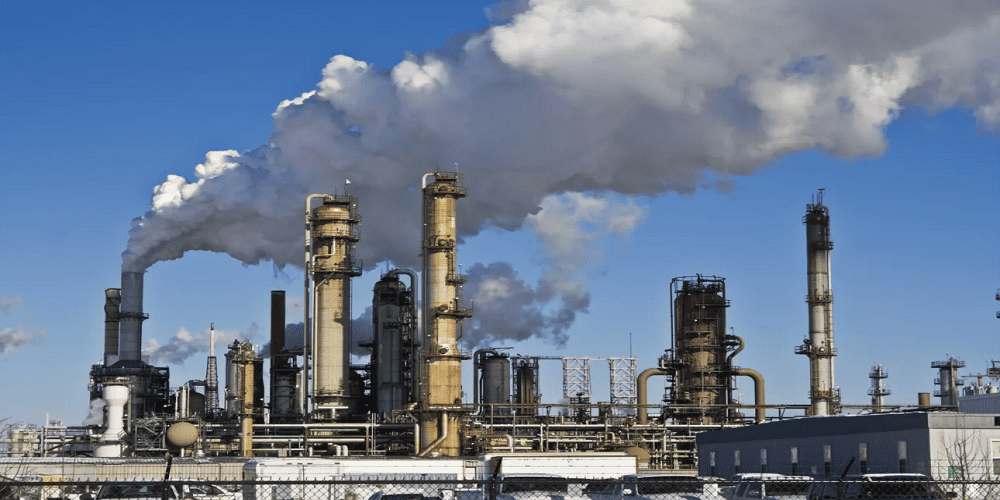
Refineries play a crucial role in the global energy sector, transforming crude oil into valuable products that fuel economies, industries, and everyday life. Among the largest and most influential refining operations in the world, Chevron’s network of refineries has a major impact on energy markets, communities, and the environment. This article provides a comprehensive exploration of Chevron’s refineries, their operations, history, challenges, and the future role they play in a rapidly changing energy landscape.
Introduction to Chevron Corporation
Chevron Corporation is one of the world’s leading integrated energy companies, with operations spanning exploration, production, refining, and marketing of petroleum products. Headquartered in San Ramon, California, Chevron operates across more than 180 countries and manages a wide network of oil and gas assets. Its refining operations are critical to the company’s value chain, enabling the transformation of crude oil into usable products such as gasoline, diesel, jet fuel, lubricants, and petrochemicals.
The company’s refining segment is structured under its "Downstream" operations, which also include marketing, lubricants, and trading. Chevron’s refineries are strategically located to serve markets in North America, Asia-Pacific, and Africa.
The Role of Refineries in Energy Supply
Refineries are complex industrial facilities where crude oil undergoes processing through distillation, cracking, reforming, and treatment. These processes separate crude oil into components based on boiling points, and then transform heavy fractions into lighter, more valuable products.
Key products from Chevron refineries include:
- Gasoline: Fuel for automobiles, one of the highest-demand products globally.
- Diesel: Used in trucks, shipping, and industrial equipment.
- Jet Fuel: Critical for aviation.
- Liquefied Petroleum Gas (LPG): Used in cooking, heating, and petrochemical feedstock.
- Lubricants: Essential for machinery, vehicles, and industrial operations.
- Asphalt and Residual Fuels: Used in construction and power generation.
Without refining, crude oil would have little practical value. Chevron’s refineries therefore serve as a backbone of modern energy infrastructure.
Chevron’s Refinery Network
Chevron operates refineries across multiple continents. The company’s major refining assets are located in the United States, Asia-Pacific, and Africa. Some of the key refineries include:
1. Richmond Refinery (California, USA)
Located in the San Francisco Bay Area, the Richmond Refinery is one of Chevron’s oldest and largest facilities. Built in 1902, it processes about 245,000 barrels of crude oil per day. The refinery produces gasoline, jet fuel, diesel, and lubricants for California and other markets. Due to its location in a densely populated region, the refinery has been a subject of environmental and community discussions.
2. Pascagoula Refinery (Mississippi, USA)
This refinery, located on the Gulf Coast, is Chevron’s largest U.S. refinery, with a capacity of around 350,000 barrels per day. It is one of the top ten largest refineries in the United States. Pascagoula produces a wide range of products and exports significant volumes internationally due to its access to deepwater shipping.
3. El Segundo Refinery (California, USA)
Situated near Los Angeles International Airport, this refinery has a capacity of about 269,000 barrels per day. It plays a critical role in supplying Southern California with fuels and aviation products.
4. Kapolei Refinery (Hawaii, USA) – Closed in 2020
Chevron previously operated a refinery in Hawaii, but in 2020 the company exited refining in the state due to market challenges.
5. Burnaby Refinery (British Columbia, Canada)
This refinery supplies fuels to western Canada and has a smaller capacity compared to Chevron’s U.S. operations.
6. Refinery Interests in Asia-Pacific and Africa
Chevron owns and operates refineries or joint ventures in Singapore, Thailand, South Africa, and other regions, enabling the company to serve fast-growing energy markets in Asia and beyond.
Refining Capacity and Global Presence
Chevron’s total refining capacity exceeds 1.8 million barrels per day, placing it among the top global refiners. However, Chevron has historically focused more on upstream production and integrated operations rather than competing purely as a refining giant like ExxonMobil or Shell.
Refineries are strategically located near crude oil supply hubs, shipping lanes, and major consumer markets. This ensures Chevron can supply fuels efficiently and remain competitive in regional and global markets.
Environmental and Community Impact
Refineries, while essential, often raise environmental concerns. Chevron refineries have been at the center of debates around air quality, water use, and community health.
Key environmental issues include:
- Air Emissions: Refineries emit pollutants such as sulfur dioxide, nitrogen oxides, volatile organic compounds, and particulates. Chevron has invested in emission control technologies to meet regulatory standards.
- Greenhouse Gas Emissions: Refining is carbon-intensive. Chevron has pledged to reduce its carbon footprint and invest in carbon capture technologies.
- Water Pollution: Wastewater management and accidental leaks are concerns, especially in coastal refineries.
- Community Health and Safety: Accidents, such as the 2012 fire at the Richmond Refinery, have highlighted safety risks. Chevron has since made safety upgrades and strengthened engagement with local communities.
Chevron has also invested in environmental restoration projects and renewable energy initiatives near its refineries. For example, the Richmond Refinery has solar panels on-site and funds community programs for education and workforce development.
Refinery Accidents and Safety Measures
Due to the complex and hazardous nature of refining, accidents can occur despite safety measures. Chevron has faced several high-profile incidents, including:
- 2012 Richmond Refinery Fire: A pipe leak caused a fire that released smoke over residential areas. Thousands of residents sought medical attention. The incident led to lawsuits, fines, and increased scrutiny of refinery safety.
- Worker Safety Concerns: Refineries use hazardous chemicals and high-pressure systems. Chevron invests heavily in safety training and equipment to reduce risks.
To address these challenges, Chevron has implemented stricter safety protocols, enhanced monitoring systems, and predictive maintenance technologies to detect risks before they escalate.
Chevron Refinery Economics
Refining is a cyclical business influenced by crude oil prices, demand for petroleum products, and global economic conditions. Chevron’s refining margins fluctuate based on the "crack spread," which is the difference between crude oil costs and refined product prices.
Chevron’s downstream operations provide balance to its upstream business. When crude oil prices are high, upstream profits grow, but downstream margins may shrink. Conversely, when crude oil prices fall, refining profits often increase as feedstock becomes cheaper. This balance stabilizes Chevron’s overall earnings.
Technological Innovations in Chevron Refineries
Chevron continues to modernize its refining operations with cutting-edge technology, including:
- Digital Monitoring: Sensors and artificial intelligence predict equipment failures and optimize production.
- Hydrocracking and Reforming: Advanced processes improve fuel quality and maximize yield.
- Energy Efficiency Programs: Chevron has reduced energy use in refining through heat recovery systems and improved process design.
- Biofuels Integration: Some refineries are testing renewable fuel blends, including biodiesel and renewable diesel.
The Future of Chevron Refineries
The global energy transition poses major questions for traditional refiners. Demand for gasoline and diesel may plateau or decline in the coming decades due to electric vehicles, renewable energy, and climate policies. However, refineries will remain crucial for aviation, petrochemicals, and developing economies.
Chevron’s future refinery strategy includes:
- Producing Renewable Fuels: Converting facilities to process vegetable oils, animal fats, and waste oils into renewable diesel and sustainable aviation fuel.
- Carbon Capture and Storage (CCS): Implementing CCS at refinery sites to reduce emissions.
- Hydrogen Development: Exploring hydrogen production as both a fuel and a refining input.
- Petrochemicals Expansion: Increasing capacity for plastics, chemicals, and specialty products that are less affected by electrification.
Chevron has acknowledged the need to balance traditional refining with new technologies that align with global climate goals.
Community Engagement and Social Responsibility
Chevron invests in local communities around its refineries through initiatives such as:
- Education Programs: Scholarships, STEM programs, and training for youth.
- Workforce Development: Job training and partnerships with local colleges.
- Environmental Programs: Urban greening, renewable energy projects, and habitat restoration.
- Public Health: Support for clinics, health screenings, and emergency preparedness.
Chevron’s efforts aim to build stronger relationships with communities that often face environmental justice concerns.
Challenges Ahead
Chevron faces several challenges in refining, including:
- Regulatory Pressure: Stricter emissions rules increase compliance costs.
- Public Opposition: Communities near refineries demand cleaner air and accountability.
- Global Energy Transition: Declining oil demand could reduce long-term profitability.
- Competition: Emerging refiners in Asia and the Middle East offer lower costs and newer facilities.
Despite these challenges, Chevron’s global scale and financial strength allow it to adapt.
Conclusion
Chevron’s refineries are vital to global energy supply, regional economies, and the corporation’s overall strategy. They produce the fuels and products that keep transportation, industry, and households running, while also facing growing scrutiny over environmental and community impacts.
Looking ahead, Chevron will need to balance its traditional refining business with the demands of a low-carbon future. By integrating renewable fuels, investing in carbon capture, and improving efficiency, Chevron’s refineries can continue to play an important role in the evolving global energy system.
FAQs on Chevron Refinery
1. What does Chevron’s refinery do?
Chevron’s refineries process crude oil into usable products like gasoline, diesel, jet fuel, lubricants, and petrochemicals.
2. Where is Chevron’s largest refinery?
Chevron’s largest refinery in the United States is in Pascagoula, Mississippi, with a capacity of around 350,000 barrels per day.
3. What happened at the Chevron Richmond Refinery in 2012?
A fire caused by a corroded pipe led to significant smoke emissions, prompting thousands of local residents to seek medical care. The incident resulted in fines and legal settlements.
4. How is Chevron addressing environmental concerns at its refineries?
Chevron invests in emission reduction technologies, renewable fuels, carbon capture, and community programs to reduce environmental impacts.
5. Does Chevron produce renewable fuels at its refineries?
Yes, Chevron has begun producing renewable diesel and exploring sustainable aviation fuel as part of its long-term strategy.
6. How many barrels of crude oil does Chevron refine daily?
Chevron’s refining capacity exceeds 1.8 million barrels per day across its global network.
7. Why did Chevron close its Hawaii refinery?
Chevron exited refining in Hawaii due to market challenges and competition from imports, converting its focus to fuel distribution instead.
8. What products besides fuels are made in Chevron refineries?
Chevron also produces lubricants, petrochemicals, asphalt, and other specialty products.
9. What challenges do Chevron refineries face?
Key challenges include environmental regulations, community concerns, fluctuating crude oil prices, and competition from global refiners.
10. What is the future of Chevron refineries in the energy transition?
Chevron is shifting toward renewable fuels, carbon capture, hydrogen, and petrochemical production to adapt to declining demand for traditional fuels.
Leave A Comment
0 Comment