
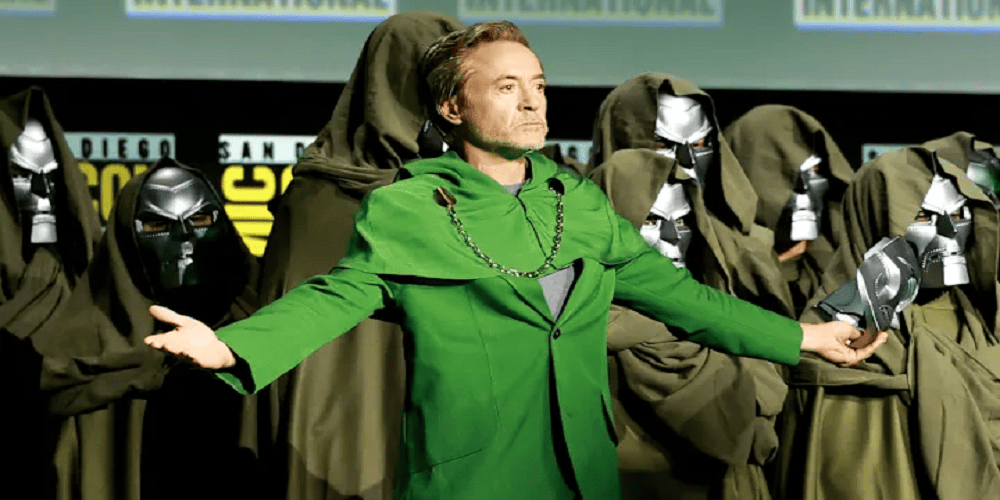
The Marvel Cinematic Universe (MCU) has been one of the most successful and expansive franchises in film and television history. For more than a decade, Marvel Studios has dominated the box office, streaming platforms, and global pop culture. However, over the last few years, there has been a noticeable shift. With changing fan expectations, critical reception, and financial performance, reports about the MCU officially canceling certain projects have gained momentum.
When fans hear the phrase “MCU officially cancels,” it sparks debates, rumors, and sometimes even panic. After all, this cinematic universe has shaped the modern superhero genre and influenced how audiences consume blockbuster entertainment. But cancellations are not always bad—they often reflect strategic decisions about where the MCU should head next.
This in-depth article explores what it really means when the MCU officially cancels projects, the reasons behind such decisions, examples of shows and films that have been scrapped, and what it reveals about the franchise’s future.
Understanding the MCU’s Current Position
The MCU started in 2008 with Iron Man, which became an unexpected success and set the tone for interconnected storytelling. Over the years, the MCU expanded into three main phases known collectively as the Infinity Saga. This saga culminated in Avengers: Endgame (2019), one of the highest-grossing movies of all time.
However, post-Endgame, the MCU has struggled to replicate the same magic. While films like Spider-Man: No Way Home (2021) delivered massive box office results, many other projects—such as Eternals (2021), Ant-Man and the Wasp: Quantumania (2023), and some Disney+ shows—were met with mixed reactions.
The challenges include:
- Franchise fatigue: With so many interconnected stories, casual viewers sometimes feel overwhelmed.
- Streaming saturation: Disney+ shows initially generated excitement but later faced criticism for pacing issues.
- Creative overload: The push to release multiple projects per year diluted the MCU’s signature quality.
- Competition: Other studios and franchises are also pushing for dominance in the superhero space.
Against this backdrop, Marvel Studios has been forced to rethink its strategies. This includes delays, reshoots, reorganizations, and in some cases—official cancellations.
What Does “MCU Officially Cancels” Mean?
When fans see headlines like MCU officially cancels, it doesn’t necessarily mean the entire Marvel Cinematic Universe is coming to an end. Instead, it usually refers to specific projects—movies, shows, or spin-offs—that are being scrapped, postponed indefinitely, or reworked into something else.
Official cancellation announcements typically come from:
- Marvel Studios directly through press releases or interviews.
- Disney corporate updates about content strategy.
- Trusted entertainment journalists with insider access.
The reasons vary: sometimes the story doesn’t fit into the larger universe, budgets spiral out of control, or early audience testing shows low interest. Other times, cancellations reflect broader business decisions, such as focusing resources on proven characters instead of risky new ventures.
Examples of MCU Projects That Have Been Cancelled
Over the years, several MCU-related projects have been cancelled, reworked, or left in development limbo. Here are some notable cases:
1. Inhumans
Originally announced as a feature film in Phase 3, Inhumans was supposed to be a cornerstone of Marvel’s cosmic storytelling. However, after internal creative disagreements and Marvel Studios separating from Marvel Television, the film was officially scrapped. Instead, a low-budget Inhumans TV series was produced in 2017, which received overwhelmingly negative reviews and is often considered one of Marvel’s biggest failures.
2. Ghost Rider Series on Hulu
Marvel Television (before its absorption into Marvel Studios) had planned a live-action Ghost Rider series starring Gabriel Luna. However, the show was officially cancelled before production, leaving fans disappointed.
3. Howard the Duck Animated Show
Part of Hulu’s “Marvel Animated Universe” plan, Howard the Duck was in development but was later cancelled as Marvel Studios consolidated its storytelling under Kevin Feige.
4. Wonder Man Project Status
While not completely cancelled as of now, Marvel’s Wonder Man series has faced production halts and uncertain release schedules, leading to rumors of potential cancellation.
5. Blade Movie Troubles
The Blade reboot starring Mahershala Ali has faced multiple rewrites, delays, and behind-the-scenes turmoil. While not cancelled officially, it represents how fragile certain projects are, and many fans fear it could eventually end up scrapped.
6. Disney+ Shows in Development That Stalled
Several rumored Disney+ shows, including spin-offs of lesser-known characters, have quietly disappeared from Marvel’s production slate. Though not always officially confirmed, industry insiders suggest many of these projects have been abandoned.
Why Does the MCU Cancel Projects?
Cancellations are never random. Here are the major reasons behind them:
1. Creative Conflicts
Writers, directors, and Marvel executives sometimes disagree about a project’s direction. If a story doesn’t align with the MCU’s bigger picture, it risks cancellation.
2. Budget and Production Costs
Marvel projects are notoriously expensive. If projected box office or streaming interest doesn’t justify the cost, Disney may pull the plug.
3. Scheduling Issues
The MCU is tightly interconnected. Delays in one project can affect others, forcing Marvel to reshuffle and sometimes cancel.
4. Audience Reception
Negative responses to early leaks, test screenings, or related content can cause Marvel to rethink. For example, after Eternals underperformed, plans for certain cosmic expansions slowed down.
5. Strategic Refocusing
Marvel is shifting back to prioritizing quality over quantity. Kevin Feige has emphasized that fewer, better projects will be released moving forward.
The Bigger Picture: Is the MCU in Trouble?
Every time fans read “MCU officially cancels,” some assume the franchise is collapsing. While it’s true that Marvel Studios is facing challenges, it’s far from the end. Instead, cancellations indicate recalibration.
The MCU remains a multi-billion-dollar brand with global recognition. Upcoming tentpoles like Avengers: The Kang Dynasty and Avengers: Secret Wars are designed to reset and reinvigorate the franchise. Marvel is also investing in safer bets, such as Deadpool 3, which already has strong hype and crossover potential.
Cancellations may actually strengthen the MCU long-term by cutting out weaker projects and allowing resources to be focused on what fans truly want.
How Fans React to MCU Cancellations
Fan response to cancellations is always mixed. Some celebrate when a project they were skeptical about gets scrapped, while others mourn lost opportunities. Social media amplifies these reactions, often sparking debates about Marvel’s future direction.
For example:
- When Inhumans was cancelled as a film, many were relieved after the TV series flop.
- The cancellation of Howard the Duck disappointed fans who wanted a quirky, adult-oriented Marvel animation.
- Rumors of Blade struggles have worried fans about Marvel’s ability to adapt darker material.
Ultimately, cancellations remind audiences that even a powerhouse like Marvel Studios isn’t immune to creative misfires.
What the Future Holds for the MCU
Looking ahead, the MCU’s future depends on how it balances risk-taking with fan service. A few likely trends include:
- Fewer Projects Per Year
Disney has confirmed that Marvel will slow down its release schedule. This should improve quality and reduce audience fatigue. - Return to Established Heroes
Expect more focus on characters with proven box office power, like Spider-Man, Doctor Strange, Thor, and the X-Men once they’re introduced. - Experimentation Through Select Projects
Marvel may continue trying bold experiments (Werewolf by Night, Loki Season 2), but on a smaller scale. - Multiverse Culmination
The Multiverse Saga is leading to Secret Wars, which may allow Marvel to reset or streamline the universe. - Reinvention After Secret Wars
Much like the Infinity Saga, the current phase may serve as a bridge to an entirely new era of storytelling, possibly introducing the Fantastic Four and mutants as central figures.
Final Thoughts
The phrase “MCU officially cancels” may sound dramatic, but it’s part of the natural evolution of a franchise as large and ambitious as Marvel’s. Not every project can succeed, and not every idea deserves to reach the screen. Instead of seeing cancellations as a failure, fans should view them as necessary adjustments to keep the MCU alive, relevant, and exciting.
Marvel Studios remains one of the most powerful creative engines in Hollywood. While setbacks and cancellations are real, they don’t mark the end of the MCU—just another turning point in its ongoing story.
FAQs on MCU Officially Cancels
Q1. Does “MCU officially cancels” mean the whole Marvel Cinematic Universe is ending?
No. It usually refers to specific projects being scrapped, not the entire MCU. The franchise itself remains active and continues to expand.
Q2. Why has Marvel started cancelling more projects recently?
The post-Endgame era has been more experimental, and not every idea fits the larger universe. Rising costs, mixed fan reactions, and strategic refocusing have led to cancellations.
Q3. Which MCU projects have been cancelled so far?
Some notable cancellations include the Inhumans movie, Hulu’s Ghost Rider series, and the animated Howard the Duck. Other projects, like Blade and Wonder Man, face uncertainty but are not officially cancelled.
Q4. Is the MCU losing popularity because of these cancellations?
Not entirely. While some projects underperformed, the MCU remains one of the most popular franchises worldwide. Cancellations are a way to protect the brand’s long-term strength.
Q5. Will Marvel ever cancel major characters like Spider-Man or the Avengers?
It’s unlikely. While specific movies might be delayed or restructured, core characters and team-up films remain essential to Marvel’s strategy.
Q6. Could MCU cancellations affect Disney+ content?
Yes. Some Disney+ shows have already been cancelled or reworked to align better with Marvel’s overall storytelling strategy.
Q7. Should fans worry about the MCU’s future?
There’s no reason to panic. Cancellations are normal in Hollywood. In fact, they may improve the MCU by focusing on stronger projects.
Q8. How can fans keep track of official MCU cancellations?
The best sources are official Marvel announcements, Disney investor updates, and trusted entertainment news outlets. Rumors often circulate online, but not all of them are true.
Leave A Comment
0 Comment