
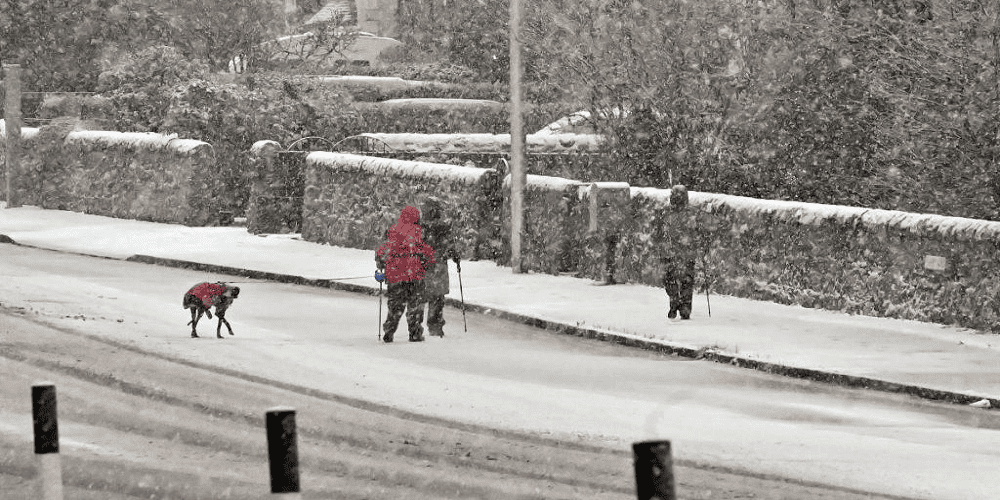
Winter brings a mix of excitement and concern. From scenic landscapes covered in white to the possibility of travel delays, snow plays a major role in daily life during colder months. When people need accurate updates, the first source they trust is the snow weather forecast Met Office. This official national weather service offers real-time predictions, warnings, and long-term outlooks for the entire country. Understanding how these forecasts work, what affects snowfall, and how to prepare helps individuals stay safe and make better winter decisions.
This guide explains in detail how the snow weather forecast Met Office is created, what tools are used, why these forecasts matter, and how people can interpret winter alerts. The aim is to give you a full understanding of snowfall predictions so you can rely on trustworthy information throughout the season.
1. What Is the Snow Weather Forecast Met Office
The term snow weather forecast Met Office refers to predictions provided by the Met Office about snowfall, temperature drops, icy conditions, and winter-related weather patterns. These forecasts are created using advanced meteorological tools, satellite data, and computer modeling systems. The Met Office is responsible for monitoring changes in the atmosphere and informing the public through warnings and advisories.
Whenever there is a possible snow event, the forecast includes information about:
- Expected snowfall amounts
- Locations likely to be affected
- Timing of snow showers
- Temperature forecasts
- Types of snow (light, moderate, heavy)
- Potential risks such as ice formation or blizzards
Because winter weather can be unpredictable, having access to an authentic snow weather forecast Met Office gives people the most reliable information.
2. How the Met Office Predicts Snowfall
Understanding snowfall prediction begins with understanding how weather systems behave. The snow weather forecast Met Office relies on several scientific and technological tools to create highly accurate predictions.
a. Satellite Observations
Satellites orbiting Earth constantly scan cloud formations, storm systems, temperature variations, and atmospheric moisture. This helps meteorologists track potential snow clouds early.
b. Radar Technology
Snow radar images show real-time precipitation intensity. This helps identify whether precipitation will fall as rain, sleet, or snow.
c. Weather Balloons
Weather balloons gather data about atmospheric pressure, humidity, wind speed, and temperature in different layers of the atmosphere. This is important because snow forms under specific temperature and moisture conditions.
d. Supercomputer Models
The Met Office operates some of the most powerful weather supercomputers. These machines analyze billions of data points to create simulation models that predict how winter storms will move.
e. Ground-Based Weather Stations
Thousands of monitoring stations across the nation record live temperature, wind, and air pressure data to refine the snow weather forecast Met Office.
These combined tools create a picture of how a winter system will behave. The Met Office updates its forecasts frequently because atmospheric conditions can change quickly.
3. What Makes Snowfall Hard to Predict
Snow is more difficult to forecast than rain due to its sensitivity to temperature changes. A difference of just one or two degrees can change a snowstorm into rain or sleet. This is why the snow weather forecast Met Office must constantly update its predictions.
Some reasons include:
a. Boundary Layer Temperature
Snow only forms when temperatures in the lower atmosphere remain cold enough. If air warms up slightly near the ground, snow may melt before reaching the surface.
b. Microclimates
Some regions stay colder than others, even within a few kilometers. This leads to patchy snow conditions.
c. Altitude Differences
Higher areas receive snow more easily. The Met Office must factor in hills, mountains, and valleys to ensure the snow weather forecast Met Office is accurate.
d. Rapid Weather Changes
Winter storms can change direction or intensity within hours, making it essential to monitor updates regularly.
Because of these challenges, snowfall predictions require advanced expertise and continuous monitoring.
4. Types of Snowfall Alerts Issued by the Met Office
To protect the public, the Met Office issues color-coded warnings. These warnings help communities prepare for dangerous conditions.
Yellow Warning
Indicates possible snow and ice that may cause minor disruptions. People should stay cautious and check updates on the snow weather forecast Met Office.
Amber Warning
Signals a higher chance of severe snow. Transport networks may be disrupted, and travel delays are more likely.
Red Warning
Issued during extremely severe snowfall that poses risks to life. Red warnings are rare but require immediate action to stay safe.
These warnings are based on forecast confidence and potential impact. People are encouraged to follow Met Office guidance closely during winter.
5. Why the Snow Weather Forecast Met Office Is Important
Winter weather affects daily life in multiple ways. Accurate snow forecasts play a crucial role in several sectors.
a. Transportation Safety
Snowy roads become slippery and dangerous. Travel warnings allow people to plan their journeys carefully.
b. Aviation and Rail Operations
Airports and rail networks rely heavily on the snow weather forecast Met Office to adjust schedules and prepare de-icing operations.
c. School and Work Decisions
Heavy snow can lead to school closures or work-from-home arrangements. Early warnings help families plan ahead.
d. Agriculture and Farming
Farmers use winter forecasts to protect livestock, crops, and equipment from harsh temperatures.
e. Energy Demand Management
Utility providers monitor the snow weather forecast Met Office to predict heating demand and prevent power shortages.
Because winter weather affects nearly every aspect of life, accurate forecasts are essential.
6. How to Interpret Snow Maps and Forecasts
The Met Office provides detailed maps with symbols and colors that show where snow is expected. Understanding them helps people make sense of the snow weather forecast Met Office.
a. Precipitation Symbols
Snow is represented by small star-like symbols. Mixed precipitation shows combined icons.
b. Color Coding
Darker shades indicate heavier snowfall. Light shades show light snow showers.
c. Temperature Layers
Maps often display temperature gradients that indicate freezing levels. Snowfall is more likely when these levels are low.
d. Wind Directions
Wind direction helps determine how snow clouds will move across regions.
Learning these basics makes it easier to interpret weather information.
7. Factors That Influence Snowfall Predictions
There are several elements that decide whether a region will experience snow. The Met Office considers all these factors when creating the snow weather forecast Met Office.
a. Temperature
Both surface and upper-atmosphere temperatures must be below freezing.
b. Moisture Levels
High humidity increases the chance of snow formation.
c. Storm Track
The path of low-pressure systems determines which areas will receive snowfall.
d. Elevation
Higher elevations receive snow more frequently due to colder temperatures.
e. Wind Chill
Wind influences how cold the air feels and affects snow distribution.
Understanding these factors helps people see why forecasts sometimes change.
8. Regional Differences in Snowfall
Not all areas receive the same amount of snow. The snow weather forecast Met Office varies by region due to differences in climate.
a. Northern Regions
Scotland and northern England experience more snowfall due to cooler temperatures and higher altitudes.
b. Midlands
These areas receive moderate but unpredictable snowfall.
c. Southern Regions
Snowfall is less common but can still be intense during strong weather systems.
d. Coastal Areas
Coastal regions tend to be warmer, reducing the chances of snow.
Regional variations must be considered when reading winter forecasts.
9. Preparing for Snow Based on the Met Office Forecast
Preparation is key to staying safe and avoiding disruptions. When the snow weather forecast Met Office indicates heavy snowfall, people should take necessary precautions.
a. Travel Planning
Check live updates before traveling
Avoid unnecessary journeys
Keep an emergency kit in your vehicle
b. Home Preparation
Insulate pipes to prevent freezing
Keep heating systems functional
Stock essential supplies
c. Clothing and Safety
Wear proper winter clothing
Use slip-resistant footwear
Stay indoors during severe warnings
Following these steps ensures safety during winter storms.
10. How Accurate Is the Snow Weather Forecast Met Office
The Met Office is known for high accuracy because of its advanced technology and continuous monitoring. The accuracy of the snow weather forecast Met Office is higher compared to many other services because it uses localized models and detailed weather observations.
Short-term forecasts (within 48 hours) are highly reliable, while long-term forecasts provide general trends rather than exact predictions.
11. Long-Term Snow Forecast Trends
The Met Office also provides seasonal outlooks. These forecasts do not predict exact dates of snowfall but give a broad picture of winter trends such as:
- Expected colder-than-average periods
- Chances of early or late snow
- Likelihood of prolonged cold spells
These long-term trends are useful for planning and preparedness.
12. Climate Change and Future Snowfall Patterns
Climate change affects winter weather patterns worldwide. Warmer average temperatures may reduce the number of snowy days in some areas. However, climate change can also increase the likelihood of extreme snow events due to stronger atmospheric moisture.
The snow weather forecast Met Office takes these changing patterns into account using updated climate models.
13. Role of Public Communication
Forecasts are shared through multiple platforms:
- Official website
- Mobile app
- Social media updates
- News channels
Quick and clear communication ensures that the public receives timely updates about snowfall risks.
FAQs
1. What is the snow weather forecast Met Office
It is the official snowfall prediction provided by the Met Office, including updates on snow showers, temperature drops, icy conditions, and winter risks.
2. How often does the Met Office update snow forecasts
Forecasts are updated several times a day depending on changing weather conditions.
3. Can the Met Office accurately predict snowfall
Yes, short-term snow forecasts are highly accurate because of advanced weather models and real-time data.
4. Why does the snow forecast sometimes change
Snow depends on small temperature differences, making conditions change quickly. Updates ensure accuracy.
5. What do Met Office weather warnings mean
They indicate potential danger levels. Yellow is mild risk, amber is significant risk, and red indicates severe danger.
6. How should I prepare for heavy snowfall
Stay updated with the snow weather forecast Met Office, avoid unnecessary travel, and keep emergency supplies ready.
7. Does climate change affect snowfall
Yes, climate change can reduce average snowfall but may increase the intensity of certain snowstorms.
8. Are regional snow forecasts different
Yes, snowfall varies widely based on altitude, location, and temperature patterns.
9. How can I access the Met Office snow forecast
You can check the official website, mobile app, or local weather broadcast.
10. Can snowfall disrupt travel
Yes, heavy snow can delay flights, block roads, and affect rail schedules.
Leave A Comment
0 Comment