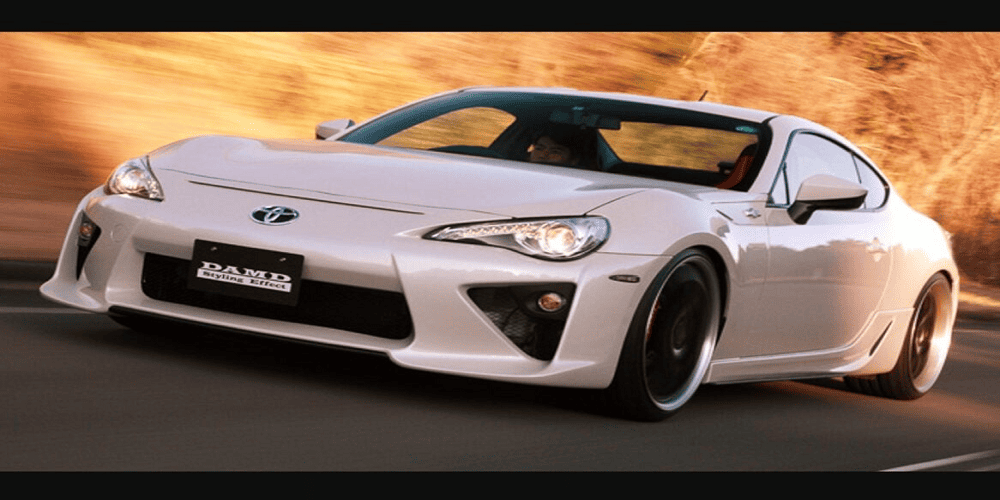
Recalls are never welcome news for car owners, but they are an essential part of keeping vehicles safe on the road. Over the last decade, automotive recalls have become a significant concern for drivers, manufacturers, and regulators. Among the most prominent recalls in recent years are those involving Toyota, Lexus, and Subaru — three major automakers that are generally known for reliability and high-quality engineering. This comprehensive guide explores the Toyota, Lexus, and Subaru recalls, the reasons behind them, their implications for drivers, and how you can protect yourself if your vehicle is affected. Before diving into the details, it’s important to understand what a recall actually means. A recall is issued when a manufacturer or a government agency like the National Highway Traffic Safety Administration (NHTSA) determines that a car, truck, or SUV has a safety defect or fails to meet a federal safety standard. These recalls can involve issues with airbags, brakes, steering, engines, software, or even small components that could lead to safety hazards. Manufacturers like Toyota, Lexus, and Subaru are legally obligated to notify vehicle owners about recalls and offer free repairs, replacements, or refunds. Toyota is one of the largest automakers in the world, and while it has a reputation for reliability, it has had its share of recalls over the years. Airbag Inflator Recalls Brake System Recalls Fuel Pump Failures Unintended Acceleration Issues Hybrid System Recalls Lexus is Toyota’s luxury division, and while its vehicles are generally well-regarded for refinement and reliability, recalls can affect them as well. Airbag-Related Recalls Fuel System Recalls Brake and ABS Software Recalls Fuel Leakage Risk Electrical Component Recalls Subaru is another brand known for reliability, particularly for its standard all-wheel-drive vehicles. However, even Subaru has been involved in major recalls. Engine Issues Brake Light Switch Recalls Takata Airbag Recall Fuel Line Leaks Transmission and Driveshaft Issues When major automakers like Toyota, Lexus, and Subaru recall vehicles, it affects millions of cars worldwide. These recalls are not just a financial burden for manufacturers but can also be stressful for consumers. Recalls are crucial for safety. A small defect in a braking system, airbag inflator, or fuel pump can have catastrophic consequences on the road. While recalls are expensive, they are necessary to maintain consumer trust. Automakers must cover repair costs, replacement parts, and sometimes even legal settlements. Toyota, Lexus, and Subaru generally maintain strong reputations, and their handling of recalls — timely communication, free repairs, and transparency — helps retain customer loyalty. If you own a Toyota, Lexus, or Subaru vehicle, it’s important to check regularly for recalls. Here’s how you can do it: Use the NHTSA Website Check Manufacturer Websites Contact Your Dealer Pay Attention to Recall Notices If your Toyota, Lexus, or Subaru has been recalled: Do Not Panic – Not all recalls mean your vehicle is unsafe to drive immediately. Follow Instructions – Read the recall notice carefully and follow the steps provided. Schedule Repairs Quickly – The repair is free. Book a service appointment with an authorized dealer. Keep Documentation – Save all paperwork related to the recall repair for future reference. Across these three automakers, the most common recall reasons include: Airbags – Defective inflators, improper deployment. Brakes – ABS malfunctions, pedal issues. Fuel System – Pump failures, leaks. Software – Powertrain and hybrid system programming errors. Engine & Transmission – Risk of stalling, mechanical failure. Electrical Components – Wiring defects, fire risk. Car owners should stay informed about recalls to ensure their safety and avoid potential legal issues. Sign up for recall alerts on NHTSA’s website or through manufacturer portals. With modern cars becoming more advanced and software-driven, recalls are likely to continue. The difference now is that many issues can be fixed through over-the-air (OTA) software updates, reducing the need for physical repairs in some cases. The Toyota, Lexus, and Subaru recalls highlight that even the most reliable automakers face challenges. What matters most is how these companies handle recalls — prioritizing customer safety, offering free solutions, and maintaining transparency. For drivers, staying proactive is key. Regularly check for recalls, schedule repairs promptly, and maintain records. Doing so keeps your vehicle safe and roadworthy, ensuring peace of mind for you and your passengers. Q1: Are recall repairs really free? Q2: Can I keep driving my car if it’s recalled? Q3: How long does a recall repair take? Q4: What if the dealer refuses to perform the recall repair? Q5: Do recalls affect resale value? Q6: How often should I check for recalls?Understanding Vehicle Recalls
Toyota Recalls
Major Toyota Recalls
One of the most widespread recalls in history involves airbag inflators manufactured by Takata. Toyota was among several car brands affected. The defective inflators could rupture during deployment, sending metal fragments into the cabin, which could cause injury or death.
Toyota has recalled certain models due to brake system issues, including software problems in anti-lock braking systems and faulty brake pedals that could affect stopping distance.
In recent years, Toyota recalled millions of vehicles due to defective fuel pumps that could cause the engine to stall, increasing the risk of crashes.
Toyota faced a massive recall in the late 2000s due to reports of unintended acceleration. The root cause involved sticky accelerator pedals and floor mats trapping pedals.
Several Toyota hybrid models were recalled to address software issues in the hybrid power control unit, which could cause vehicles to stall unexpectedly.Lexus Recalls
Major Lexus Recalls
Like Toyota, Lexus was impacted by the Takata airbag recall. Affected Lexus models requird replacement of passenger-side airbag inflators.
Certain Lexus models experienced fuel pump problems similar to those in Toyota vehicles, leading to mass recalls.
Lexus hybrid models were recalled in the past for ABS software reprogramming to improve braking performance.
Some Lexus vehicles faced recalls due to potential fuel leaks from defective fuel lines, increasing the risk of fire.
Recalls have also targeted electrical systems, including faulty wiring harnesses and risk of short circuits that could disable key vehicle functions.Subaru Recalls
Major Subaru Recalls
Subaru has recalled vehicles for problems with piston rings, connecting rods, and valve springs that could lead to engine failure.
Subaru issued recalls for defective brake light switches that could prevent brake lights from illuminating and even interfere with starting the car.
Like Toyota and Lexus, Subaru also had to recall vehicles equipped with defective Takata airbags.
Subaru has recalled certain models due to fuel line issues that could result in leaks, posing a fire hazard.
Subaru vehicles have faced recalls for driveshaft separation risk and transmission programming errors that could affect drivability.The Combined Impact
Why Recalls Are Important
Financial Impact on Automakers
Consumer Trust and Brand Image
How to Check if Your Car Is Affected
Visit the National Highway Traffic Safety Administration (NHTSA) recall lookup tool and enter your Vehicle Identification Number (VIN).
Toyota, Lexus, and Subaru have their own recall lookup pages where you can check your VIN and get information about open recalls.
Your local dealer can tell you if your vehicle is affected and schedule free repairs.
If you receive a letter from the manufacturer, do not ignore it. Schedule service as soon as possible.What to Do If Your Car Is Recalled
Common Reasons for Toyota, Lexus, Subaru Recalls
Staying Informed
The Future of Automotive Recalls
Final Thoughts
FAQs on Toyota, Lexus, Subaru Recalls
Yes. Automakers are legally required to fix recall-related defects free of charge.
It depends on the defect. Some recalls are minor, while others require you to stop driving immediately. Always read the recall notice carefully.
It can take anywhere from a few minutes to several hours, depending on the part and the complexity of the repair.
You should contact the manufacturer’s customer service or file a complaint with NHTSA.
If the recall is fixed, it generally does not harm resale value. Unresolved recalls, however, can lower a vehicle’s market price.
It’s a good idea to check at least twice a year or before a long trip.
Technically, safety recalls do not expire, but it is best to get them fixed as soon as possible to avoid risk.

Leave A Comment
0 Comment