
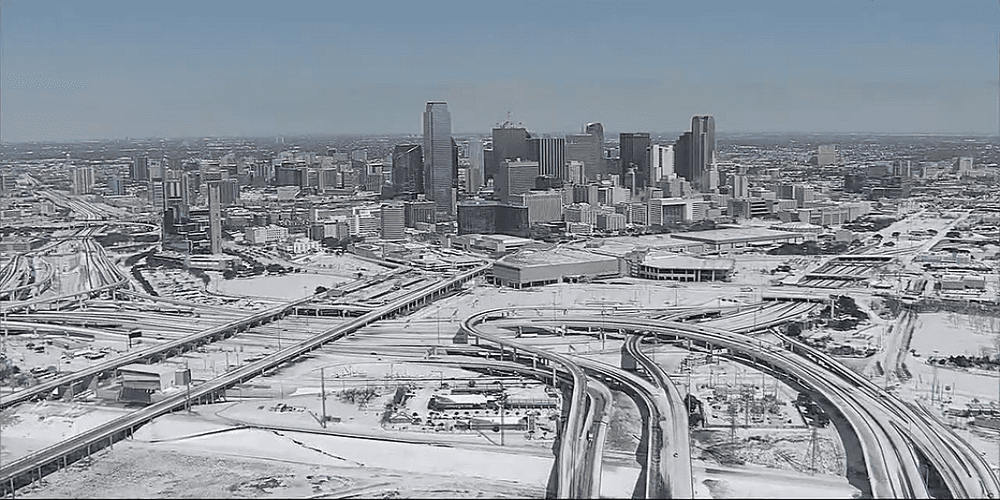
Dallas, Texas, is known for its vibrant culture, bustling economy, and Southern hospitality, but one aspect that consistently draws attention is its weather. Situated in North Texas, Dallas experiences a wide range of climatic conditions, from hot summers to chilly winters, making it a city of contrasts when it comes to temperature and weather patterns. Understanding Dallas weather is not only essential for residents but also for travelers, outdoor enthusiasts, and businesses operating in the area. In this guide, we will dive deep into the intricacies of Dallas weather, explore its seasonal variations, discuss common weather phenomena, and provide practical tips for dealing with the climate.
Geography and Climate Overview
Dallas is located in the north-central part of Texas, near the border with Oklahoma. Its geographic position places it in a transitional zone between the humid subtropical climate of the southeastern United States and the semi-arid climate of the southwestern plains. This unique positioning contributes to the city’s diverse weather patterns and occasional extremes.
Dallas experiences four distinct seasons: spring, summer, fall, and winter. Each season brings unique weather characteristics, influencing daily life, agriculture, energy consumption, and outdoor activities. The city also experiences a mix of high humidity, occasional severe storms, and moderate precipitation throughout the year. Its location in “Tornado Alley” adds an element of unpredictability, particularly in the spring and early summer months.
Seasonal Breakdown of Dallas Weather
Spring (March to May)
Spring in Dallas is a season of transition and variability. Temperatures gradually warm, ranging from 50°F (10°C) in early March to 80°F (27°C) by late May. The weather during this period can fluctuate widely, with warm, sunny days often followed by sudden cold fronts and storms.
One of the defining characteristics of Dallas spring is the increase in rainfall. Thunderstorms are common, and some can be severe, with high winds, hail, and the occasional tornado. Spring is also known for its high pollen counts, which can affect residents with allergies. Despite the occasional storms, spring is a popular time for outdoor events and festivals, as the city comes alive with blooming flowers and mild weather.
Key features of Dallas spring weather:
- Average temperatures: 50°F–80°F
- Increased rainfall and thunderstorms
- Occasional tornadoes
- High pollen levels
Summer (June to August)
Summers in Dallas are notoriously hot, with temperatures frequently exceeding 95°F (35°C). Heat waves are common, and the combination of high temperatures and humidity can make it feel even hotter. Dallas summer skies are typically sunny and clear, although afternoon thunderstorms occasionally develop due to heat and humidity.
Residents and visitors are advised to take precautions during the summer months. High temperatures can pose health risks such as heat exhaustion and dehydration. Air conditioning is a necessity for most homes, businesses, and vehicles. Outdoor activities are often planned for early mornings or late evenings to avoid the peak heat of the day.
Key features of Dallas summer weather:
- Average high temperatures: 95°F–105°F
- Low rainfall with occasional afternoon storms
- High humidity
- Intense sunlight and UV exposure
Fall (September to November)
Fall is often considered one of the most pleasant seasons in Dallas. Temperatures gradually cool from the intense summer heat, ranging from the mid-70s°F (24°C) in September to the low 50s°F (10°C) by November. Fall is generally a dry season, although sporadic rain showers can occur.
The fall months are ideal for outdoor activities, including hiking, sports events, and cultural festivals. The cooler temperatures and lower humidity make it a comfortable time for exploring the city and its surrounding areas. Fall foliage is less dramatic than in northern states, but parks and residential areas still display beautiful autumn colors.
Key features of Dallas fall weather:
- Average temperatures: 50°F–85°F
- Cooler evenings and mornings
- Reduced humidity
- Occasional rainfall
Winter (December to February)
Winter in Dallas is mild compared to northern states, but it can still bring a mix of cold temperatures, ice, and occasional snow. Average highs range from 50°F–60°F (10°C–16°C), while nighttime lows can dip into the 30s°F (0°C–4°C). Snowfall is rare but not unheard of, with some years experiencing light accumulation.
Winter precipitation often comes in the form of rain or freezing rain rather than snow. Dallas is vulnerable to icy roads and slick conditions during winter, making travel potentially hazardous. Despite the colder temperatures, the city rarely experiences prolonged periods of extreme cold.
Key features of Dallas winter weather:
- Average temperatures: 30°F–60°F
- Occasional ice and rare snow
- Rain is more common than snow
- Cool mornings and evenings
Understanding Precipitation in Dallas
Dallas receives an average annual rainfall of approximately 38–42 inches (965–1067 mm), with precipitation distributed throughout the year. Rainfall peaks during the spring and early summer, coinciding with the thunderstorm season. Fall and winter tend to be drier, although winter rains are still frequent.
The city is also prone to occasional flash floods due to heavy rainfall combined with urban infrastructure that struggles to drain excess water quickly. Residents are advised to monitor weather alerts during heavy rains and avoid driving through flooded areas.
Severe Weather in Dallas
Being part of Tornado Alley, Dallas is susceptible to severe weather events. While tornadoes are more common in spring and early summer, the city can experience strong thunderstorms throughout the year. Severe weather in Dallas may include:
- Tornadoes: Typically occur in spring and early summer. Tornado warnings are issued via local media, apps, and emergency alerts.
- Hailstorms: Can cause property damage, especially to vehicles and rooftops.
- High Winds: Often accompany thunderstorms and can knock down trees and power lines.
- Ice Storms: Rare in winter but can disrupt transportation and cause safety hazards.
Residents are encouraged to have emergency plans in place and stay informed about weather alerts.
Dallas Temperature Extremes
Dallas experiences a wide range of temperatures, which can vary dramatically between seasons:
- Highest recorded temperature: 113°F (45°C)
- Lowest recorded temperature: -8°F (-22°C)
Summer heat can be intense and prolonged, while winter cold snaps are less frequent but can still impact daily life. These extremes make it essential for residents to adapt their homes, clothing, and lifestyle according to seasonal changes.
Tips for Residents and Visitors
Whether you live in Dallas or are planning a visit, understanding and preparing for the weather can improve comfort and safety. Here are some practical tips:
- Stay Hydrated: Especially during summer, drink plenty of water to prevent heat-related illnesses.
- Monitor Weather Alerts: Pay attention to tornado, flood, and storm warnings via apps or local news.
- Dress Appropriately: Layered clothing works best for transitional seasons like spring and fall.
- Protect Your Home and Car: Severe storms and hail can damage property, so take precautions such as securing outdoor items.
- Plan Outdoor Activities Wisely: Early mornings and late evenings are ideal in summer, while fall and spring offer comfortable conditions for outdoor fun.
Dallas Weather and Its Impact on Lifestyle
The climate in Dallas influences many aspects of life, including:
- Outdoor Recreation: Parks, sports, and outdoor festivals are popular, especially in spring and fall.
- Energy Consumption: High summer temperatures increase demand for air conditioning, while mild winters reduce heating needs.
- Agriculture: Farmers rely on rainfall patterns and temperature trends to plan crops and manage livestock.
- Transportation: Weather events such as ice, hail, and heavy rain can affect commuting and road safety.
Residents adapt to these conditions by modifying their daily routines, investing in weather-appropriate gear, and staying informed about local forecasts.
Dallas Weather Forecasting
Modern technology allows for accurate and timely weather forecasts in Dallas. Meteorologists rely on satellite imagery, radar data, and computer models to predict temperatures, precipitation, and severe weather events. Popular sources for Dallas weather forecasts include:
- National Weather Service (NWS)
- Local TV stations (e.g., WFAA, NBC 5, FOX 4)
- Mobile weather apps (e.g., The Weather Channel, AccuWeather)
By keeping an eye on forecasts, residents and visitors can plan activities, commute safely, and take precautions during extreme weather events.
Climate Change and Dallas
Like many cities worldwide, Dallas is affected by climate change, which can intensify weather extremes. Key observations include:
- Rising Temperatures: Hotter summers and more frequent heatwaves.
- Extreme Rainfall: Increased risk of flash floods.
- Severe Storms: Potential for more intense hailstorms and tornadoes.
Adapting to these changes requires infrastructure improvements, public awareness campaigns, and individual preparedness.
Conclusion
Dallas weather is dynamic and varied, offering residents and visitors both challenges and opportunities. From the intense heat of summer to the mild winters and occasional severe storms, understanding the city’s climate is essential for safety, comfort, and enjoyment. By staying informed, planning appropriately, and adapting to seasonal changes, anyone can thrive in Dallas and make the most of what the city has to offer, regardless of the weather.
FAQs About Dallas Weather
1. What is the best time of year to visit Dallas?
The most pleasant seasons are spring (March to May) and fall (September to November) when temperatures are moderate, humidity is lower, and outdoor activities are enjoyable.
2. How hot does Dallas get in the summer?
Average summer highs range from 95°F to 105°F, but heatwaves can push temperatures even higher. It is also humid, which can make it feel hotter.
3. Does it snow in Dallas?
Snowfall is rare but possible during winter. Most precipitation in winter comes as rain, with occasional freezing rain or sleet.
4. Why is Dallas prone to tornadoes?
Dallas is located in the southern part of Tornado Alley, where warm, moist air from the Gulf of Mexico meets cooler, dry air from the plains, creating conditions conducive to tornado formation.
5. How can I stay safe during Dallas thunderstorms?
Monitor weather alerts, stay indoors during storms, avoid driving through flooded roads, and have an emergency plan for tornadoes or severe weather events.
Leave A Comment
0 Comment