
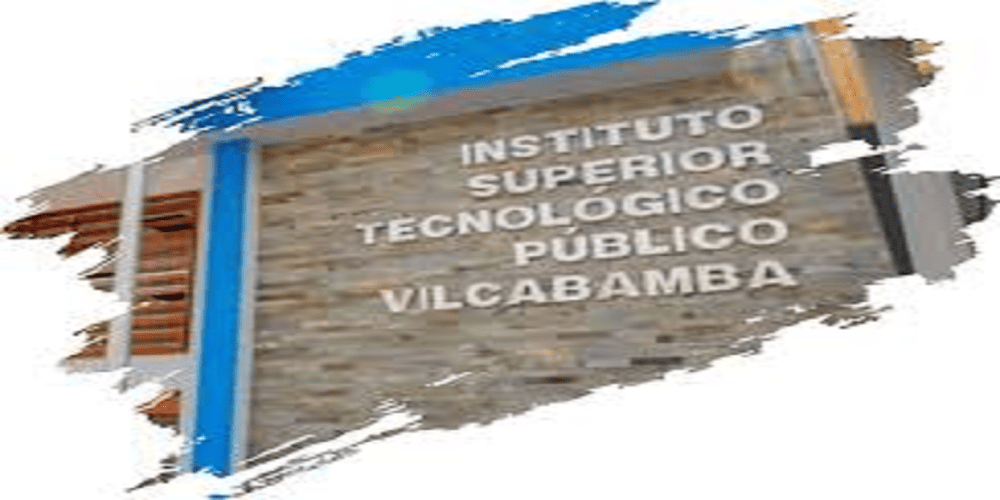
The phrase “Instituto Superior Tecnológico Público” refers to public technological institutes that operate as part of the higher education system in several Spanish-speaking countries, particularly in Latin America. These institutes provide technical and technological training aimed at developing practical skills for the job market. They play an important role in bridging the gap between secondary education and university studies, offering accessible and specialized education for students who want to quickly enter the workforce.
This article provides a detailed look at what an Instituto Superior Tecnológico Público is, its objectives, structure, academic programs, admission requirements, benefits, challenges, and its impact on education and the economy.
Understanding Instituto Superior Tecnológico Público
An Instituto Superior Tecnológico Público (ISTP) is a public higher education institution that focuses on professional technical education. Unlike traditional universities that primarily emphasize academic theory, ISTPs focus on developing practical competencies that respond to the needs of industry, business, and society.
These institutions are typically regulated by the Ministry of Education of their respective country. Their mission is to offer programs that last between two to three years, leading to degrees such as Professional Technician, Technologist, or other equivalent titles.
Some key characteristics of ISTPs include:
- Public Funding: They are financed by the government, which ensures that tuition fees are lower compared to private institutes.
- Technical Orientation: Their curriculum is designed to provide job-ready skills in sectors like engineering, information technology, health sciences, business administration, hospitality, and more.
- Shorter Programs: Most programs last between two and three years, allowing students to graduate faster and join the workforce earlier.
- Practical Focus: Emphasis on workshops, laboratories, and internships to ensure hands-on experience.
History and Evolution
The concept of technological institutes in Latin America developed in response to the need for skilled labor in emerging industries during the late 20th century. Governments recognized that not every student needed or wanted to pursue a full university degree but still required post-secondary education to improve their job prospects.
Public technological institutes were created as part of national education reforms, aiming to:
- Expand access to higher education.
- Strengthen technical and vocational training.
- Respond to the demands of local and global markets.
- Encourage innovation and entrepreneurship.
In countries such as Peru, Ecuador, and Mexico, ISTPs have become an integral part of the education system, with hundreds of institutions offering a wide range of programs.
Structure and Organization
An Instituto Superior Tecnológico Público is usually governed by a director or rector appointed by the Ministry of Education. It has academic departments or faculties that oversee various study programs.
Typical organizational structure includes:
- General Directorate or Rectorate: Responsible for administration, compliance with regulations, and institutional planning.
- Academic Departments: These are specialized units for fields such as engineering, health, business, or IT.
- Research and Development Units: Although research is not the primary mission, many ISTPs promote applied research projects to solve local industry problems.
- Student Services: Career counseling, academic advising, extracurricular activities, and internship coordination.
Academic Programs
The academic offer at an ISTP is broad and diverse. Some of the most common programs include:
- Information Technology: Programming, networking, cybersecurity, and systems analysis.
- Engineering Technologies: Industrial maintenance, mechatronics, electrical and electronic technology.
- Health Sciences: Nursing technician, clinical laboratory assistant, pharmacy technician.
- Business and Management: Accounting, marketing, logistics, human resources.
- Tourism and Hospitality: Culinary arts, hotel management, tourism services.
- Design and Creativity: Graphic design, fashion design, multimedia production.
Each program combines theoretical classes with laboratory practice and professional internships, preparing students to work in real-world environments.
Admission Process
Admission to an Instituto Superior Tecnológico Público is generally simpler and more accessible than to universities.
Typical steps include:
- Application: Submission of required documents such as high school diploma, ID, and completed forms.
- Entrance Exam (if applicable): Some ISTPs require a basic knowledge test in mathematics, communication, and logical reasoning.
- Enrollment: Payment of registration fees and selection of study program.
Government initiatives in several countries also provide scholarships or financial assistance to ensure access for students from low-income families.
Benefits of Studying at an Instituto Superior Tecnológico Público
Studying at an ISTP offers multiple advantages:
1. Affordable Education
Since these institutions are publicly funded, tuition fees are significantly lower compared to private institutes and universities.
2. Faster Entry into the Workforce
Programs are shorter in duration, allowing students to gain a professional qualification in two to three years.
3. Industry-Relevant Training
The curriculum is designed in collaboration with industries to ensure graduates have the skills employers need.
4. Practical Learning
Hands-on training through workshops and internships helps students apply theoretical knowledge in real scenarios.
5. Opportunities for Continuing Education
Graduates can often continue their studies at universities, transferring credits toward bachelor’s degree programs.
Challenges Faced by ISTPs
Despite their importance, public technological institutes face several challenges:
- Limited Resources: Being government-funded, budgets may not always be sufficient to update laboratories or equipment.
- Teacher Training: There is a constant need to train and upskill teachers to keep up with technological advancements.
- Perception: In some societies, technical education is undervalued compared to university education.
- Infrastructure: Some ISTPs operate in outdated facilities, which can affect the learning experience.
Governments and education authorities are working to address these issues through modernization programs, international cooperation, and partnerships with private companies.
Role in Economic Development
ISTPs play a critical role in supporting economic growth. They supply industries with qualified technicians, which improves productivity and competitiveness. Many graduates find employment in manufacturing, IT, health services, logistics, and other key sectors.
Additionally, by promoting entrepreneurship and applied research, ISTPs help foster innovation in local communities. Graduates often create small businesses that generate employment and contribute to regional development.
Internationalization and Future Trends
Public technological institutes are increasingly seeking to internationalize their programs through:
- Exchange Agreements: Partnerships with foreign institutions for student and faculty exchange.
- Accreditation: Adoption of international quality standards to improve global recognition of degrees.
- Online Education: Expansion of virtual classrooms and blended learning to reach more students.
- Sustainability and Green Technologies: New programs focusing on renewable energy, environmental management, and sustainable development.
The future of ISTPs looks promising as governments continue to invest in technical education to meet the demands of a rapidly changing economy.
Frequently Asked Questions (FAQs)
Q1: What is an Instituto Superior Tecnológico Público?
An Instituto Superior Tecnológico Público is a public higher education institution that offers technical and technological programs focused on practical job skills.
Q2: How long do programs at ISTPs last?
Most programs last between two and three years, allowing students to quickly join the workforce.
Q3: Are ISTPs only available in Peru?
No, similar institutions exist across Latin America, including Ecuador, Colombia, and Mexico, though their names and structures may vary.
Q4: Do ISTPs offer online education?
Yes, many institutes are incorporating online and hybrid learning models, especially after the pandemic.
Q5: Can I transfer from an ISTP to a university?
In many countries, graduates can transfer credits and continue their education at a university to obtain a bachelor’s degree.
Q6: Are ISTPs recognized internationally?
Recognition depends on accreditation and bilateral agreements. Many ISTPs are seeking international certification to improve degree recognition abroad.
Q7: Are there scholarships available?
Yes, most governments offer financial aid or scholarships for students in public technological institutes, especially for those from low-income backgrounds.
Q8: What kind of jobs can graduates get?
Graduates work in industries such as IT, engineering, health services, logistics, business administration, and tourism.
Q9: Are ISTPs better than universities?
It depends on your career goals. ISTPs are ideal for those seeking practical skills and faster employment, while universities focus more on academic research and longer study programs.
Q10: Do ISTPs encourage entrepreneurship?
Yes, many ISTPs include entrepreneurship courses and incubators to help students launch their own businesses.
Leave A Comment
0 Comment