
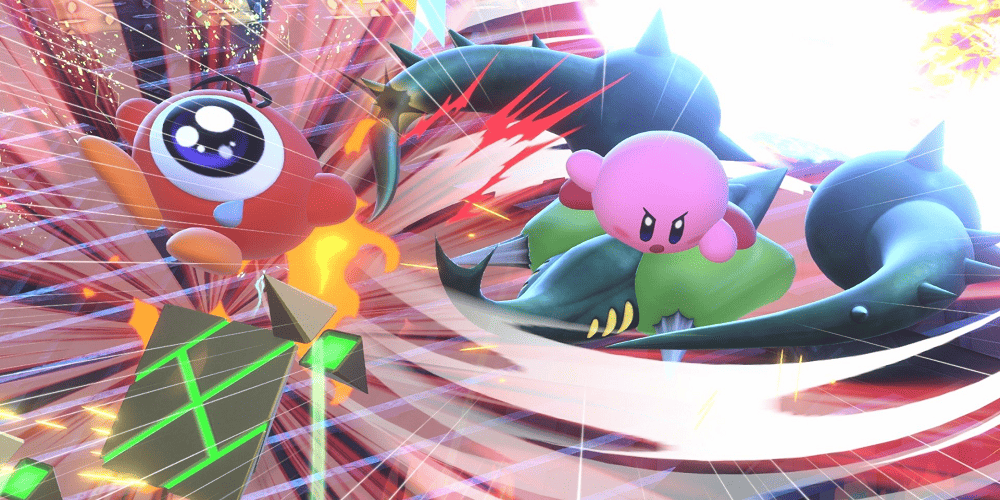
“Kirby Air Riders” remains one of the most unique and beloved spin-offs in Nintendo’s long-running Kirby franchise. Released for the Nintendo GameCube, this game blended the lighthearted charm of Kirby with the thrill of high-speed racing, creating an unforgettable experience that continues to captivate fans even years after its release. Though it was overshadowed by major racing titles like Mario Kart: Double Dash!!, “Kirby Air Riders” carved out its own legacy with its distinctive mechanics, colorful environments, and accessible yet deep gameplay.
In this comprehensive guide, we’ll dive deep into everything you need to know about “Kirby Air Riders”—its gameplay, development history, unique features, modes, tips, legacy, and why fans still hope for a sequel. Whether you’re a nostalgic GameCube player or a new fan of the pink puffball, this exploration of “Kirby Air Riders” will take you on a ride through one of Nintendo’s most creative experiments.
The Origins of Kirby Air Riders
“Kirby Air Riders” was developed by HAL Laboratory, the same studio responsible for most of the Kirby titles. The idea for a Kirby-themed racing game wasn’t entirely new. The concept was originally planned for the Nintendo 64 under the title Kirby’s Air Ride. However, development struggles and hardware limitations caused the project to be delayed multiple times before finally resurfacing on the Nintendo GameCube in 2003.
The game’s director, Masahiro Sakurai—best known for creating both Kirby and Super Smash Bros.—wanted to design a racing game that anyone could play. His goal was to create a game that stripped away unnecessary complexity while still offering depth for skilled players. This philosophy shaped the game’s signature one-button control scheme, which allowed even newcomers to enjoy the fast-paced action without frustration.
Gameplay Overview
At its core, “Kirby Air Riders” is a high-speed racing game featuring the iconic pink puffball and a colorful cast of characters from Dream Land. The game introduces players to “Air Ride Machines,” hovercraft-like vehicles that glide through vibrant tracks filled with obstacles, enemies, and power-ups.
1. Simple Controls, Deep Mechanics
Unlike traditional racing games, “Kirby Air Riders” features an incredibly simple control scheme. Players primarily use just one button for most actions. Holding the A button charges a boost, while releasing it propels Kirby forward. The same button is also used to inhale enemies or items. Steering is handled by the control stick, and that’s essentially it. Despite this simplicity, mastering each Air Ride Machine’s behavior, timing boosts, and using shortcuts effectively require practice and skill.
2. Air Ride Machines
Each Air Ride Machine has unique stats for speed, acceleration, handling, and flight ability. Some are balanced, while others excel in specific areas. For example:
- Warp Star: The most balanced and beginner-friendly vehicle.
- Winged Star: Great for flying and avoiding ground hazards.
- Slick Star: Slippery but fast on straightaways.
- Wheelie Scooter: Extremely fast but harder to control.
- Jet Star: Focuses on high top speed with poor acceleration.
Each machine offers a different experience, encouraging players to experiment until they find the perfect match for their racing style.
3. Power-Ups and Copy Abilities
As in other Kirby games, players can inhale enemies to gain special abilities. These powers can be used offensively or defensively during races. Some popular examples include:
- Sword: Slashes nearby opponents.
- Bomb: Drops explosive traps.
- Fire: Speeds up the machine temporarily.
- Wheel: Grants a burst of speed.
These abilities make each race unpredictable, adding strategic layers beyond simple racing.
Game Modes
“Kirby Air Riders” features three primary modes—Air Ride, Top Ride, and City Trial. Each offers a distinct style of play and caters to different player preferences.
1. Air Ride Mode
This is the traditional racing mode where players race through themed tracks, collecting power-ups and battling opponents. The objective is straightforward: finish first. Each track is beautifully designed, featuring multiple routes, hidden shortcuts, and environmental hazards. The Air Ride mode emphasizes speed, reflexes, and familiarity with the course layouts.
2. Top Ride Mode
Top Ride mode takes inspiration from classic overhead-view racing games. The camera is fixed above the track, giving a full view of the course. Controls are simplified even further, making it perfect for quick, chaotic fun with friends. Each course has unique gimmicks—like conveyor belts, whirlwinds, or water currents—that keep the gameplay exciting.
Top Ride is particularly popular in multiplayer sessions due to its fast rounds and competitive nature.
3. City Trial Mode
City Trial is often regarded as the crown jewel of “Kirby Air Riders.” Instead of traditional racing, players are dropped into a large open city filled with random items, upgrades, and events. Over a limited time, players must explore the city, collect machine parts, and enhance their vehicles’ stats (speed, glide, weight, etc.). After the time expires, everyone competes in a randomly selected final event—such as a drag race, destruction derby, or target attack.
City Trial’s unpredictability and freedom make it the most replayable and beloved mode in the game. It’s part racing, part battle royale, and part exploration—all wrapped in Kirby’s charm.
Multiplayer and Competitive Appeal
“Kirby Air Riders” supports up to four players in split-screen multiplayer, and this is where the game truly shines. The simplicity of controls makes it accessible for players of all ages, while the hidden mechanics and machine variety give it surprising competitive depth.
Players can sabotage each other in City Trial, steal upgrades, or destroy rival vehicles. In Air Ride races, tight cornering, clever use of abilities, and map knowledge make the difference between victory and defeat. Even today, fans organize competitive tournaments using emulators or original GameCube hardware to relive this chaotic fun.
Visuals and Sound Design
For a GameCube title, “Kirby Air Riders” offered vibrant, clean visuals that perfectly captured the whimsical tone of Dream Land. The art style balanced bright colors with smooth animation, ensuring readability during high-speed races.
The soundtrack, composed by Jun Ishikawa and Hirokazu Ando, is energetic and memorable. Themes like “Celestial Valley,” “Machine Passage,” and “Checker Knights” have become fan favorites. The combination of cheerful melodies and intense battle music perfectly reflects the dual nature of Kirby—cute but powerful.
Hidden Depth and Unlockables
One of the most impressive aspects of “Kirby Air Riders” is the “Checklist” system. Each game mode has its own checklist of challenges—hundreds of them in total. Completing each task unlocks new machines, tracks, and features.
For example, winning certain races or performing specific stunts can unlock secret vehicles like the Dragoon and Hydra, two of the most powerful machines in the game. These legendary machines are so fast and strong that they can turn the tide of any race, but assembling them requires patience and skill.
This system keeps players motivated long after their first few races, offering constant rewards and goals to strive for.
The Philosophy Behind Its Simplicity
Director Masahiro Sakurai intentionally designed “Kirby Air Riders” around a one-button philosophy. He wanted to remove barriers to entry while maintaining the satisfaction of mastery. This design decision was ahead of its time. Many modern games strive for accessibility without sacrificing depth—something “Kirby Air Riders” achieved two decades ago.
The game encourages players to focus on timing, positioning, and decision-making rather than memorizing complex control schemes. This made it perfect for casual gatherings and family play sessions, aligning perfectly with Nintendo’s inclusive philosophy.
Reception and Legacy
Upon release, “Kirby Air Riders” received mixed reviews from critics but strong appreciation from fans. Many reviewers praised its creative modes and accessibility but criticized its simplicity and repetitive nature. However, over time, the game developed a cult following, especially for its City Trial mode.
Fans and gaming communities often cite “Kirby Air Riders” as one of the most underrated GameCube titles. Its design philosophy, hidden depth, and multiplayer fun have stood the test of time. Some even call it a “prototype” for modern open-world multiplayer experiences.
Even today, clips and discussions about the game circulate widely on social media, keeping its legacy alive. Modders have recreated aspects of City Trial in fan projects and ROM hacks, and players continue to express hopes for a modern sequel or remake on Nintendo Switch.
Why Fans Want a Sequel
There are several reasons fans still clamor for a new “Kirby Air Riders”:
- City Trial’s Timeless Fun: The mode’s free-roaming gameplay and unpredictability were ahead of their time. A modern version with online multiplayer would thrive.
- Untapped Potential: With today’s technology, HAL Laboratory could expand environments, introduce new machines, and enhance customization.
- Kirby’s Popularity: Kirby’s brand has grown tremendously, and a return to racing would attract both nostalgic fans and new players.
- Nintendo’s Multiplayer Focus: With games like Mario Kart 8 Deluxe and Super Smash Bros. Ultimate proving successful, a new “Kirby Air Riders” could fit perfectly into Nintendo’s current ecosystem.
Despite years of silence, the demand remains strong. Fans continue to share petitions and fan-made remakes, showing just how much love the game still receives.
Tips and Strategies for Players
Whether you’re playing the original GameCube version or emulating it, these strategies can help you dominate races:
- Learn the Boost Timing: Charging too early or too late can cost valuable seconds. Release boosts on straightaways or before jumps.
- Experiment with Machines: Don’t stick to one machine. Each track favors different stats and handling.
- Use Copy Abilities Strategically: Save attack abilities for tight corners or opponents who are about to overtake.
- Memorize Track Shortcuts: Hidden paths can make the difference between first and third place.
- City Trial Awareness: Keep an eye on event notifications and rival movements. Gathering upgrades early gives a huge advantage during the final event.
- Master Gliding: Some machines handle better in the air. Learn to glide efficiently to maintain speed over long distances.
Cultural Impact and Modern Appreciation
“Kirby Air Riders” influenced not only the Kirby franchise but also game design discussions in general. It demonstrated how simplicity could coexist with depth—a philosophy later reflected in other Nintendo franchises.
In fan culture, “Kirby Air Riders” has achieved almost mythic status. The soundtrack remains a staple in gaming playlists, and the phrase “City Trial” instantly sparks nostalgia. YouTube channels dedicated to retro games often highlight it as one of the most underrated titles of the 2000s.
Even Masahiro Sakurai has mentioned the game in interviews and his YouTube channel, expressing pride in what his team accomplished despite the challenges.
What Could a Modern Remake Look Like?
If Nintendo were to revive “Kirby Air Riders,” the possibilities would be exciting:
- Online Multiplayer: Four-player split-screen could expand to online races with global leaderboards.
- Expanded City Trial: Larger maps, more events, and custom machines could revolutionize the mode.
- Customization: Players could personalize machines with parts, colors, or skins.
- Enhanced Graphics: Modern visuals could bring Dream Land’s environments to life like never before.
- Cross-Franchise Events: Imagine racing as Meta Knight or King Dedede across reimagined Nintendo worlds.
A remake or sequel could easily attract both long-time fans and new audiences hungry for fresh yet nostalgic racing experiences.
Final Thoughts
“Kirby Air Riders” stands as one of the boldest and most inventive experiments in Nintendo’s history. By merging racing, combat, and exploration into a single accessible package, it created a game unlike any other. While it may not have reached the same mainstream fame as Mario Kart, it offered something equally valuable—a game that anyone could play, yet few could truly master.
Its charm, simplicity, and lasting fun have ensured its place in gaming history. Fans continue to revisit it, share stories, and dream of its return. If Nintendo ever brings back “Kirby Air Riders,” it would not just be a revival of a classic—it would be a celebration of creativity, community, and the timeless joy of racing through Dream Land.
Frequently Asked Questions (FAQs)
Q1. What is Kirby Air Riders?
Kirby Air Riders is a racing video game for the Nintendo GameCube, developed by HAL Laboratory and released in 2003. It features Kirby and other characters racing on hovercraft-like vehicles called Air Ride Machines.
Q2. Who developed Kirby Air Riders?
The game was developed by HAL Laboratory, the same team behind the main Kirby series and Super Smash Bros., led by Masahiro Sakurai.
Q3. What makes Kirby Air Riders different from other racing games?
Its unique one-button control system, copy abilities, and City Trial mode distinguish it from traditional racing titles. The simplicity allows anyone to play, while depth keeps experienced players engaged.
Q4. What is City Trial mode in Kirby Air Riders?
City Trial is a mode where players explore an open-world city, collect upgrades, and prepare for a final random challenge. It’s considered the most popular and replayable part of the game.
Q5. Can you play Kirby Air Riders on modern consoles?
Currently, “Kirby Air Riders” is only officially available on the Nintendo GameCube. However, fans can play it using GameCube discs on older systems or through emulation.
Q6. Is there a sequel to Kirby Air Riders?
No official sequel has been released, though fans continue to request one. The closest successor in spirit is the City Trial-inspired modes found in other Kirby games.
Q7. Why did Kirby Air Riders become a cult classic?
Its combination of accessibility, creativity, and chaotic multiplayer made it a memorable experience. Over time, nostalgia and fan communities helped it gain cult status.
Q8. Which is the best Air Ride Machine?
The answer depends on your playstyle. The Warp Star is balanced and beginner-friendly, while the Dragoon and Hydra are extremely powerful but difficult to obtain.
Q9. How long does it take to unlock everything?
Completing the checklists across all modes can take dozens of hours, offering long-term replay value.
Q10. Will there ever be a Kirby Air Riders remake?
As of now, Nintendo has not announced a remake or sequel, but fan demand remains strong, and many hope for a future revival on modern consoles.
Leave A Comment
0 Comment