
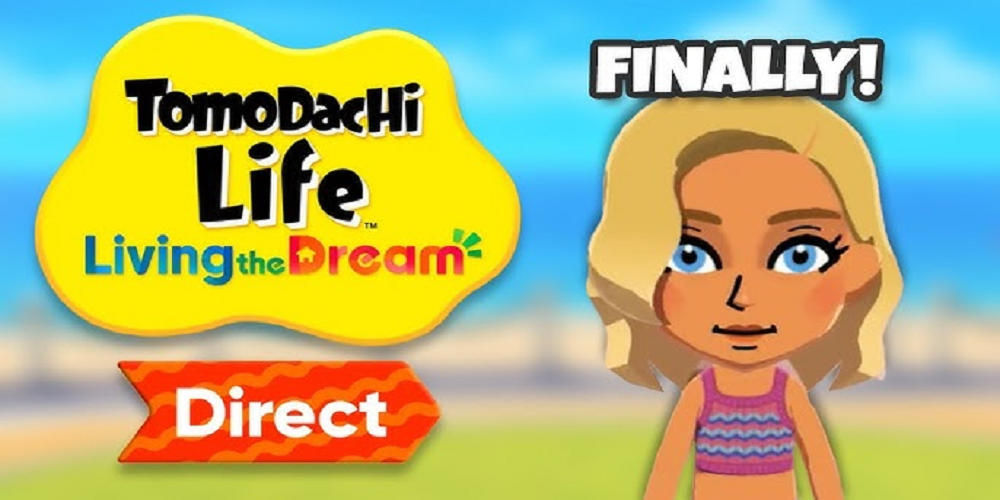
Tomodachi Life Living The Dream marks one of the most anticipated game releases of 2026, bringing back the quirky social simulation that Nintendo fans first fell in love with over a decade ago. For longtime fans of the Tomodachi series and newcomers alike, Tomodachi Life Living The Dream represents both nostalgia and evolution, delivering an open world of chaotic charm where Mii characters live, interact, argue, fall in love, dream loud dreams, and pursue their own little versions of happiness. Set to launch on April 16, 2026, on the Nintendo Switch platform, Tomodachi Life Living The Dream is the first full sequel in the franchise since 2013’s Tomodachi Life on the Nintendo 3DS. (Wikipedia)
In this article, we dig into everything you need to know about Tomodachi Life Living The Dream: from its origins and gameplay fundamentals to deeper design features, community expectations, and answers to common questions players are asking. Whether you want to understand what makes Tomodachi Life Living The Dream different from its predecessor, how character interaction works, or what unique customization elements are included, this comprehensive guide has you covered.
What Is Tomodachi Life Living The Dream?
At its core, Tomodachi Life Living The Dream is a life simulation game developed and published by Nintendo, part of the Tomodachi series. The series debuted with Tomodachi Collection in Japan and reached international audiences with Tomodachi Life for the Nintendo 3DS. Tomodachi Life Living The Dream continues the franchise’s legacy by placing players in charge of a community of Mii characters who live on a tropical island filled with possibilities. (Wikipedia)
Tomodachi Life Living The Dream retains the whimsical core of its predecessors but updates it with modern sensibilities. Far from being a direct reboot, Tomodachi Life Living The Dream brings fresh experiences by allowing players to directly influence relationships between Miis, control more interactions, and enjoy expanded customization options while still preserving the oddball humor and surreal moments that define the series. (Wikipedia)
The world of Tomodachi Life Living The Dream isn’t modeled on routine simulation experiences like farming or city building. Instead, it focuses on daily life in a cartoonish setting, complete with personality quirks, dream sequences, friendship drama, and unexpected events that can range from the hilarious to the bizarre. Tomodachi Life Living The Dream’s vibrant island setting provides the sandbox for these delightful experiences, making the player both manager and participant in the lives of their Miis.
The Evolution from Tomodachi Life
The original Tomodachi Life (2013) was beloved for its charm but limited by the hardware and design constraints of the Nintendo 3DS. Many fans remember the humor of hearing their Miis sing songs they wrote, create bizarre rap lyrics, or get into strange arguments over trivial matters. These idiosyncratic features helped make Tomodachi Life a memorable game, but it also had notable criticisms, including limited control over Mii interactions and the absence of inclusive relationship options. (Wikipedia)
Tomodachi Life Living The Dream is the first major new entry in the series in over a decade, and Nintendo took that opportunity to modernize the formula. Importantly, Tomodachi Life Living The Dream introduces full control over how Miis develop relationships. Whereas the previous title relied mostly on chance for friendships and romances to develop, Tomodachi Life Living The Dream allows players to directly choose when and how Miis interact, improving both player agency and depth of experience. (Wikipedia)
Another major evolution in Tomodachi Life Living The Dream is the expanded customization of Miis. Beyond the hair styles, facial features, and text-to-speech voices familiar to fans, Tomodachi Life Living The Dream adds new customization depth that supports a richer array of facial parts and personalization options. The inclusion of Mii ears, for instance, is a quirky but noticeable upgrade that reflects the series’ more expressive design direction. (Wikipedia)
In response to longstanding community feedback, Tomodachi Life Living The Dream also embraces inclusivity by allowing Miis to have a broader range of gender identities and dating preferences. This includes the ability for Miis to be male, female, or nonbinary, as well as to have various romantic preferences, helping fulfill a promise Nintendo made after earlier criticism of the original game’s limitations. (Them)
Core Gameplay – What You Do in Tomodachi Life Living The Dream
The gameplay of Tomodachi Life Living The Dream builds on familiar simulation mechanics while introducing deeper control over character interactions:
Creating and Customizing Miis: Players begin by creating Mii characters from scratch or importing familiar Miis from existing libraries. Tomodachi Life Living The Dream features an advanced Mii Maker that offers more customization than ever before. Players can alter hair, facial features, footwear, voice, and more to create unique personalities that reflect real friends, family, or entirely original creations. (Wikipedia)
Managing Island Life: The setting of Tomodachi Life Living The Dream is a tropical island where Miis live in personalized houses rather than a shared apartment block. This shift gives the simulation a greater sense of space and individuality, allowing each Mii’s home to reflect their tastes and personality. (Tomodachi Life)
Interactions Between Miis: One of the key pillars of Tomodachi Life Living The Dream’s design is how Miis interact with one another. Players can observe or influence friendships, rivalries, and romances, helping shape social dynamics on the island. The game’s AI drives these interactions in humorous and unpredictable ways, but player input adds strategic control to the experience. (Wikipedia)
Dream Sequences: Part of the charm of the series has always been the surreal dream sequences where Miis engage in strange behavior, sing odd songs, or enact bizarre scenes. These dream moments are present in Tomodachi Life Living The Dream and give players a window into the imaginative inner worlds of their Miis. (Tomodachi Life)
Activities and Island Events: Beyond everyday interactions, the island may host weddings, celebrations, fights, and other dynamic events that keep gameplay fresh. Players can witness surprising outcomes and laughter-inducing situations that unfold naturally or through choices they make. (Wikipedia)
Design Philosophy: Charm Meets Control
Many players of the original Tomodachi Life loved it because it was delightfully unpredictable and consistently funny. That same spirit carries over into Tomodachi Life Living The Dream, but with a stronger emphasis on player control. Instead of leaving relationships to random chance, as was the case in the 3DS title, Nintendo has designed this version to let players guide social outcomes. (Wikipedia)
This balance between unpredictability and intentional design gives Tomodachi Life Living The Dream its distinctive feel. It preserves the bizarre humor and emergent comedy that fans expect, while offering enough tools that players can influence and shape narratives without feeling helpless as situations unfold.
The vibe of Tomodachi Life Living The Dream is playful, absurd, and deeply customizable. It invites players to create scenarios, capture screenshots, or simply watch with amusement as Miis navigate their simulated world. Because the game blends empathy and comedy, its appeal runs beyond typical simulation genres. Players don’t just manage stats; they also laugh at the quirks, ironies, and mishaps of their Mii society.
Thematic Elements: Dreams, Quirks, and Eccentricity
Part of what makes Tomodachi Life Living The Dream stand out is its focus on dreams and emotional expression. Dreams in the game act as a unique narrative device, revealing more about each Mii’s personality and inner life. Whether it’s a Mii dreaming of a bizarre adventure or engaging in a dream sequence filled with odd humor, these moments create memorable gameplay loops that keep players invested. (Tomodachi Life)
The aesthetic design of Tomodachi Life Living The Dream reinforces this whimsical tone. The island environment is colorful and inviting, filled with little details that reward exploration and experimentation. Each Mii feels like a character with quirks, aspirations, and unpredictable behavior that can turn a quiet day into a laugh-filled spectacle.
Release and Community Reaction
Tomodachi Life Living The Dream was announced with great fanfare during a Nintendo Direct presentation, generating considerable excitement among Nintendo fans. It marked the return of a beloved franchise after more than a decade, and the community response has been overwhelmingly enthusiastic. Fans have shared theories, hopes, and jokes on forums and social platforms, speculating about features and sharing why they’re excited for the release. (GamesRadar+)
Nintendo has confirmed that Tomodachi Life Living The Dream will launch worldwide for the Nintendo Switch on April 16, 2026. Preorders opened following the announcement, and anticipation continues to build as players prepare to “live the dream” with their own islands full of customized Miis. (Gematsu)
Comparing Tomodachi Life Living The Dream to Other Life Sims
It’s inevitable to compare Tomodachi Life Living The Dream to other life simulation games such as The Sims series or Animal Crossing. However, the unique charm of Tomodachi Life Living The Dream lies in its mix of surreal humor and open-ended interaction.
Unlike The Sims, which emphasizes detailed micromanagement, or Animal Crossing, which centers on resource collection and customization, Tomodachi Life Living The Dream is more about the interpersonal dynamics of characters and the unexpected absurdities that arise. The open island environment supports social narratives, conversations, and dream sequences, and players of Tomodachi Life Living The Dream often find themselves delighting in the spontaneous situations they stumble into.
The game’s humor also sets it apart. While most life sims aim for polished, realistic scenarios, Tomodachi Life Living The Dream embraces exaggeration and surreal moments, making it less about efficiency and more about storytelling, character interactions, and delight in the unexpected.
How to Get the Most Out of Tomodachi Life Living The Dream
Whether you are brand new to the Tomodachi franchise or returning after years, there are a few tips to help you get the most out of Tomodachi Life Living The Dream:
Invest Time in Character Creation: Spend time crafting distinct personalities. The more unique your Miis are, the more entertaining their interactions will be.
Experiment With Social Interactions: Try nudging relationships in unexpected directions. Because players can now directly influence relationship outcomes, experimenting with how friendships or romances play out is part of the fun.
Explore Dreams: Dreams reveal surprising character traits and often lead to moments of joy or humor. Don’t skip them.
Celebrate the Chaos: Embrace the unexpected. Some of the funniest moments come from situations that don’t go according to plan.
FAQs: Tomodachi Life Living The Dream
Q: When does Tomodachi Life Living The Dream release?
A: Tomodachi Life Living The Dream is scheduled to launch for Nintendo Switch on April 16, 2026. (Gematsu)
Q: What platforms will Tomodachi Life Living The Dream be available on?
A: The game is confirmed for the Nintendo Switch and is playable on both Nintendo Switch and Switch 2 through backwards compatibility. (Nintendo Co., Ltd.)
Q: Is Tomodachi Life Living The Dream part of the same series as Tomodachi Life?
A: Yes. Tomodachi Life Living The Dream is the third main entry in the Tomodachi series, following Tomodachi Collection and Tomodachi Life. (Wikipedia)
Q: Can Miis have romantic relationships in Tomodachi Life Living The Dream?
A: Yes. Unlike earlier entries, Tomodachi Life Living The Dream allows Miis to have inclusive relationship options, and players can control how those relationships develop. (Wikipedia)
Q: What makes Tomodachi Life Living The Dream different from other life simulators?
A: Tomodachi Life Living The Dream focuses heavily on character interactions, dreams, and unpredictable humor rather than tasks like farming or building. It blends personalization with social exploration in a uniquely quirky simulation experience. (Wikipedia)
Q: Do Miis have houses or live in shared spaces?
A: In Tomodachi Life Living The Dream, Miis live in individual homes across the island rather than sharing a single apartment building, offering more variety and personality in their living spaces. (Tomodachi Life)
Q: Is Tomodachi Life Living The Dream more customizable than the original?
A: Yes. The Mii Maker in Tomodachi Life Living The Dream provides significantly expanded customization options, including facial features and new personalization elements. (Wikipedia)
Leave A Comment
0 Comment