
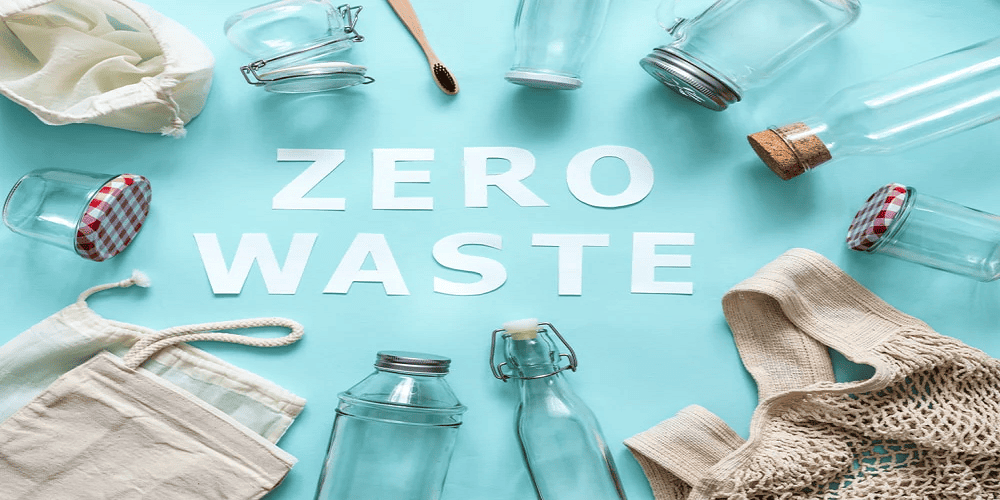
The zero waste lifestyle is more than a modern trend—it is a conscious choice to reduce environmental impact and promote sustainability in every aspect of life. The idea is simple: minimize waste by rethinking what we buy, how we use it, and what happens after we are done. Instead of sending items to landfills or incinerators, the zero waste philosophy encourages reusing, composting, and recycling to create a closed-loop system.
This movement has gained global attention as people become increasingly aware of climate change, pollution, and the depletion of natural resources. By living a zero waste lifestyle, individuals can significantly reduce their carbon footprint while fostering mindful consumption.
Understanding the Concept of Zero Waste
Zero waste is a philosophy that aims to redesign the life cycle of resources so that all products are reused. The goal is to eliminate waste entirely rather than merely managing it. This concept was popularized by environmental activists such as Bea Johnson and Anne-Marie Bonneau, who demonstrated that it is possible to live sustainably without drastically compromising convenience or comfort.
In a zero waste system, products are designed, used, and disposed of in ways that prevent pollution and maximize the life of materials. It’s not about producing literally zero waste but striving toward minimizing it as much as possible.
Core Principles of the Zero Waste Lifestyle
The zero waste movement is guided by the 5 R’s principle, which serves as a roadmap for sustainable living:
- Refuse – Say no to single-use plastics, promotional giveaways, and items you don’t really need.
- Reduce – Limit consumption by buying less and choosing quality over quantity.
- Reuse – Repurpose or repair items to extend their lifespan instead of discarding them.
- Recycle – Recycle materials responsibly when reuse is not an option.
- Rot – Compost organic waste such as food scraps and yard trimmings.
Together, these principles create a circular system that reduces dependence on finite resources and keeps waste out of landfills.
Benefits of a Zero Waste Lifestyle
- Environmental Protection:
Adopting a zero waste lifestyle directly reduces pollution. Fewer products end up in landfills or oceans, lowering greenhouse gas emissions and protecting wildlife habitats. - Financial Savings:
Though eco-friendly products may seem expensive initially, zero waste living encourages mindful consumption. By buying fewer disposable goods, individuals save money in the long run. - Healthier Living:
Many zero waste alternatives eliminate toxic chemicals commonly found in conventional products. Using natural cleaning supplies, organic food, and plastic-free packaging can reduce exposure to harmful substances. - Supports Local Businesses:
Zero waste living often promotes buying from local markets, refill stores, and small-scale producers who emphasize sustainable practices. - Community Building:
Zero waste living fosters a sense of community through sharing, trading, and participating in local environmental initiatives.
Practical Steps to Begin Your Zero Waste Journey
1. Conduct a Waste Audit
Start by analyzing your household waste. Identify the most common types of trash—plastic packaging, paper, food waste—and find alternatives for each.
2. Refuse Single-Use Plastics
Avoid disposable items such as plastic straws, water bottles, cutlery, and grocery bags. Replace them with reusable alternatives made of glass, stainless steel, or bamboo.
3. Embrace Minimalism
Owning fewer things can simplify life and reduce waste. Choose versatile, durable items and focus on experiences rather than possessions.
4. Shop Mindfully
Support brands that use eco-friendly packaging or allow refills. Buy in bulk to minimize packaging waste and bring your own containers whenever possible.
5. Compost Organic Waste
Food scraps and yard waste can be composted to create nutrient-rich soil. This reduces methane emissions from landfills while enriching your garden naturally.
6. Switch to Sustainable Fashion
Fast fashion contributes significantly to pollution. Opt for secondhand clothing, organic fabrics, or brands with transparent supply chains.
7. Use Natural Cleaning Products
Create homemade cleaning solutions using ingredients like vinegar, baking soda, and lemon. These are effective, affordable, and chemical-free.
8. Rethink Personal Care
Replace disposable razors, cotton pads, and plastic toothbrushes with sustainable versions. Refillable deodorants, shampoo bars, and menstrual cups are eco-friendly alternatives.
9. Cook at Home
Eating out often leads to disposable packaging waste. Cooking at home allows better portion control, healthier meals, and reduced food waste.
10. Spread Awareness
Share your experiences with friends and family. Encouraging others to adopt small sustainable changes can multiply the positive impact.
Common Challenges in a Zero Waste Lifestyle
While the idea of zero waste is inspiring, it comes with its challenges:
- Accessibility:
Not every area has bulk stores, recycling facilities, or composting options. - Convenience:
Modern life is built around convenience, and transitioning to zero waste often requires more time and planning. - Cost Barrier:
Sustainable alternatives can be expensive upfront, although they tend to last longer. - Social Pressure:
Friends or family may not share the same enthusiasm for zero waste living, making it harder to stay consistent. - Learning Curve:
It takes time to develop new habits, understand recycling symbols, and identify greenwashing tactics by brands.
Despite these challenges, gradual progress is far more sustainable than perfection. Every small change counts.
Zero Waste Living in Different Aspects of Life
Home and Kitchen
Switch to reusable glass jars, stainless steel lunch boxes, and cloth napkins. Avoid plastic wrap by using beeswax wraps or silicone lids. Compost your food waste regularly.
Office and Work
Go paperless by digitizing documents. Bring your own coffee mug and lunch to work. Encourage recycling programs within the workplace.
Travel
Travel sustainably by carrying your own water bottle, utensils, and cloth bags. Avoid single-use hotel toiletries and pack solid shampoos and soaps.
Celebrations and Events
Opt for digital invitations, reusable decorations, and locally sourced food. Gifts can be wrapped in reusable cloth or newspapers.
Shopping
Support ethical brands, thrift stores, and local farmers’ markets. Prioritize quality, durability, and repairability over impulse buys.
The Role of Technology in Zero Waste Living
Technology can support zero waste living in multiple ways. Mobile apps help track waste, locate recycling centers, or find sustainable stores. Online communities allow people to share resources and tips. E-commerce platforms now offer eco-friendly products with minimal packaging. However, technology must be used responsibly—buying fewer gadgets and recycling e-waste properly is crucial to maintaining sustainability.
How Businesses Can Embrace Zero Waste Practices
Organizations can play a major role in advancing zero waste principles. Some practical strategies include:
- Sustainable Packaging: Using compostable or reusable packaging materials.
- Recycling Programs: Establishing systems to recycle office waste effectively.
- Energy Efficiency: Using renewable energy sources like solar power.
- Waste Audits: Tracking and reducing operational waste regularly.
- Employee Training: Educating staff on sustainable practices and responsible consumption.
Several global brands have started “take-back programs” to recycle old products or packaging, setting positive examples for others to follow.
Zero Waste Lifestyle and the Circular Economy
The zero waste lifestyle closely aligns with the circular economy model, which focuses on keeping resources in use for as long as possible. Instead of the traditional linear system of “take, make, dispose,” the circular economy promotes reuse, repair, remanufacturing, and recycling.
By embracing circular systems, we can reduce pressure on natural resources, lower greenhouse gas emissions, and create sustainable jobs in the recycling and green technology sectors.
Zero Waste Myths and Misconceptions
- “Zero waste means producing absolutely no trash.”
This is a misconception. The goal is to minimize waste, not eliminate it completely. - “It’s too expensive.”
While some eco-friendly products have higher initial costs, they are reusable and more durable, making them cost-effective over time. - “It’s inconvenient.”
Once habits form, zero waste living becomes second nature and often simplifies daily routines. - “One person can’t make a difference.”
Collective small efforts lead to significant global impact. Every sustainable choice counts.
Success Stories Around the World
Across the globe, cities and communities are implementing zero waste strategies. San Francisco aims for zero waste by improving recycling systems and banning single-use plastics. In Japan, Kamikatsu has achieved an impressive 80% waste recycling rate by sorting waste into over 40 categories. These examples show that with community participation and proper infrastructure, zero waste goals are achievable.
At the individual level, influencers like Bea Johnson and Lauren Singer have inspired millions through their minimal waste lifestyles, proving that it is possible to live comfortably with sustainability in mind.
The Future of the Zero Waste Movement
The zero waste movement is evolving rapidly as more people and organizations recognize the urgency of environmental conservation. Innovations such as biodegradable materials, circular business models, and sustainable urban planning are shaping the future of waste reduction.
Governments are introducing stricter policies on plastic use and encouraging recycling initiatives. As education and awareness grow, more consumers are choosing eco-friendly products, pushing industries to adapt.
The future holds promise for a world where waste is viewed as a resource rather than a burden—creating a sustainable balance between people, the planet, and the economy.
Final Thoughts
A zero waste lifestyle is a conscious and empowering choice to live in harmony with the environment. While it may seem challenging initially, even small, consistent actions can create lasting change. From carrying a reusable bag to composting food waste, every decision shapes a more sustainable future.
The journey toward zero waste is not about perfection but about progress. It’s about making better choices every day—choices that protect our planet for generations to come.
FAQs
1. What is a zero waste lifestyle?
A zero waste lifestyle aims to minimize waste by refusing disposable products, reducing consumption, reusing materials, recycling, and composting organic waste.
2. Is it possible to produce absolutely no waste?
Producing zero waste is nearly impossible, but the goal is to minimize it as much as possible through conscious living and sustainable choices.
3. How can beginners start a zero waste lifestyle?
Start small—carry a reusable bottle, say no to plastic bags, and compost kitchen waste. Gradually incorporate more sustainable habits over time.
4. Are zero waste products expensive?
Some may cost more initially, but since they are reusable and long-lasting, they save money in the long run.
5. Can zero waste living really help the environment?
Yes. It reduces pollution, conserves resources, and lowers greenhouse gas emissions, contributing to a healthier planet.
6. What are some examples of zero waste alternatives?
Reusable straws, cloth bags, glass jars, bamboo toothbrushes, shampoo bars, and stainless-steel lunch boxes are popular zero waste products.
7. How can I practice zero waste at work?
Use digital documents, bring your own mug and utensils, and participate in office recycling or composting programs.
8. What role does composting play in zero waste living?
Composting diverts organic waste from landfills, reduces methane emissions, and creates nutrient-rich soil for gardening.
9. Can families with children follow a zero waste lifestyle?
Yes. Families can use cloth diapers, buy secondhand toys, and teach kids sustainable habits from a young age.
10. Why is zero waste important for the future?
It helps combat climate change, protects ecosystems, and ensures that future generations inherit a cleaner, healthier planet.
Leave A Comment
0 Comment