
Family entertainment is no longer just about arcade games or bowling alleys. Today, people want shared experiences—places where parents can relax while children explore, learn, and play. If you plan to launch family entertainment venture, you are stepping into a booming industry. But success does not come by accident. It needs careful planning, creative ideas, and a deep understanding of what modern families truly want.
When you launch family entertainment space, you must think beyond fun. You need safety, affordability, variety, and comfort. Families decide where to spend their weekends based on convenience and value. So, your job is to build a destination that feels like a second home. This guide will walk you through every step—from idea to grand opening—so you can launch family entertainment project with confidence.
Why Now Is the Right Time to Launch Family Entertainment
The global family entertainment center market is growing fast. After years of digital isolation, families crave real-world interaction. Parents want their kids to run, jump, and socialize—not just stare at screens. That is why if you launch family entertainment business today, you enter a market with rising demand.
Additionally, multi-generational outings are becoming popular. Grandparents, parents, and kids want to enjoy time together. A well-designed venue offers activities for all ages. So, when you launch family entertainment center, you cater to toddlers, teenagers, and adults in one roof. This broad appeal increases repeat visits and word-of-mouth marketing.
Step 1: Research Before You Launch Family Entertainment
Before you spend any money, research your local area. Visit existing play zones, arcades, and indoor parks. Notice what they do well and where they lack. Do they have poor parking? Unclean restrooms? Limited food options? These gaps are your opportunities.
Also, talk to families. Ask them what they wish existed nearby. Some might say trampolines. Others might request quiet reading corners for parents. When you launch family entertainment facility, you must solve real problems. Surveys, social media polls, and local parenting groups give you honest feedback.
Check demographics too. If your town has many young children, soft play areas work best. If teens are your main crowd, laser tag and VR zones become essential. Knowing your audience helps you launch family entertainment model that actually sells.
Step 2: Choose Your Concept Wisely
Not all family entertainment is the same. You can launch family entertainment as an indoor playground, a bowling-plus-arcade hybrid, a ninja warrior course, or even a creative arts studio. The key is differentiation. Do not copy the competitor next door. Instead, find your unique angle.
For example, combine education with fun. Science museums with climbing walls. Libraries with puppet theaters. When you launch family entertainment with a learning twist, schools and parent groups will book field trips. That gives you steady weekday revenue.
Alternatively, focus on parties. Birthday packages drive huge profits. If you launch family entertainment venue that specializes in themed parties—unicorn, superhero, dinosaur—you can charge premium rates. Just ensure your staff handles large groups efficiently.
Step 3: Legal and Safety Checklist
Safety is non-negotiable. Before you launch family entertainment operations, get all necessary permits. These include fire safety certificates, health department approvals (if serving food), and liability insurance. Many new owners overlook insurance, but one small accident can close your business.
You also need staff trained in first aid and CPR. Install soft padding on all sharp corners. Use anti-slip flooring. Secure heavy equipment to walls. When you launch family entertainment space, invite a safety consultant to inspect everything. Parents will trust you more if they see visible safety measures like sanitizer stations, height restrictions signs, and emergency exits.
Step 4: Location and Layout Planning
Location can make or break your plan to launch family entertainment center. Choose a spot with high foot traffic, easy highway access, and ample parking. Strip malls near grocery stores work well because parents already visit that area. Also, consider proximity to schools and residential neighborhoods.
Inside, design a layout that allows supervision. Parents should see their children from seating areas. Use glass walls or open mezzanines. When you launch family entertainment venue, create distinct zones: one for toddlers, one for active play, one for quiet activities. This prevents older kids from accidentally hurting little ones.
Don’t forget restrooms with changing tables and family stalls. Also, add a breastfeeding room. Small touches like these show that you truly understand families. They will remember your care and return often.
Step 5: Technology and Ticketing Systems
Modern family entertainment requires smart tech. When you launch family entertainment business, invest in a point-of-sale system that handles memberships, party bookings, and waivers digitally. Parents hate filling paper forms. Digital waivers signed on an iPad save time.
Also, offer online booking for time slots. This controls crowd size and reduces wait times. Use RFID wristbands for arcade credits or access control. When you launch family entertainment with seamless tech, you improve customer experience and gather data on popular activities.
Consider a loyalty app. Every time a family visits, they earn points toward free entry or food. Gamification keeps them engaged. You can even send birthday discounts via SMS. Technology, when used well, turns a one-time visitor into a regular.
Step 6: Staff Training and Culture
Your staff are the face of your brand. Before you launch family entertainment venue, train every employee in guest service, conflict resolution, and emergency response. Hire people who genuinely like children. A bored or rude worker can ruin a family’s day.
Create a fun work culture. Allow staff to play games during slow hours so they understand the equipment. Reward employees who receive positive online reviews. When you launch family entertainment with a motivated team, your energy becomes contagious. Happy staff create happy guests.
Also, have clear protocols for lost children, injuries, and disruptive behavior. Practice drills. Parents feel safer knowing you have a system. You can even display your safety protocols on the wall—transparency builds trust.
Step 7: Pricing Strategies That Work
Pricing is tricky. If you charge too much, families avoid you. Too little, and you cannot cover costs. When you launch family entertainment center, consider tiered pricing. Offer hourly rates, half-day passes, and monthly memberships. Memberships guarantee recurring revenue.
Also, provide sibling discounts and family packages. For example, “$25 for first child, $15 for each sibling.” This encourages larger groups. Another tactic: free entry for children under two. Parents with infants love this.
Do not forget concessions. Pizza, coffee, and snacks have high margins. When you launch family entertainment business, design your menu for speed and profit. Avoid kitchens that require full chefs—simple heat-and-serve items work best. Just ensure healthy options like fruit packs and water are available.
Step 8: Marketing Before the Grand Opening
Start marketing at least two months before you launch family entertainment venue. Use social media teasers: show construction progress, introduce staff members, and post sneak peeks of attractions. Create a waiting list for opening day discounts.
Partner with local schools, daycares, and pediatrician offices. Distribute flyers with a “first visit free” coupon. Offer free passes to parent influencers in your city. When they post about your soft opening, their followers will trust you more.
Email marketing is powerful too. Collect emails through a simple landing page. Send weekly updates and countdowns. When you finally launch family entertainment doors, your list turns into paying customers. Also, run a contest: “Tag three friends to win a year pass.” This goes viral locally.
Step 9: Soft Opening and Feedback Loop
Do not rush your grand opening. First, hold a soft opening for friends, family, and selected local families. Invite them for free or at 50% discount. Ask them to fill out feedback forms. Watch how they move through your space. Where do crowds form? Which games break often? Is the music too loud?
Use this feedback to tweak operations before the public launch. When you launch family entertainment fully, you want everything polished. Fix lighting, adjust temperature, restock bathrooms, and test all equipment. A single broken machine on day one creates negative first impressions.
Also, train your staff during soft opening. Let them practice check-in procedures, food service, and party hosting. Role-play difficult situations like a crying child or an angry parent. Preparation prevents chaos later.
Step 10: Grand Opening Day Strategies
Finally, the big day arrives. To successfully launch family entertainment venue, offer irresistible opening week deals. For example, “Pay once, play all month” or “Buy one hour, get one free.” Invite local media and bloggers. Cut a giant ribbon with oversize scissors for photo opportunities.
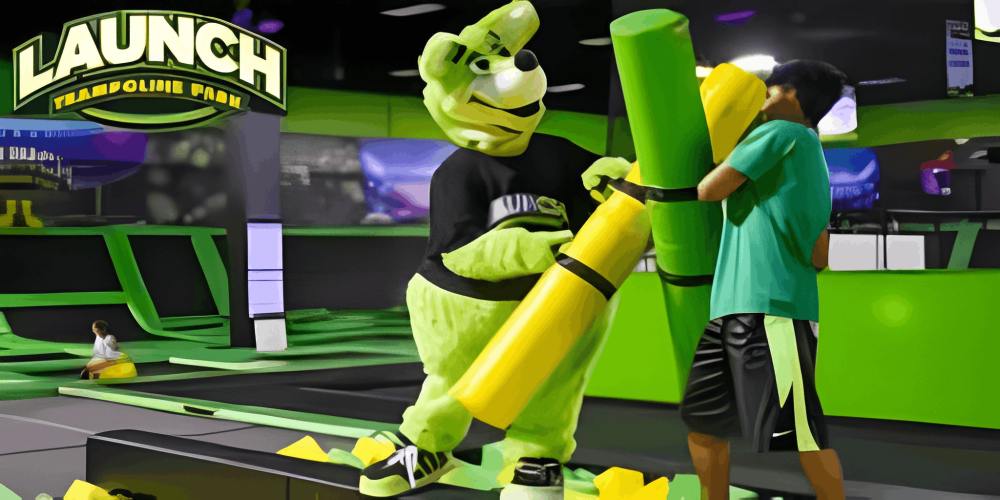
Schedule hourly shows or mascot appearances. A magic show at 11 AM, a dance party at 1 PM, a puppet show at 3 PM. This spreads crowds throughout the day. Also, give away free balloons and stickers to children—they will beg their parents to return.
Collect emails and phone numbers at the door. Offer a spin-the-wheel prize for everyone who signs up. Prizes can be small: free fries, extra 15 minutes, or a keychain. This builds your database for future promotions. When you launch family entertainment with a data-driven approach, your second month will be even stronger than the first.
Step 11: Managing Operations Post-Launch
Your work does not end after you launch family entertainment center. Daily maintenance is critical. Clean high-touch surfaces every two hours. Check ball pits for lost items and germs. Replace worn-out trampoline mats immediately. A dirty venue loses customers fast.
Schedule deep cleaning weekly. Hire a night crew to sanitize everything. Also, track which attractions are most popular. If the climbing wall has long lines, add more sessions. If the art corner is always empty, replace it with something else. Use data, not guesswork.
Manage your finances strictly. Monitor utility bills, payroll, and supply costs. Many venues fail because they overspend on fancy decor but neglect routine repairs. Keep a reserve fund for emergencies like a broken HVAC system. If you launch family entertainment without financial discipline, you will struggle to survive the first slow season.
Step 12: Expanding and Adding New Attractions
After six months of stable operation, think about growth. Survey your customers: “What would you like us to add?” Common requests include a sensory-friendly hour for autistic children, a parents’ lounge with Wi-Fi, or a seasonal outdoor splash pad. When you launch family entertainment expansions, you keep the concept fresh.
Consider renting out your space for after-hours corporate events or school fundraisers. That generates extra income without adding new equipment. Also, sell merchandise like T-shirts, water bottles, and socks. Branded items turn families into walking advertisements.
If your first location succeeds, you can launch family entertainment second branch in a neighboring town. Use the same operating system but adjust the concept to local tastes. Chain expansion works well if you maintain quality standards. Just do not grow too fast—one profitable location beats two struggling ones.
Common Mistakes to Avoid When You Launch Family Entertainment
Many entrepreneurs fail because they ignore small but crucial details. First, they underestimate cleaning costs. Ball pits, foam blocks, and soft mats need daily sanitization. Without it, you will face health inspections and bad reviews.
Second, they forget about parents’ comfort. If you only install tiny plastic chairs for kids, parents will leave after 30 minutes. Add couches, phone charging ports, and free Wi-Fi. When you launch family entertainment space that caters to adults too, your dwell time increases, and so do concession sales.
Third, poor party management. Birthday parties are your gold mine, but they require dedicated coordinators. Do not let regular staff handle parties while also manning the front desk. Assign a party host who focuses only on the birthday group. That way, you launch family entertainment reputation for excellent celebrations.
The Financial Reality of Launching Family Entertainment
Let’s talk numbers. To launch family entertainment small center (3,000–5,000 sq ft), you may need $150,000 to $400,000. This covers leasehold improvements, equipment, licenses, marketing, and three months of operating cash. Larger venues with go-karts or water features exceed $1 million.
Funding options include small business loans, investor partnerships, or crowdfunding. Some owners start small—renting a church hall on weekends—then grow. The key is to not over-leverage. A modest start with solid profits is better than a lavish launch that goes bankrupt in six months.
Your break-even point typically occurs after 12–18 months. Monthly expenses include rent ($5k–$15k), payroll ($10k–$30k), utilities ($2k–$5k), insurance ($1k–$3k), and marketing ($1k–$5k). Revenue comes from admission fees, party packages, food, and merchandise. To survive, you need at least 150–300 daily visitors on weekends and 50–100 on weekdays.
Real-Life Success Stories
Consider “Jump & Joy” in Texas. The owner used to run a daycare. She decided to launch family entertainment center with soft play, a sensory room, and a coffee bar. Within two years, she had 4,000 monthly members. Her secret? She listened to moms. When mothers asked for a place to nurse privately, she added a lactation room. When they requested homework help tables, she installed them. Small changes created fierce loyalty.
Another example: “Retro Realm” in Ohio. They chose to launch family entertainment as a vintage arcade plus modern escape rooms. Parents loved sharing their childhood games with kids. Escape rooms attracted teens. They now host corporate team-building events too. By blending nostalgia with novelty, they achieved profitability in 10 months.
Final Checklist Before You Launch Family Entertainment
Before you open doors, confirm these items:
- ✅ Business license and insurance active
- ✅ All equipment tested and padded
- ✅ Staff trained and background-checked
- ✅ Restrooms stocked with changing stations
- ✅ First aid kit and emergency plan ready
- ✅ Online booking system working
- ✅ Social media pages updated with hours
- ✅ Signage visible from the street
- ✅ Price list posted at entrance
- ✅ Cleaning schedule posted for staff
Tick every box, and you are ready to launch family entertainment with confidence.
Frequently Asked Questions (One-Line Answers)
- What is the best age group to target when I launch family entertainment?
Children aged 2 to 12 are your primary audience, but include activities for teens and seating for parents. - How much space do I need to launch family entertainment successfully?
At least 2,500 square feet for a basic indoor playground; 5,000+ square feet for multi-attraction centers. - What is the most profitable attraction when I launch family entertainment?
Birthday party packages generate the highest profit margins, often 60–70% after costs. - Do I need a food license to launch family entertainment with snacks?
Yes, if you serve anything beyond pre-packaged items, you need health department approval. - How long does it take to launch family entertainment from idea to opening?
Typically 6 to 12 months, depending on permits, construction, and equipment delivery. - Can I launch family entertainment on a tight budget of $50,000?
Yes, start with a mobile party rental service or a small pop-up play area in an existing venue. - What insurance is mandatory when I launch family entertainment?
General liability, product liability, and accident medical insurance are essential. - How do I compete with free public playgrounds when I launch family entertainment?
Offer climate control, unique attractions, party hosting, and clean private restrooms. - Should I offer monthly memberships when I launch family entertainment?
Absolutely—memberships provide stable recurring revenue and customer loyalty. - **What is the biggest mistake people make when they launch family entertainment?
Underestimating cleaning and maintenance costs, leading to poor hygiene and bad reviews.
Conclusion
To launch family entertainment successfully, you need heart, hustle, and attention to detail. The industry rewards those who prioritize safety, listen to parents, and constantly refresh their offerings. Start small, test your concept, and scale wisely. With the strategies above—from research and layout to pricing and marketing—you can build a beloved local landmark. Families are waiting for a place that feels safe, joyful, and worth their time and money. Go ahead and launch family entertainment that brings smiles for generations.
Leave A Comment
0 Comment