
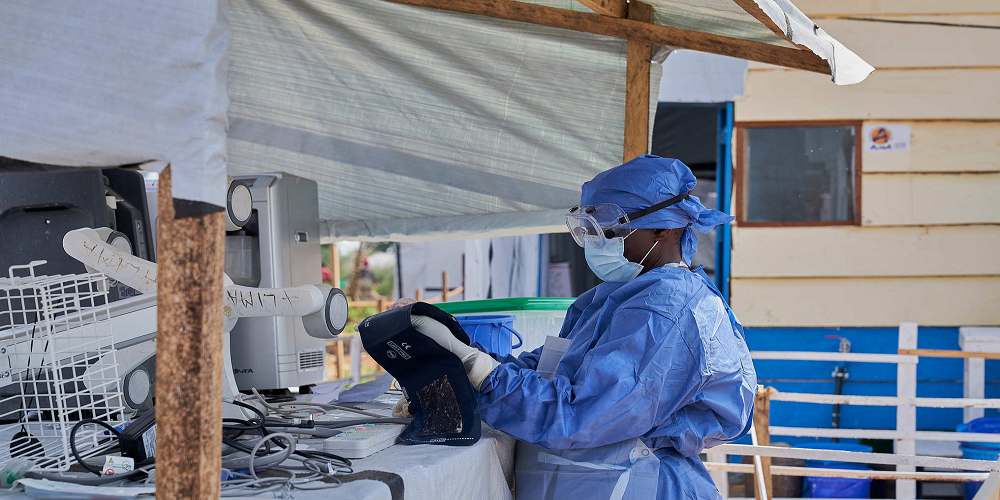
The topic ebola cases france often attracts attention whenever there is news about a suspected infection, a traveler arriving from an affected country, or increased health surveillance across Europe. Ebola is one of the world's most serious viral diseases because of its high fatality rate and the speed at which it can spread through direct contact with infected bodily fluids. Although France has reported suspected cases over the years, confirmed Ebola infections within the country have remained extremely rare due to strong healthcare systems, rapid testing, and strict public health measures.
Understanding ebola cases france requires looking beyond headlines. Many suspected cases ultimately test negative, while confirmed cases are managed under strict isolation procedures. France has invested heavily in emergency preparedness, laboratory testing, airport screening, and collaboration with international health organizations to reduce the risk of local transmission.
This article explains the history of Ebola, how France responds to suspected cases, current prevention strategies, travel guidance, symptoms, diagnosis, treatment, and what residents and visitors should know.
What Is Ebola?
Ebola is a severe viral disease caused by viruses belonging to the Ebolavirus genus. The illness primarily affects humans and certain animal species. Since its discovery in 1976, Ebola has caused multiple outbreaks, mostly in Central and West Africa.
The disease is considered dangerous because it spreads through direct contact with infected blood, body fluids, or contaminated materials. Unlike airborne illnesses such as influenza, Ebola does not spread through ordinary casual contact or through the air.
Understanding how the disease spreads is important when discussing ebola cases france, as imported infections require immediate identification and isolation.
History of Ebola Outbreaks
Several Ebola outbreaks have occurred during the past five decades. The largest outbreak happened between 2014 and 2016 in West Africa, affecting Guinea, Liberia, and Sierra Leone. Thousands of people lost their lives, and the outbreak prompted countries worldwide, including France, to strengthen emergency preparedness.
Later outbreaks occurred in the Democratic Republic of the Congo and Uganda. These events reminded healthcare systems that imported cases remain possible because of international travel.
Whenever outbreaks occur abroad, discussions about ebola cases france increase as health authorities monitor travelers arriving from affected regions.
Has France Experienced Ebola Cases?
France has reported a number of suspected Ebola infections over the years. Most involved travelers returning from countries experiencing outbreaks or individuals showing symptoms similar to Ebola.
Fortunately, laboratory testing confirmed that the majority of these suspected cases were not Ebola.
France has occasionally treated confirmed Ebola patients under highly controlled medical conditions, including humanitarian workers evacuated from outbreak zones. These patients were cared for in specialized isolation units designed for highly infectious diseases.
The country's experience demonstrates that ebola cases france are extremely uncommon and are managed using advanced infection-control protocols.
Why France Is Prepared for Ebola
France has one of Europe's strongest public health systems. After previous international Ebola outbreaks, French authorities improved preparedness in several important areas.
These include:
- Specialized infectious disease hospitals
- High-security laboratories
- Emergency response teams
- Airport surveillance
- Contact tracing systems
- Isolation facilities
- Protective equipment for healthcare workers
- Cooperation with international organizations
Because of these measures, any suspected ebola cases france receive immediate attention from infectious disease specialists.
How Ebola Reaches Other Countries
Most international Ebola cases occur through travel rather than community transmission.
Possible situations include:
- Travelers infected before leaving an outbreak area
- Healthcare workers returning after humanitarian missions
- Medical evacuations
- Laboratory exposure, although extremely rare
Strict monitoring significantly reduces the likelihood that imported infections will spread within France.
Symptoms of Ebola
Symptoms usually appear between 2 and 21 days after exposure.
Early symptoms include:
- Fever
- Severe headache
- Muscle pain
- Weakness
- Fatigue
- Sore throat
As the illness progresses, patients may develop:
- Vomiting
- Diarrhea
- Abdominal pain
- Skin rash
- Internal bleeding
- External bleeding
- Organ failure
These symptoms resemble several other diseases during the early stages, making laboratory confirmation essential whenever suspected ebola cases france are investigated.
How Ebola Is Diagnosed
Diagnosis cannot rely on symptoms alone because Ebola resembles diseases such as malaria, typhoid fever, dengue fever, and other viral infections.
Doctors first review:
- Recent travel history
- Contact with infected individuals
- Symptoms
- Exposure risks
Laboratories then perform specialized molecular tests capable of detecting Ebola virus genetic material.
France maintains high-level laboratories capable of safely testing suspected samples without exposing healthcare workers or the public.
Treatment Options
There is currently no simple cure for Ebola, but survival has improved significantly with modern medical care.
Treatment focuses on:
- Intravenous fluids
- Electrolyte replacement
- Oxygen support
- Blood pressure management
- Treatment of secondary infections
- Organ support
- Approved antibody therapies in selected cases
Early diagnosis greatly improves survival rates.
Because hospitals managing ebola cases france follow international treatment guidelines, patients receive advanced supportive care from specialized infectious disease teams.
Can Ebola Spread Easily in France?
One common misconception is that Ebola spreads as easily as influenza or COVID-19.
This is incorrect.
Ebola requires direct contact with infected bodily fluids.
The virus does not usually spread through:
- Casual conversation
- Passing someone on the street
- Sitting near another person
- Public transportation without direct exposure
- Normal workplace interactions
This significantly reduces the risk of widespread community outbreaks.
When discussing ebola cases france, health experts emphasize that rapid isolation and infection control make sustained transmission highly unlikely.
Airport Screening and Travel Monitoring
During international outbreaks, France strengthens airport surveillance.
Measures may include:
- Health questionnaires
- Travel history assessments
- Information for arriving passengers
- Medical evaluations when necessary
- Referral to specialized hospitals
Travelers arriving from outbreak regions may also receive instructions about monitoring symptoms for several weeks.
These precautions help identify suspected ebola cases france before community exposure occurs.
Role of Healthcare Workers
Healthcare professionals are the first line of defense against Ebola.
French hospitals regularly train medical staff in:
- Personal protective equipment
- Isolation procedures
- Safe specimen collection
- Waste management
- Emergency response
- Infection prevention
Proper training greatly reduces occupational risk while ensuring patients receive high-quality care.
Public Health Response
If a suspected Ebola patient is identified, health authorities immediately activate emergency protocols.
These typically include:
- Patient isolation
- Laboratory testing
- Contact tracing
- Risk assessment
- Monitoring close contacts
- Environmental cleaning
- Communication with national health authorities
Leave A Comment
0 Comment