
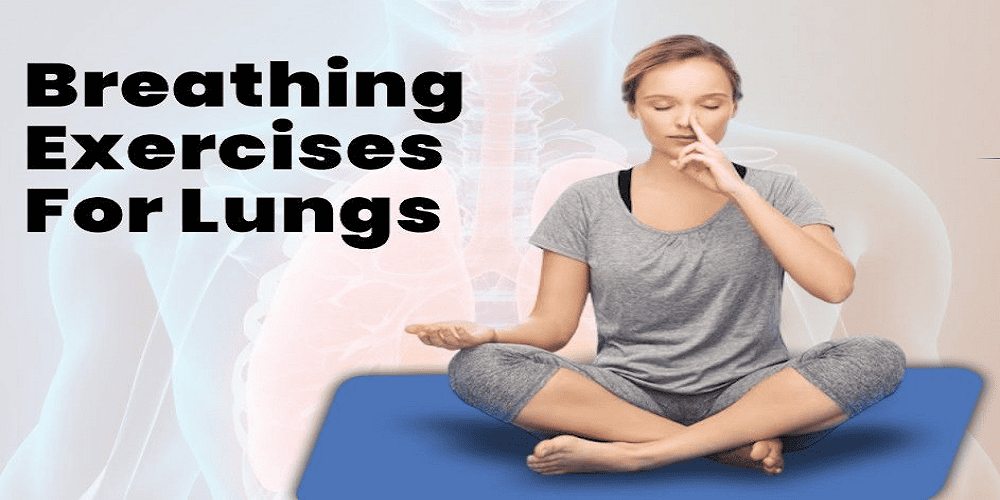
One of the best exercises for lung health is pursed-lip breathing. This technique is simple but highly effective for improving breathing efficiency. It is often recommended for people with asthma, chronic bronchitis, COPD, or anyone who wants to improve lung function naturally.
Pursed-lip breathing slows your breathing rate and helps keep your airways open for longer. This allows stale air trapped inside the lungs to leave more effectively while making room for fresh oxygen.
How to Perform Pursed-Lip Breathing
- Sit comfortably and relax your shoulders.
- Inhale slowly through your nose for about two seconds.
- Purse your lips as if you are about to whistle.
- Exhale gently through your pursed lips for four to six seconds.
- Repeat for five to ten minutes.
Practice this breathing method two or three times daily. It becomes especially useful during physical activity or whenever you feel short of breath.
7. Yoga for Lung Health
Yoga combines controlled breathing with gentle body movements, making it one of the best exercises for lung health. Many yoga poses encourage deeper breathing while expanding the chest and strengthening respiratory muscles.
Yoga also helps reduce stress, which plays an important role in breathing. Anxiety often leads to shallow breathing, while yoga promotes calm and steady respiration.
Some excellent yoga poses include:
Cobra Pose
This pose stretches the chest and opens the lungs, allowing greater airflow.
Bridge Pose
Bridge Pose strengthens the back muscles while expanding the rib cage and improving breathing capacity.
Mountain Pose
Although simple, Mountain Pose encourages proper posture, which allows the lungs to expand fully.
Cat-Cow Stretch
This gentle movement improves chest flexibility and promotes deeper breathing.
Adding yoga sessions three or four times each week can significantly improve respiratory health over time.
8. Interval Training
Interval training involves alternating between periods of moderate and higher-intensity exercise. This method challenges your lungs and cardiovascular system, encouraging them to become stronger.
For beginners, interval training can be as simple as:
- Walk for three minutes.
- Walk briskly for one minute.
- Repeat for twenty to thirty minutes.
As your endurance improves, you can increase the intensity.
Interval training improves oxygen utilization, strengthens breathing muscles, and enhances overall stamina. It is considered one of the best exercises for lung health because it gradually increases lung efficiency without requiring long workout sessions.
9. Stair Climbing
Stair climbing is a convenient workout that strengthens both your legs and your lungs.
When climbing stairs, your body requires more oxygen. This naturally encourages your lungs to work harder, increasing respiratory endurance over time.
Benefits include:
- Improved lung capacity
- Better cardiovascular health
- Stronger breathing muscles
- Increased stamina
- Higher calorie burn
Start with one or two flights and gradually increase your climbing time. Remember to maintain a comfortable pace and avoid overexertion if you have an existing respiratory condition.
10. Dancing
Dancing is a fun way to improve respiratory health while enjoying physical activity. Whether you choose Zumba, aerobic dance, or freestyle dancing, your lungs receive an excellent workout.
Regular dancing helps:
- Increase oxygen intake
- Improve cardiovascular endurance
- Enhance lung efficiency
- Strengthen respiratory muscles
- Boost overall fitness
Because dancing feels less like exercise, many people stick with it consistently, making it one of the best exercises for lung health for long-term fitness.
Additional Breathing Techniques to Improve Lung Health
Beyond structured workouts, simple breathing exercises performed daily can produce remarkable improvements.
Box Breathing
Box breathing involves equal periods of inhaling, holding, exhaling, and holding again.
Example:
- Inhale for four seconds.
- Hold for four seconds.
- Exhale for four seconds.
- Hold for four seconds.
Repeat for several minutes.
Rib Stretch Breathing
Stand upright and inhale deeply while expanding your chest as much as possible.
Hold the breath for several seconds before slowly exhaling.
This exercise improves chest flexibility and lung expansion.
Alternate Nostril Breathing
A common yoga breathing practice, alternate nostril breathing promotes calmness while encouraging balanced airflow through the respiratory system.
Tips to Maximize Lung Health
Exercise works even better when combined with healthy daily habits.
Stay Physically Active
Aim for at least 150 minutes of moderate physical activity every week.
Practice Deep Breathing Daily
Even five to ten minutes each day can gradually improve lung function.
Maintain Good Posture
Slouching compresses the lungs, making breathing less efficient. Standing and sitting upright allows your lungs to expand fully.
Drink Enough Water
Proper hydration keeps mucus thin, allowing your lungs to clear themselves more effectively.
Avoid Smoking
Smoking damages lung tissue and reduces breathing capacity. Quitting smoking is one of the most important steps toward healthier lungs.
Reduce Exposure to Pollution
Whenever possible, avoid outdoor exercise during periods of heavy air pollution. Indoor workouts may be a better option on poor air-quality days.
Get Enough Sleep
Your body repairs itself during sleep, including tissues within the respiratory system.
Foods That Support Lung Health
Although exercise remains essential, nutrition also contributes significantly to respiratory wellness.
Foods that support healthy lungs include:
Leafy Green Vegetables
Spinach, kale, and broccoli contain antioxidants that protect lung tissue.
Citrus Fruits
Oranges, lemons, and grapefruits provide vitamin C, which supports immune function and respiratory health.
Fatty Fish
Salmon and sardines contain omega-3 fatty acids that may help reduce inflammation.
Apples
Apples contain flavonoids that have been associated with improved lung function.
Berries
Blueberries, strawberries, and raspberries are rich in antioxidants that protect cells from oxidative damage.
Nuts and Seeds
Healthy fats and vitamin E support overall respiratory function.
Ginger
Ginger may help reduce airway inflammation and promote easier breathing.
Common Mistakes to Avoid
While performing the best exercises for lung health, avoid these common mistakes.
Exercising Too Hard Too Soon
Gradually increase intensity instead of pushing your body beyond its limits.
Ignoring Breathing Technique
Proper breathing is just as important as the exercise itself.
Skipping Warm-Up
Always prepare your muscles and lungs with a gentle warm-up before beginning.
Holding Your Breath
Many people unconsciously hold their breath while exercising. Focus on smooth, steady breathing throughout each workout.
Being Inconsistent
Lung improvements occur gradually. Consistency matters far more than occasional intense workouts.
Who Should Consult a Doctor Before Starting?
Although these exercises are generally safe, some individuals should seek medical advice first.
Consult your healthcare provider if you have:
- Severe asthma
- COPD
- Heart disease
- Recent lung surgery
- Persistent chest pain
- Frequent dizziness during exercise
A healthcare professional can recommend the safest exercise plan for your condition.
Conclusion
Healthy lungs are essential for maintaining energy, endurance, and overall well-being. Fortunately, improving respiratory health doesn't require expensive equipment or complicated workout routines.
The best exercises for lung health include walking, cycling, swimming, yoga, diaphragmatic breathing, pursed-lip breathing, interval training, stair climbing, and dancing. Each of these activities strengthens your respiratory muscles, improves oxygen delivery, and increases lung capacity over time.
Consistency is the key to success. Even thirty minutes of moderate exercise most days of the week can make a noticeable difference. Combine regular physical activity with healthy eating, proper hydration, quality sleep, and avoiding smoking to achieve long-lasting respiratory health.
Whether you're aiming to boost athletic performance, recover from inactivity, or simply breathe more comfortably, incorporating the best exercises for lung health into your routine is a valuable investment in your overall wellness.
Frequently Asked Questions
1. What are the best exercises for lung health?
Walking, swimming, cycling, yoga, diaphragmatic breathing, pursed-lip breathing, interval training, stair climbing, and dancing are among the best exercises for lung health because they improve lung capacity and breathing efficiency.
2. Can breathing exercises improve lung capacity?
Yes. Regular breathing exercises such as diaphragmatic breathing and pursed-lip breathing strengthen respiratory muscles and improve oxygen exchange, helping increase lung capacity over time.
3. How often should I exercise for healthy lungs?
Most experts recommend at least 150 minutes of moderate-intensity exercise per week, along with daily breathing exercises for optimal lung health.
4. Is walking good for the lungs?
Yes. Walking is one of the safest and most effective exercises for improving lung function, increasing stamina, and enhancing oxygen circulation.
5. Can yoga improve breathing?
Yes. Yoga combines controlled breathing with gentle stretching, helping improve lung expansion, respiratory muscle strength, and overall breathing efficiency.
6. Which breathing exercise is best for beginners?
Diaphragmatic breathing is an excellent choice for beginners because it is simple, effective, and helps strengthen the diaphragm while encouraging deeper breathing.
7. Do lung exercises help people with asthma?
Many breathing exercises and low-impact aerobic activities can benefit people with asthma. However, individuals with asthma should follow their healthcare provider's recommendations before starting a new exercise routine.
8. How long does it take to improve lung health through exercise?
Most people notice improvements in breathing endurance and stamina within four to eight weeks of consistent exercise, although individual results may vary depending on age, fitness level, and overall health.
Leave A Comment
0 Comment