
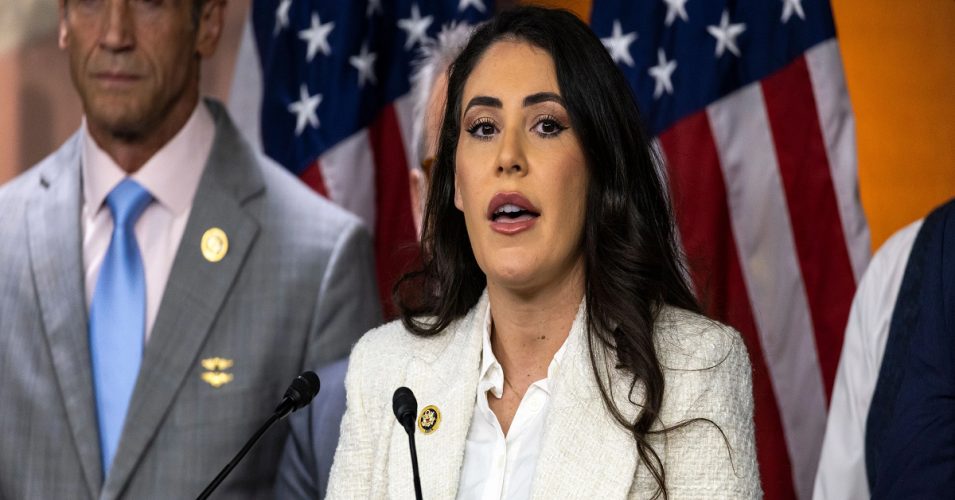
The anna paulina luna house blockade became one of the most talked-about political developments in the United States, drawing attention from lawmakers, journalists, and the public. What began as a dispute over House procedures quickly evolved into a broader debate about congressional authority, legislative priorities, and the balance of power within the U.S. House of Representatives.
Political disagreements are common in Congress, but certain events stand out because they disrupt the normal legislative process. The anna paulina luna house blockade is one such example. Supporters argued that the blockade was necessary to protect democratic principles and ensure that lawmakers had a voice in important decisions. Critics, however, viewed it as an unnecessary disruption that delayed legislative work and created additional political tension.
Understanding the anna paulina luna house blockade requires looking beyond headlines. It involves examining the background of the dispute, the motivations behind the actions taken, the reactions from political leaders, and the potential consequences for future congressional proceedings.
This article explains the issue in simple language while providing a detailed overview of how the situation unfolded and why it became a major national political story.
What Is the Anna Paulina Luna House Blockade?
The term anna paulina luna house blockade refers to a political confrontation within the U.S. House of Representatives in which legislative proceedings faced delays because of procedural disagreements involving Representative Anna Paulina Luna and other members of Congress.
Unlike a physical blockade, this situation involved legislative procedures and parliamentary rules. Members used congressional processes to prevent or delay certain House business until specific concerns were addressed.
Congress operates under detailed procedural rules that determine when bills are debated, how votes are scheduled, and what legislation reaches the House floor. When disagreements arise over these rules, lawmakers sometimes use procedural tactics to gain leverage or force negotiations.
The anna paulina luna house blockade highlighted how internal House rules can become powerful political tools during periods of disagreement.
Background of the Political Dispute
To understand the anna paulina luna house blockade, it is important to examine the political environment in which it occurred.
The U.S. House has increasingly experienced close partisan divisions, making procedural votes almost as significant as votes on legislation itself. When the majority party has only a narrow advantage, even a small number of lawmakers can influence the legislative agenda.
Representative Anna Paulina Luna became a central figure during debates surrounding House procedures, leadership decisions, and legislative priorities. As discussions intensified, procedural disagreements eventually resulted in delays that many observers described as a House blockade.
The dispute reflected broader frustrations among lawmakers regarding how Congress schedules votes and handles controversial issues.
Who Is Anna Paulina Luna?
Anna Paulina Luna serves as a Republican member of the U.S. House of Representatives representing Florida.
Before entering Congress, she gained national attention through her work in conservative politics and veterans' advocacy. Throughout her congressional career, she has often emphasized government accountability, constitutional principles, border security, military issues, and transparency.
Supporters view her as a lawmaker willing to challenge congressional leadership when she believes important principles are at stake. Critics argue that her confrontational style sometimes contributes to political gridlock.
Regardless of political perspective, her role in the anna paulina luna house blockade significantly increased national attention toward House procedural rules.
Why Did the House Blockade Happen?
Several factors contributed to the anna paulina luna house blockade, including disagreements over House procedures, voting schedules, legislative priorities, and institutional authority.
Among the major reasons were:
Questions about how House leadership managed legislative business.
Concerns regarding procedural fairness during floor votes.
Efforts to ensure that certain legislative proposals received consideration.
Disagreements between different groups within the same political party.
Opposition from lawmakers who believed congressional rules were being applied inconsistently.
Because Congress relies heavily on procedural cooperation, disagreements over rules can quickly slow legislative activity.
The anna paulina luna house blockade demonstrated how procedural conflicts may become national political issues even when they are not directly related to a specific piece of legislation.
Understanding Congressional Procedures
Many Americans are unfamiliar with the procedural rules governing the House of Representatives.
Before legislation reaches a final vote, multiple procedural steps usually occur.
These include:
Committee review.
Scheduling by House leadership.
Rules Committee approval.
Debate procedures.
Amendment opportunities.
Final House consideration.
If lawmakers disagree with any part of this process, they can use parliamentary procedures to delay or challenge legislative action.
During the anna paulina luna house blockade, procedural disagreements became the central focus instead of the underlying policy issues.
This illustrates how congressional rules are not merely technical details—they often shape national policymaking itself.
Political Reactions
The anna paulina luna house blockade produced strong reactions from lawmakers across the political spectrum.
Supporters argued that congressional members have both the right and the responsibility to challenge procedures they consider unfair.
According to supporters, procedural resistance can protect minority viewpoints and encourage more transparent decision-making.
Others believed that slowing House business was justified if it forced leadership to negotiate.
Critics took a different position.
They argued that congressional work depends on maintaining efficient legislative operations.
According to opponents, prolonged procedural disputes can delay important legislation involving national security, economic policy, disaster relief, and government funding.
The differing viewpoints reflected broader disagreements about how Congress should balance efficiency with democratic participation.
Public Response
Public opinion regarding the anna paulina luna house blockade was divided.
Many Americans praised lawmakers who appeared willing to challenge congressional leadership.
Others expressed frustration over repeated legislative delays and political conflict.
Political commentators offered varying interpretations.
Some viewed the dispute as evidence of healthy democratic debate.
Others argued that increasing procedural confrontations weaken public confidence in Congress.
Social media further amplified public interest, with supporters and critics sharing competing narratives about the purpose and consequences of the blockade.
Because political events spread rapidly online, the anna paulina luna house blockade quickly became part of broader national conversations about government effectiveness.
Constitutional Questions
The anna paulina luna house blockade also prompted discussions about constitutional principles.
The U.S. Constitution grants each chamber of Congress authority to establish its own procedural rules.
This means the House has broad discretion to determine how legislative business is conducted.
However, constitutional scholars often debate how procedural authority should balance with democratic representation.
Key questions include:
Should individual lawmakers have significant procedural influence?
How much authority should House leadership possess?
Can procedural tactics improve accountability?
When do legislative delays become harmful to effective governance?
Although legal experts may disagree on specific answers, most acknowledge that congressional procedures remain essential to maintaining institutional checks and balances.
Why This Event Matters
The anna paulina luna house blockade matters because procedural disputes increasingly shape American politics.
Modern congressional battles often involve rules, scheduling, committee authority, and legislative strategy rather than only policy disagreements.
Understanding these procedural conflicts helps citizens better understand why Congress sometimes appears unable to move legislation quickly.
The situation also demonstrated how individual lawmakers can significantly influence national political conversations even without introducing major legislation.
As Congress continues facing closely divided political control, procedural disputes similar to the anna paulina luna house blockade may become increasingly common.
Future legislative sessions will likely continue raising questions about leadership authority, member independence, and the role of parliamentary procedures in American democracy.
Leave A Comment
0 Comment