
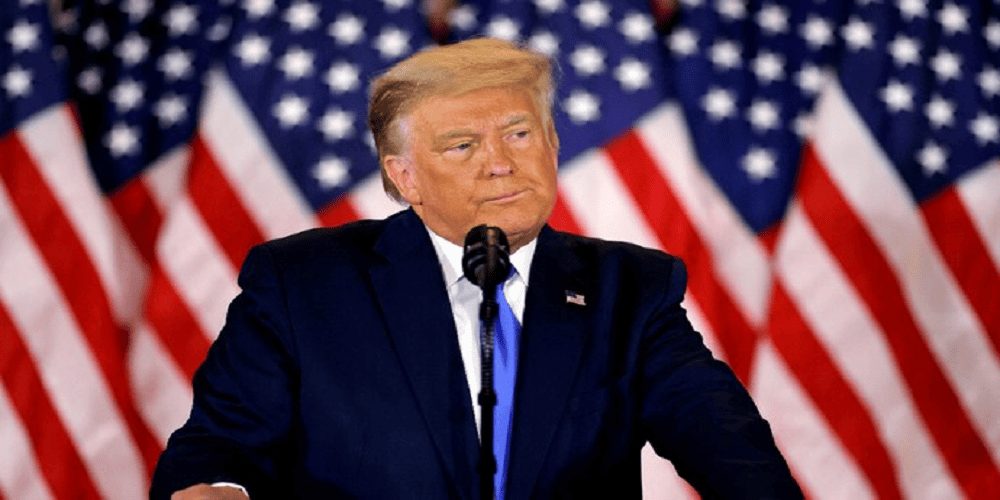
In recent years, immigration and citizenship policies have become some of the most debated issues in the United States. One phrase that has recently attracted significant public attention is judge blocks citizenship database. This development has sparked discussions among legal experts, civil rights organizations, government officials, and ordinary citizens who want to understand how citizenship information is collected, stored, and used.
When news headlines report that a judge blocks citizenship database, many people wonder what the ruling means, why the database was challenged, and how the decision may affect voters, immigrants, and government agencies. Understanding the legal and political implications requires a closer look at citizenship databases, privacy concerns, constitutional rights, and the role of federal courts.
This article explains the background, legal significance, and potential impact of a situation where a judge blocks a citizenship database.
Understanding Citizenship Databases
A citizenship database is a government-managed collection of records containing information about individuals' citizenship status. These databases may include information gathered from immigration agencies, naturalization records, passport applications, and other federal or state sources.
Government agencies often argue that citizenship databases help:
- Verify citizenship status
- Prevent voter fraud
- Improve government record accuracy
- Support immigration enforcement
- Streamline administrative processes
However, critics raise concerns about privacy, data accuracy, discrimination, and potential misuse of personal information.
Whenever a judge blocks citizenship database initiatives, it usually means the court has identified legal concerns that require review before the database can continue operating.
Why Citizenship Databases Become Controversial
Citizenship databases often become controversial because they involve sensitive personal information.
Several issues commonly arise:
Privacy Concerns
Many individuals worry that their personal information could be improperly accessed or shared.
Privacy advocates argue that large databases create risks such as:
- Data breaches
- Identity theft
- Unauthorized surveillance
- Improper government monitoring
Accuracy Problems
Government databases are not always accurate.
Errors may include:
- Incorrect citizenship classifications
- Outdated records
- Duplicate entries
- Missing information
Even a small error rate can affect thousands of people.
Voting Rights Questions
One of the most common reasons courts examine citizenship databases is their connection to voter registration systems.
Some officials seek to compare voter rolls with citizenship databases to identify individuals who may not be eligible to vote.
Opponents argue that database mismatches can incorrectly flag eligible voters and lead to voter suppression.
These concerns often become central when a judge blocks citizenship database efforts.
Legal Foundations Behind Court Challenges
When courts review citizenship databases, judges generally examine whether the database complies with federal and constitutional requirements.
Several legal principles may be involved.
Due Process Rights
The Constitution protects individuals from government actions that unfairly affect their rights without proper procedures.
If a citizenship database causes someone to lose voting rights or government benefits without adequate review, courts may find due process concerns.
Equal Protection
The Equal Protection Clause requires the government to treat individuals fairly.
If a database disproportionately affects specific ethnic, racial, or immigrant communities, courts may examine whether discrimination exists.
Privacy Protections
Federal laws and constitutional principles may limit how personal information is collected and shared.
Judges often consider whether government agencies have exceeded their authority when creating or using citizenship databases.
Administrative Law
Government agencies must follow established procedures when implementing new programs.
If officials fail to follow legal requirements, courts may intervene.
This is another reason why headlines sometimes report that a judge blocks citizenship database programs.
Common Reasons a Judge Blocks Citizenship Database Systems
Courts do not block government databases without reason.
Several factors can lead to judicial intervention.
Insufficient Legal Authority
A government agency must have clear authority to create and manage a database.
If officials exceed their statutory powers, courts may halt the program.
Inaccurate Data Sources
Judges often evaluate whether data sources are reliable.
If evidence suggests widespread inaccuracies, a court may determine that continued use could harm individuals.
Risk of Voter Disenfranchisement
One of the most serious concerns involves voting rights.
Courts may stop database use if there is evidence that eligible citizens could be removed from voter rolls.
Lack of Transparency
Government agencies are generally expected to explain how databases function.
When agencies fail to provide transparency, courts may question the legality of the system.
Constitutional Violations
Potential violations of constitutional protections frequently lead courts to issue injunctions or temporary restraining orders.
In such situations, headlines may report that a judge blocks citizenship database operations until legal questions are resolved.
The Role of Federal Judges
Federal judges serve as independent interpreters of the law.
Their responsibilities include:
- Reviewing government actions
- Protecting constitutional rights
- Resolving legal disputes
- Ensuring compliance with federal statutes
When a judge blocks a citizenship database, the ruling does not necessarily mean the database is permanently illegal.
Instead, the court may:
- Pause implementation
- Require additional evidence
- Order procedural corrections
- Conduct further hearings
The judicial process allows both sides to present arguments before a final decision is made.
Citizenship Databases and Voting Rights
Voting rights are often at the center of disputes involving citizenship databases.
Election officials sometimes use citizenship information to identify potentially ineligible voters.
Supporters claim this helps maintain election integrity.
Critics argue that database errors can mistakenly target legitimate voters.
Examples of potential problems include:
- Naturalized citizens incorrectly listed as noncitizens
- Name mismatches
- Outdated records
- Administrative mistakes
When courts determine that such risks are substantial, a judge blocks citizenship database programs to prevent potential harm while legal challenges proceed.
Impact on Naturalized Citizens
Naturalized citizens may be particularly affected by citizenship database disputes.
Naturalization records can sometimes contain inconsistencies resulting from:
- Name changes
- Data entry errors
- Record transfers between agencies
These discrepancies may create confusion when databases are compared with voter registration records.
Civil rights organizations often argue that naturalized citizens face a higher risk of being incorrectly flagged.
As a result, many lawsuits challenging citizenship databases focus on protecting the rights of naturalized Americans.
Government Arguments Supporting Citizenship Databases
Government agencies typically defend citizenship databases by emphasizing several benefits.
Election Security
Officials argue that accurate citizenship verification helps ensure that only eligible individuals participate in elections.
Administrative Efficiency
Centralized databases may reduce paperwork and simplify verification processes.
Fraud Prevention
Authorities contend that databases help identify fraudulent applications and unauthorized activities.
Data Modernization
Supporters often describe citizenship databases as part of broader efforts to modernize government systems.
Despite these arguments, courts still evaluate whether the implementation complies with legal standards.
Arguments Against Citizenship Databases
Opponents raise numerous concerns.
Privacy Risks
Large government databases can become attractive targets for cybercriminals.
Potential Discrimination
Critics worry that databases may disproportionately impact immigrant communities.
Data Errors
Mistakes in government records can have serious consequences.
Chilling Effects
Some individuals may avoid government programs or civic participation due to concerns about surveillance.
These concerns often appear prominently in cases where a judge blocks citizenship database operations.
Temporary Injunctions Explained
Many people misunderstand what happens when a judge blocks a government program.
In many cases, the ruling is a temporary injunction.
A temporary injunction:
- Pauses implementation
- Preserves existing conditions
- Prevents potential harm
- Allows legal review
The government may later win the case and resume the program.
Alternatively, the court may permanently block the initiative.
The outcome depends on future legal proceedings.
How Courts Evaluate Database Accuracy
Accuracy is a major factor in legal disputes.
Courts often examine:
Error Rates
Even small percentages can affect large populations.
Verification Procedures
Judges assess whether individuals have opportunities to correct mistakes.
Data Sources
Courts review where information originates and whether sources are reliable.
Expert Testimony
Technical experts may explain database limitations and potential risks.
If the evidence suggests significant inaccuracies, a judge blocks citizenship database usage until concerns are addressed.
Privacy and Civil Liberties Considerations
Privacy rights remain central to debates about citizenship databases.
Civil liberties groups argue that government agencies should collect only the information necessary for specific purposes.
Questions frequently include:
- Who can access the data?
- How long is information stored?
- Can records be shared?
- What safeguards exist against misuse?
Courts often require governments to demonstrate strong protections before allowing extensive data collection programs.
Potential Long-Term Effects
When a judge blocks citizenship database initiatives, the consequences can extend beyond the immediate case.
Possible long-term effects include:
Policy Reforms
Governments may revise database procedures to address judicial concerns.
Legislative Action
Lawmakers may introduce new laws governing citizenship data.
Enhanced Privacy Protections
Agencies may adopt stronger safeguards.
Improved Data Accuracy
Courts often encourage better verification processes.
These changes can influence future government programs nationwide.
Public Reactions to Court Decisions
Court rulings involving citizenship databases often generate strong reactions.
Supporters of the Ruling
Supporters argue that judicial oversight protects constitutional rights and prevents government overreach.
Opponents of the Ruling
Critics may contend that blocking databases hinders efforts to maintain accurate records and secure elections.
Neutral Observers
Some experts emphasize that court review is a normal part of democratic governance and helps ensure legal compliance.
The debate often reflects broader disagreements about immigration policy, privacy, and election administration.
Future Legal Challenges
Citizenship databases will likely remain the subject of legal disputes.
Future cases may address:
- Data-sharing agreements
- Artificial intelligence in record verification
- Election administration practices
- Privacy protections
- Federal and state authority conflicts
As technology evolves, courts will continue balancing government interests with individual rights.
The Importance of Judicial Oversight
Judicial oversight plays a critical role in democratic systems.
Courts help ensure that government programs operate within legal boundaries.
When a judge blocks citizenship database programs, the decision demonstrates the judiciary's role in reviewing government actions and protecting constitutional principles.
Such rulings do not necessarily reject the goals of a database. Instead, they require governments to prove that their actions comply with legal standards and respect individual rights.
Conclusion
The phrase judge blocks citizenship database represents more than a legal headline. It highlights an important debate about privacy, government authority, voting rights, and constitutional protections.
Citizenship databases can offer administrative benefits and support government functions. However, concerns about accuracy, discrimination, privacy, and due process often lead to legal challenges. Courts carefully examine whether these systems comply with constitutional requirements and statutory obligations.
When a judge blocks a citizenship database, the ruling typically serves as a safeguard while legal questions are resolved. The decision reflects the balance between governmental interests and individual rights—a balance that remains central to democratic governance.
As future cases emerge, courts, lawmakers, and government agencies will continue shaping the policies that govern citizenship information and its use across the United States.
FAQs
What does "judge blocks citizenship database" mean?
It means a court has temporarily or permanently stopped a government citizenship database from being implemented or used due to legal concerns.
Why would a court block a citizenship database?
A court may block it because of privacy issues, constitutional concerns, inaccurate data, procedural violations, or risks to voting rights.
Are citizenship databases illegal?
Not necessarily. Courts typically evaluate whether a specific database complies with applicable laws and constitutional protections.
How can database errors affect citizens?
Errors may incorrectly identify citizens as noncitizens, potentially affecting voting rights, government services, or administrative processes.
Do citizenship databases impact elections?
They can. Some governments use citizenship information to verify voter eligibility, which is why election-related concerns often arise in legal challenges.
What is a temporary injunction?
A temporary injunction is a court order that pauses a program or action while a legal case is being reviewed.
Can a blocked citizenship database be reinstated?
Yes. If the government successfully addresses legal concerns or wins the court case, the database may be allowed to operate again.
Why are naturalized citizens often mentioned in these cases?
Naturalized citizens may face a greater risk of database mismatches due to record inconsistencies, name changes, or administrative errors.
What role do federal judges play in these disputes?
Federal judges review government actions, interpret laws, and ensure constitutional rights are protected.
Why is the issue important?
The debate affects privacy, voting rights, immigration policy, government transparency, and the balance between public administration and individual freedoms.
Leave A Comment
0 Comment