
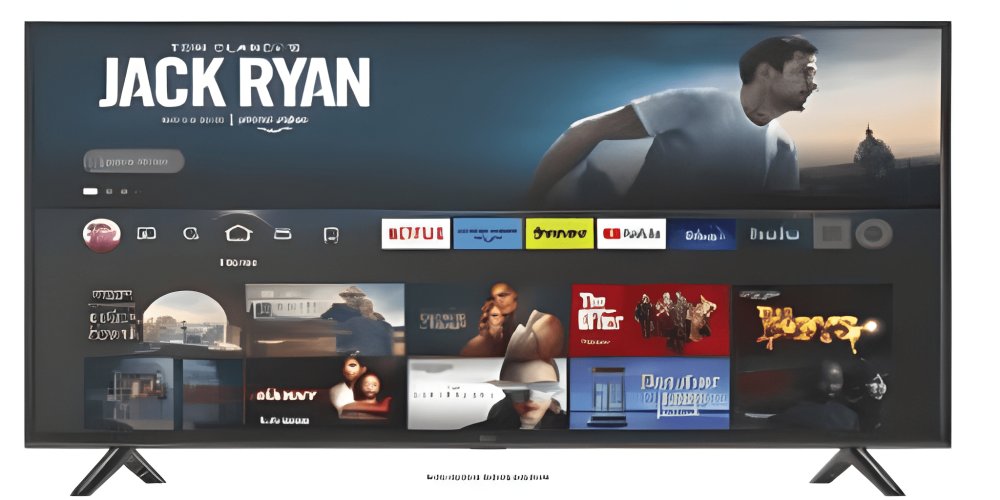
If you own a Fire TV Stick, you might have seen headlines lately about a lawsuit. And if you are like most people, you probably scrolled past them thinking, "Another class action. Whatever." But this one is different. The Amazon Fire TV Stick lawsuit is not some small claims issue. It touches on stuff that actually matters to anyone who streams TV at home.
People are angry. And for good reason.
Let me break down what happened, why it matters, and whether you should care.
How This Whole Thing Started
The first complaints started popping up on consumer forums a couple of years ago. Users noticed their Fire TV Sticks were getting slower. Not the normal kind of slow where an old device just can't keep up anymore. We are talking about a sudden drop in performance right after a software update.
That raised eyebrows.
Then someone dug deeper. And what they found led straight to the Amazon Fire TV Stick lawsuit we are talking about today.
The basic claim is this: Amazon allegedly pushed updates that intentionally slowed down older Fire TV Stick models. Why would they do that? Well, if your device feels sluggish, you are more likely to buy a new one. It is a classic planned obsolescence move. Plenty of companies have been accused of it before. But the Amazon Fire TV Stick lawsuit claims Amazon took it further than most.
See, internal documents (at least according to the plaintiffs) suggested that Amazon engineers knew about the slowdowns. They reportedly flagged the issue internally. But nothing got fixed. Instead, the company kept rolling out updates that made the problem worse.
That is not a good look.
Then Came the Privacy Bombshell
Just when you thought the Amazon Fire TV Stick lawsuit was only about performance, the privacy stuff came out. And honestly, this part is creepier.
The Fire TV Stick has a voice remote. You know, the one with the Alexa button. You press it and ask for a movie or the weather or whatever. Simple, right?
Well, the lawsuit says Amazon was recording more than just those moments. According to court filings, the device sometimes started listening even when nobody pressed the button. False activations, they call it. But here is the problem: those accidental recordings were allegedly sent back to Amazon's servers. And stored. And analyzed.
Think about that for a second.
Your living room conversations. Kids talking. Arguments. Private stuff. All potentially sitting on some Amazon server because your Fire TV Stick thought it heard a wake word.
The Amazon Fire TV Stick lawsuit claims this was never properly disclosed to users. Sure, it is buried somewhere in the terms of service. But who reads those? And even if you did, would you expect your TV stick to be recording you by accident?
That is why this part of the case has gotten so much attention. Privacy advocates are watching closely. If the court rules against Amazon here, it could force major changes across the entire streaming device industry.
What About the Kids?
This is where the Amazon Fire TV Stick lawsuit gets even more sensitive.
Parents bought these devices for family rooms and kids' bedrooms. The lawsuit alleges that Amazon collected viewing data from children without getting proper parental consent. That is a big deal under federal law.
COPPA (the Children's Online Privacy Protection Act) is pretty strict about how you can gather information from anyone under thirteen. You need clear notice. You need verifiable parental consent. You cannot just lump it into a general privacy policy and call it a day.
The Amazon Fire TV Stick lawsuit claims Amazon did exactly that. Or worse, did not even try to get proper consent.
If the court agrees, the fines alone could be massive. And Amazon would likely have to redesign how the Fire TV Stick handles family accounts and child profiles.
Patent Fights on Top of Everything Else
As if privacy and performance issues were not enough, the Amazon Fire TV Stick lawsuit also includes patent infringement claims. Separate companies have accused Amazon of stealing their technology.
One case involves content recommendations. You know how the Fire TV Stick shows you "because you watched this" suggestions? A patent holder says that is their idea. They claim Amazon never paid for the rights to use it.
Another patent dispute is about wireless screen mirroring. How the Fire TV Stick shows your phone or laptop screen on the TV. That technology, according to the lawsuit, belongs to someone else.
Here is why this matters to you as a user. If Amazon loses these patent fights, they might have to remove features. Imagine turning on your Fire TV Stick one day and suddenly the recommendation row is gone. Or screen mirroring stops working. That could really happen.
So the Amazon Fire TV Stick lawsuit is not just about money. It could change how the device actually functions.
Has Amazon Said Anything?
Of course they have.
Amazon's lawyers argue that performance slowdowns are just the natural result of software getting more advanced. Old hardware struggles with new apps. That is not planned obsolescence, they say. That is just how technology works.
On the privacy front, Amazon insists the device only records when it hears the wake word "Alexa" or when you press the button. Any other audio, they claim, is processed locally and immediately deleted. The Amazon Fire TV Stick lawsuit plaintiffs say they have evidence showing otherwise. We will find out who is right when the case goes to discovery.
Amazon also argues that the whole lawsuit is driven by competitors who want to hurt their business. That is possible. Big tech companies sue each other all the time. But the volume of consumer complaints makes it hard to dismiss everything as corporate warfare.
Should You Join the Lawsuit?
If you have owned a Fire TV Stick in the last several years, you might be eligible to join the Amazon Fire TV Stick lawsuit as a class member. You do not need to do much right now. Just hang onto your purchase receipt. Even an old email confirmation or a bank statement works.
When (or if) a settlement gets approved, there will be a website where you can file a claim. You will probably need to provide proof of purchase and maybe your device's serial number. Compensation could range from a few bucks to maybe fifty dollars per device. Nothing life changing. But hey, free money is free money.
Just know that joining the Amazon Fire TV Stick lawsuit does not require you to stop using your device. You can keep streaming like nothing happened. You also do not need to hire a lawyer. Class action rules allow you to join for free.
Can You Opt Out?
Yes. If you do not want to be part of the Amazon Fire TV Stick lawsuit, you can send a written opt-out notice to the court. The deadlines and addresses will be posted on the official case website once the class is certified.
Why would you opt out? Two reasons.
First, if you want to file your own separate lawsuit against Amazon. Maybe you have unique damages that the class action would not cover. Opting out preserves that right.
Second, if you disagree with the settlement terms. Sometimes class actions settle for very little money, and the lawyers get millions. If that happens, you might prefer to walk away.
But for most people, staying in the class is the easiest path. You do nothing, and you might get a small check in the mail a few years from now.
How Long Will This Take?
Here is the honest truth. The Amazon Fire TV Stick lawsuit is going to take a while.
We are probably looking at two to four years before anything gets resolved. Could be longer if there are appeals. Class actions move at a glacial pace. There are motions to file, discovery fights, expert witnesses, settlement negotiations. It is a slog.
If you are hoping for a quick payout, adjust your expectations. This is a marathon, not a sprint.
But that does not mean you should ignore it. Follow the case. Check the official court docket every few months. And definitely keep those purchase receipts somewhere safe.
What Can You Do Right Now?
Even if the Amazon Fire TV Stick lawsuit is still winding through the courts, you can take some simple steps to protect yourself.
First, go into your Fire TV Stick settings. Turn off "Interest-Based Ads" and "Device Usage Data." This will not stop all data collection. But it reduces how much Amazon shares with advertisers. It takes thirty seconds.
Second, clear your cache regularly. Go to Settings > Applications > Manage Installed Applications. Click on each app and hit "clear cache." Doing this once a week can help with performance issues. A lot of users in the Amazon Fire TV Stick lawsuit forums swear by this trick.
Third, think about whether you really need the voice remote. If you rarely use Alexa, you can unpair the remote and just use the regular buttons. That stops accidental recordings entirely. You lose voice search, but you gain peace of mind.
Fourth, save those receipts. I know I said it already. But it is worth repeating. When the Amazon Fire TV Stick lawsuit finally settles, the people who get paid will be the ones who can prove they bought a device.
The Bigger Picture
Here is something worth thinking about.
The Amazon Fire TV Stick lawsuit is not really about one streaming stick. It is about how tech companies treat us after we hand over our money.
For years, companies have gotten away with pushing updates that break things, collecting data without clear consent, and locking us into their ecosystems. The Amazon Fire TV Stick lawsuit might finally force some accountability.
If consumers win, every streaming device maker will take notice. Roku will look at its privacy policies. Google will think twice about slowing down older Chromecasts. Apple might actually let you opt out of more data collection.
That is a good thing, even if you never owned a Fire TV Stick.
But if Amazon wins? Or if the case settles for pennies on the dollar? That sends a different message. It tells tech companies they can keep doing what they are doing. No consequences.
So yeah, the Amazon Fire TV Stick lawsuit matters. Maybe more than you thought.
Final Thoughts
Look, the Fire TV Stick is a convenient little device. It is cheap. It works most of the time. I get why people buy them.
But the allegations in this lawsuit are serious. Intentional slowdowns. Secret recordings. Ignoring children's privacy laws. Stealing patented technology. If even half of it is true, Amazon has some explaining to do.
For now, just stay informed. Keep your receipts. Adjust your privacy settings. And do not throw away that old Fire TV Stick yet. It might end up being worth something after all.
Short FAQs
Can I still use my Fire TV Stick while the lawsuit is happening?
Yes. Joining the lawsuit does not require you to stop using the device.
How much money could I get?
Probably between $5 and $50 per device, depending on how many people join and what the final settlement looks like.
Do I need a lawyer?
No. Class action rules let you join for free. The lawyers get paid from the settlement fund.
What if I lost my receipt?
You can still try to join. Bank statements, email confirmations, or even Amazon order history screenshots can work as proof.
Does this lawsuit cover Fire TV Cube or Fire TV Edition TVs?
The current complaints focus on Fire TV Stick models. But some plaintiffs have asked to include other devices. Check the official case website for updates.
How will I know if a settlement happens?
You will likely get an email or postcard if Amazon has your contact info. The official court website will also post notices.
Leave A Comment
0 Comment