
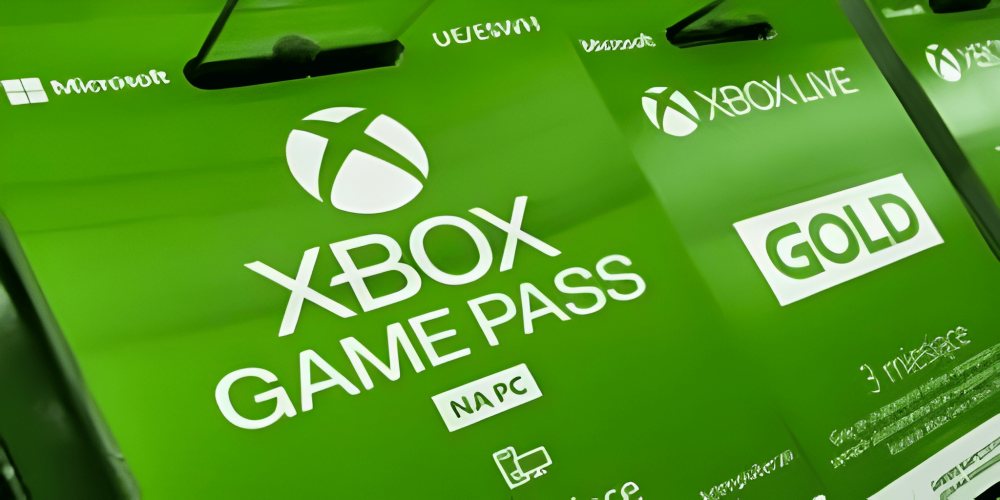
In the modern era of digital entertainment, subscription services have shifted from a convenience to a necessity. From movies to music, consumers are moving away from ownership and toward access. In the gaming world, one name stands above the rest in this transition: Xbox Game Pass. Often hailed as the "Netflix of gaming," Xbox Game Pass has fundamentally altered how millions of people buy, play, and think about video games. However, for those who grew up buying physical discs or downloading individual titles, the concept of a revolving library can feel confusing or even risky. This article provides a deep, human-centric look into everything you need to know about Xbox Game Pass, breaking down its tiers, its value, its hidden pitfalls, and why it has become the most influential product in modern gaming.
What Exactly is Xbox Game Pass?
At its core, Xbox Game Pass is a monthly subscription service offered by Microsoft that grants you access to a large, rotating catalog of games. Instead of paying sixty or seventy dollars for a single new release, you pay a flat monthly fee—typically between ten and seventeen dollars depending on the plan—and you can download and play any game within the library for as long as your subscription remains active. Think of it as a giant digital bookshelf. You walk in, pick a book, read it cover to cover, and put it back. If you cancel your subscription, you lose access to those books, but you also stop paying the monthly fee.
The service launched in June 2017 with a modest library of just over one hundred games. Since then, Xbox Game Pass has exploded in scope, now offering over four hundred titles that span every genre imaginable: first-person shooters, role-playing games, strategy simulations, family-friendly platformers, and blockbuster action adventures. The key differentiator between Xbox Game Pass and competing services like PlayStation Plus or Nintendo Switch Online is the inclusion of first-party titles on launch day. When Microsoft owns a studio—such as Bethesda, Obsidian, or the massive Activision Blizzard—every game that studio releases arrives on Xbox Game Pass the very same day it hits store shelves, and it stays there permanently.
The Different Tiers of Xbox Game Pass Explained
One of the most common sources of confusion for new users is the tiered structure of Xbox Game Pass. Microsoft offers three primary plans, each designed for a different type of player. Understanding these tiers is essential because picking the wrong one can either waste your money or leave you feeling locked out of features you expected.
The first and most basic tier is Xbox Game Pass Core. This replaced the old Xbox Live Gold subscription in September 2023. Core is primarily for people who want to play online multiplayer games like Call of Duty or EA Sports FC. It includes a small, curated library of about thirty-six popular games, but it does not give you access to the full rotating catalog. Core costs around ten dollars per month. Think of this as the entry-level tier for casual players who mostly stick to one or two online games.
The second tier is Xbox Game Pass for Console or Xbox Game Pass for PC. These are separate subscriptions that cost around eleven dollars each per month. They give you unlimited access to the entire library of hundreds of games, but only on one type of device. If you subscribe to the console version, you cannot play those games on a laptop unless you also pay for the PC version. This tier includes day-one first-party releases, but it does not include online multiplayer on the console. That is a critical point. On the console, if you want to play a multiplayer game like Halo Infinite with friends, you still need an additional Core subscription. On PC, online multiplayer is free, so this is not an issue.
The third and most comprehensive tier is Xbox Game Pass Ultimate. At approximately seventeen dollars per month, Ultimate bundles everything together. You get the full console library, the full PC library, online multiplayer capabilities, and a service called EA Play which adds another sixty or seventy games from Electronic Arts. Ultimate also includes cloud gaming, which allows you to play Xbox games on your phone, tablet, or low-end laptop through a web browser without downloading anything. For most dedicated players, Ultimate is the only logical choice because the price difference is small relative to the massive increase in value.
The Day-One Promise: Why Xbox Game Pass Changes Everything
The single most revolutionary aspect of Xbox Game Pass is the day-one release of first-party games. In the traditional gaming model, a new game like Starfield or Forza Motorsport would cost you seventy dollars for the standard edition. With Xbox Game Pass, you pay your monthly fee and play that same game from the moment it launches without any additional charge. If you play just two major first-party releases in a full year, you have already saved money compared to buying them outright.
This model has created a fascinating psychological shift among gamers. When you pay seventy dollars for a game, you feel a pressure to finish it, to justify the expense. You might force yourself to play through a mediocre campaign or grind through boring side quests because you spent real money on the product. With Xbox Game Pass, the cost is sunk into the subscription. If you start a game and do not enjoy it after two hours, you simply delete it and try something else. There is no guilt, no buyer’s remorse. This lowers the barrier to experimentation dramatically. Players who would never have risked forty dollars on an obscure indie game will happily try it on Xbox Game Pass, discover they love it, and then tell their friends. This has proven to be a massive boon for smaller developers who struggle to get attention in a crowded marketplace.
The Rotating Library: What Leaves and What Stays
A frequent question from newcomers is whether games disappear from Xbox Game Pass. The honest answer is yes, but not as quickly as many fear. Microsoft signs licensing agreements with third-party publishers for a set period, typically six months to one year. When that period ends, the game leaves the service. Microsoft announces these departures approximately two weeks in advance, giving you time to finish a game or purchase it at a discounted subscription price.
First-party games from Microsoft-owned studios, however, do not leave. Once a game like Halo, Gears of War, or Forza enters the library, it stays there permanently. The same is true for Bethesda titles like Fallout and The Elder Scrolls, as well as Activision Blizzard games following the massive acquisition that finalized in late 2023. This means the core of the library is stable and growing. You do not need to panic about waking up one morning to find that your favorite Microsoft-published game has vanished. The anxiety around the rotating library is almost entirely limited to third-party games like Grand Theft Auto V, Persona, or Yakuza.
For the average player who finishes a game within a month or two of starting it, the rotation is rarely a problem. The only players who truly suffer are those who start a very long role-playing game, play it casually over six months, and then find it removed before they reach the ending. If you fall into that category, you can always buy the game at a twenty percent discount while it is still in the library.
Cloud Gaming and Accessibility
Cloud gaming is the feature that makes Xbox Game Pass Ultimate genuinely transformative for people without high-end hardware. Through a web browser or the Xbox app on a phone, you can stream hundreds of games directly to your device. The game runs on Microsoft’s server blades, which are essentially custom Xbox Series X consoles, and the video feed is streamed to your screen. Your button presses are sent back to the server. This requires a stable internet connection of at least twenty megabits per second, but it does not require a gaming PC or an Xbox console.
For a parent who wants to play a quick session during lunch break on a work laptop, cloud gaming is a revelation. For a student who cannot afford a five hundred dollar console but already owns a tablet and has decent Wi-Fi, cloud gaming opens up an entire generation of games that would otherwise be inaccessible. The input lag is noticeable in fast-paced competitive shooters, but for single-player role-playing games, strategy games, or platformers, the experience is surprisingly smooth. Microsoft has also integrated touch controls for many games, meaning you do not even need a Bluetooth controller if you are playing on a phone.
The Economics: Is Xbox Game Pass Actually Saving You Money?
To determine whether Xbox Game Pass makes financial sense, you need to look at your own gaming habits. The breakeven point is approximately two to three full-priced games per year. If you typically buy more than three new games annually, the subscription pays for itself. If you only play one or two games a year and you play them for months on end, you might be better off buying those specific titles outright.
There is a hidden economic advantage to Xbox Game Pass that is rarely discussed: the reduction of bad purchases. Before subscription services, the average gamer wasted tens or hundreds of dollars each year on games that looked good in trailers but turned out to be boring, broken, or simply not to their taste. With Xbox Game Pass, you can try any game in the library without risk. You discover what you actually enjoy playing rather than what marketing convinced you to buy. Over a full year, this discovery process alone can save you more money than the subscription costs.
However, there is a trap. Some players keep an Xbox Game Pass subscription active indefinitely even during months when they barely play any games. If you go on a two-month vacation or get busy with work, you are still paying seventeen dollars each month for nothing. The smart strategy is to treat Xbox Game Pass like a gym membership. Subscribe when you have time to use it heavily. Cancel when you know you will be away or occupied. You can resubscribe at any time, and your saved games and achievements remain intact.
The Criticisms: What the Enthusiasts Do Not Tell You
No service is perfect, and Xbox Game Pass has its share of legitimate criticisms. The first and most persistent complaint is the lack of permanent ownership. You do not own any of the games you play through the subscription. If you cancel, you lose access to everything. For players who like to revisit their favorite games years later, this is a dealbreaker. The counterargument is that you can always purchase any game at a discount while it is in the library, but that adds an extra expense that defeats some of the subscription’s value.
The second criticism is the pressure to play quickly. When you know a third-party game is leaving the service in thirty days, you might rush through it, skipping side quests and not fully immersing yourself in the world. Gaming becomes a checklist rather than an experience. This psychological pressure is real, and it affects how much you enjoy the time you spend playing.
The third criticism is the fragmentation of the gaming market. Some industry analysts worry that subscription services like Xbox Game Pass devalue games in the long term. If players become accustomed to paying a flat monthly fee for hundreds of games, they will be less willing to pay full price for standalone titles. This could force developers to design games around engagement metrics and microtransactions rather than artistic vision. So far, Microsoft has avoided this pitfall by continuing to fund ambitious single-player games, but the long-term trend remains uncertain.
Xbox Game Pass vs. The Competition
When comparing Xbox Game Pass to PlayStation Plus and Nintendo Switch Online, the differences are stark. PlayStation Plus offers a similar tiered structure, but Sony does not put its first-party blockbusters on the service on launch day. A game like God of War Ragnarok took more than a year to arrive on PlayStation Plus. Nintendo Switch Online is even more limited, offering a small library of older games and almost no modern releases. For sheer volume and day-one access to major titles, Xbox Game Pass has no serious competitor. The only rival in the broader subscription space is Ubisoft Plus, which is limited exclusively to Ubisoft’s own games.
Frequently Asked Questions About Xbox Game Pass
Do I need an Xbox console to use Xbox Game Pass?
No. You can subscribe to Xbox Game Pass for PC and play on a Windows computer, or subscribe to Xbox Game Pass Ultimate and use cloud gaming on a phone, tablet, or smart TV. The console is only required for the console-specific tier.
Can I download games to play offline?
Yes. Any game you download to your Xbox console or PC can be played offline for up to thirty days before the console needs to reconnect to the internet to verify your subscription. Cloud gaming requires a constant internet connection.
What happens to my saved games if I cancel my subscription?
Your saved games remain on Microsoft’s cloud servers. If you resubscribe at any point in the future, you can pick up exactly where you left off. You can also buy the game outright and continue from the same save file.
How often do new games arrive on Xbox Game Pass?
Microsoft announces two waves of new games each month, typically on the first and third Tuesdays. On average, ten to fifteen games are added every month, while a smaller number are removed.
Does Xbox Game Pass include downloadable content and expansions?
Mostly no. The standard subscription includes only the base version of each game. Expansions, season passes, and additional content must be purchased separately. However, the Ultimate tier includes some special editions and bonus content for first-party games.
Can I share my Xbox Game Pass subscription with family members?
Yes. On an Xbox console, you can set your console as the home console, and anyone who signs into that console can access your subscription benefits. On PC, sharing is more restrictive, but you can sign into the Microsoft Store on multiple devices as long as only one person plays at a time.
Is there a free trial for Xbox Game Pass?
Microsoft occasionally offers a fourteen-day trial for new users for one dollar, but this offer is not always available. You should check the official Xbox website for current promotions. Be aware that the one-dollar trial often converts to a full-price subscription automatically after the trial period ends.
Which games are leaving Xbox Game Pass this month?
Microsoft announces departing games approximately two weeks before the end of each month. You can find this information on the Xbox Game Pass mobile app or the official Xbox news page. The list typically includes three to eight third-party titles.
Can I play Xbox Game Pass games on a Steam Deck?
Yes, but not natively. You need to install Windows on the Steam Deck or use a browser-based cloud streaming workaround. The experience is not seamless, and some features like quick resume do not work properly.
Do I keep games from Xbox Game Pass forever if I claim them?
No. Unlike PlayStation Plus which lets you keep claimed games as long as you remain a subscriber, Xbox Game Pass works on a pure rental model. Once a game leaves the library, you lose access even if you had it downloaded. The only exception is Games with Gold titles claimed through the now-discontinued Xbox Live Gold program.
Final Verdict: Who Should Subscribe to Xbox Game Pass?
Xbox Game Pass is not for everyone, but it is for most people. If you are the type of player who buys two or three new games per year, enjoys trying different genres, and does not mind not permanently owning every title, then the subscription offers extraordinary value. The day-one access to Microsoft’s first-party games alone justifies the cost for many players. If you are the opposite—a player who buys one game per year and plays it for five hundred hours, or someone who prefers physical discs and the security of permanent ownership—then you should skip the subscription and continue buying games individually.
Leave A Comment
0 Comment