
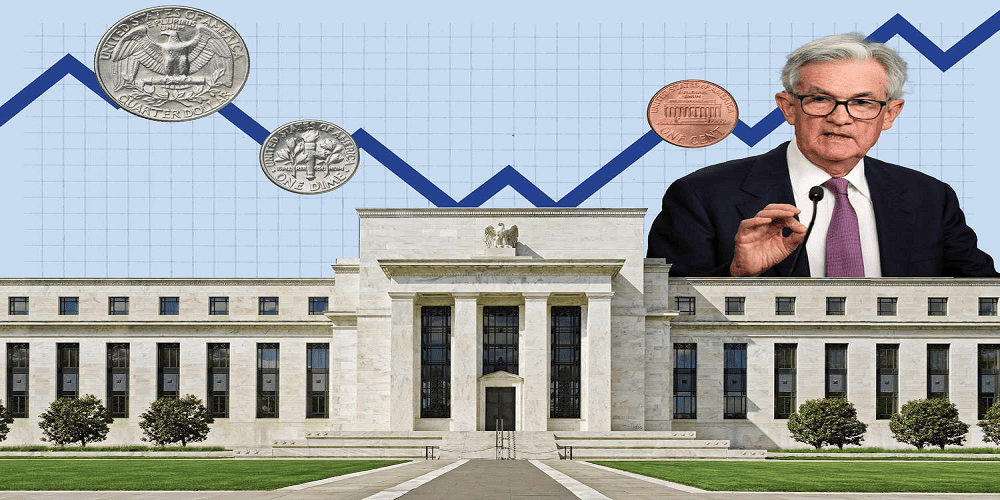
The topic of federal reserve interest rate cuts is one of the most closely watched subjects in global finance. Every time the Federal Reserve shifts its policy stance, financial markets react instantly, businesses adjust their strategies, and consumers re-evaluate their spending and borrowing plans. Understanding how these rate cuts work, why they happen, and what impact they create is essential for investors, homeowners, business owners, employees, and policymakers.
This detailed gluster-style guide explains everything you need to know about federal reserve interest rate cuts, how they shape the US economy, their global influence, and what you can expect in the future. The aim is to make even the most complex economic concepts easy to understand.
1. What Are Federal Reserve Interest Rate Cuts?
The Federal Reserve, also known as the Fed, controls short-term interest rates in the United States. When economic conditions weaken or growth slows, the central bank may reduce these rates. These rate reductions are known as federal reserve interest rate cuts.
When the Fed cuts interest rates:
- The cost of borrowing decreases.
- Banks lend money more easily.
- Businesses and consumers find loans more affordable.
- Investment and spending usually rise.
- Economic growth tends to accelerate.
These decisions directly affect financial markets, loan interest rates, savings account yields, mortgage rates, and even employment levels.
2. Why Does the Federal Reserve Cut Interest Rates?
Understanding the reasons behind federal reserve interest rate cuts helps clarify how the central bank stabilises the economy. The main reasons include:
To Combat a Recession
During economic downturns, consumer spending drops, businesses slow down production, and unemployment rises. Rate cuts encourage borrowing and spending, helping stimulate economic activity.
To Boost Consumer and Business Confidence
Lower rates signal the Fed’s commitment to supporting the economy. This reassurance often encourages companies to expand and consumers to invest in real estate, cars, and other big-ticket items.
To Support Financial Markets
If markets become unstable, reducing interest rates can:
- Inject liquidity into the system
- Reduce borrowing costs for businesses
- Strengthen investor confidence
To Encourage Investment
Lower rates reduce the cost of capital. This motivates companies to invest in new projects, hire more employees, and expand operations.
To Manage Inflation
Although rate hikes are used to fight high inflation, cuts may be used if inflation falls too low. Low inflation signals weakening demand, and rate cuts help revive economic momentum.
3. How Federal Reserve Interest Rate Cuts Work
The Federal Reserve influences the economy through its policy-making arm, the Federal Open Market Committee (FOMC). They meet eight times a year to review economic data and decide whether to:
- Raise interest rates
- Cut interest rates
- Keep rates unchanged
When they decide on federal reserve interest rate cuts, they reduce the federal funds rate, which is the rate banks charge each other for overnight loans. Although it is a short-term rate, it affects:
- Mortgage rates
- Auto loan rates
- Credit card interest
- Business loans
- Personal loans
- Savings account yields
Because banks adjust their lending rates based on Fed policy, rate cuts influence borrowing costs across the entire financial system.
4. Impact of Federal Reserve Interest Rate Cuts on the Economy
Rate cuts create a ripple effect felt across the economy. The effects may be positive or negative, depending on timing and current conditions.
Positive Effects
Lower Borrowing Costs
Consumers can get cheaper home loans, car loans, and credit. Businesses also benefit from affordable financing.
Increased Consumer Spending
Lower interest rates encourage consumers to buy houses, cars, electronics, and invest in long-term purchases.
Higher Investment Activity
Businesses invest in expansion, marketing, and infrastructure when borrowing costs drop.
Stock Market Gains
Rate cuts often push investors toward stocks because bonds become less attractive with lower yields.
Reduced Unemployment
Higher business activity leads to job creation.
Negative Effects
Risk of Excessive Borrowing
Cheap credit may lead to financial bubbles in real estate or stock markets.
Lower Returns for Savers
Savings accounts, CDs, and fixed-income investments offer lower returns.
Weak Currency
Lower rates may weaken the dollar because investors seek higher yields elsewhere.
5. How Federal Reserve Interest Rate Cuts Affect Consumers
Every household experiences the effects of rate cuts differently.
Mortgage Rates Drop
One of the most noticeable effects of federal reserve interest rate cuts is lower mortgage rates. Homebuyers can secure cheaper loans, and existing homeowners may refinance at lower rates.
Cheaper Auto Loans
Banks and lending companies offer more attractive car loan rates, boosting vehicle sales.
Lower Credit Card Interest
Variable credit card rates often drop, lowering monthly payments.
Reduced Savings Returns
Savings account yields decrease, affecting people who rely on interest income.
6. How Federal Reserve Interest Rate Cuts Affect Businesses
Businesses benefit in several ways:
Easier Access to Capital
Lower borrowing costs allow companies to invest in technology, equipment, and new branches.
Reduced Interest Expenses
Companies with existing debt pay less in interest, improving their profitability.
Boost in Consumer Demand
Cheaper credit increases spending, which increases demand for goods and services.
7. Global Impact of Federal Reserve Interest Rate Cuts
The US dollar is the world’s most influential currency, and the Federal Reserve affects global financial markets.
Global Borrowing Costs Decline
Many countries rely on US dollar loans. Lower US rates reduce global borrowing costs.
Emerging Markets Benefit
Cheaper global credit supports foreign investment in developing countries.
Currency Movements
Rate cuts often weaken the US dollar, affecting imports, exports, and trade balances.
8. Historical Examples of Federal Reserve Interest Rate Cuts
The 2008 Financial Crisis
The Fed cut rates to near zero to stabilise collapsing financial markets and rescue failing institutions.
The 2020 Pandemic
The Fed acted quickly to cut rates to zero again to support the economy during widespread lockdowns.
Early 2000s Recession
Rate cuts helped revive the economy after the dot-com bubble burst.
These examples show how rate cuts have been a powerful tool in shaping economic recovery.
9. What Happens When Rate Cuts Are Too Late or Too Early
Timing is critical in monetary policy.
If Cuts Are Too Late
- Economic damage may deepen
- Unemployment may rise faster
- Recession may worsen
If Cuts Are Too Early
- Inflation may increase
- Asset bbbles may grow
- Borrowing may become excessive
The Fed must strike the right balance.
10. The Relationship Between Inflation and Federal Reserve Interest Rate Cuts
Inflation is one of the major drivers of monetary policy.
- High inflation = rate hikes
- Low inflation = rate cuts
When inflation is low, the economy may be slowing, and federal reserve interest rate cuts help stimulate activity.
11. Do Rate Cuts Always Work?
Rate cuts are powerful, but not always guaranteed to deliver results. Their effectiveness depends on:
- Consumer confidence
- Business sentiment
- Glal economic conditions
- Existing debt levels
- Political stability
If people are uncertain about the future, they may not borrow or spend even when rates are low.
12. Who Wins and Who Loses From Rate Cuts
Winners
- Borrowers
- Homebuyers
- Businesses seeking expansion
- Stock market investors
Losers
- Savers
- Bond investors
- Retirees relying on interest income
13. How Rate Cuts Affect Financial Markets
Stock Market
Equities generally rise when interest rates fall because:
- Companies profit more
- Investors move from bonds to stocks
- Borrowing becomes cheaper
Bond Market
Bond prices rise when interest rates fall because yields become lower.
Real Estate Market
Lower mortgage rates boost housing demand and property values.
14. Are Federal Reserve Interest Rate Cuts Good for the Average Person?
For most people, yes. Borrowing becomes more affordable and economic growth improves. However, people who depend on interest income may struggle due to reduced savings returns.
15. The Future Outlook for Federal Reserve Interest Rate Cuts
Whether the Federal Reserve will cut rates in the future depends on:
- Inflation trends
- Employment data
- Economic growth
- Global market conditions
Economists constantly track these indicators to predict upcoming rate changes.
FAQs on Federal Reserve Interest Rate Cuts
1. What are federal reserve interest rate cuts?
They are reductions in the federal funds rate, which lower borrowing costs across the economy.
2. How do federal reserve interest rate cuts affect mortgages?
Mortgage rates usually fall after the Fed cuts rates, making home loans cheaper.
3. Do rate cuts reduce credit card interest?
Yes, variable credit card rates typically decrease after a rate cut.
4. Why does the Federal Reserve cut interest rates?
To stimulate economic growth, reduce unemployment, and support financial stability.
5. Are rate cuts good for the stock market?
Generally yes, because lower borrowing costs increase business profitability and investor confidence.
6. Do federal reserve interest rate cuts reduce inflation?
Rate cuts usually increase inflation because they stimulate spending.
7. How quickly do banks react to interest rate cuts?
Most banks adjust their loan and deposit rates within days or weeks.
8. Do savers benefit from interest rate cuts?
No, savings account yields fall after rate cuts.
9. Do rate cuts help avoid a recession?
They can slow down or prevent a recession if implemented on time.
Leave A Comment
0 Comment