
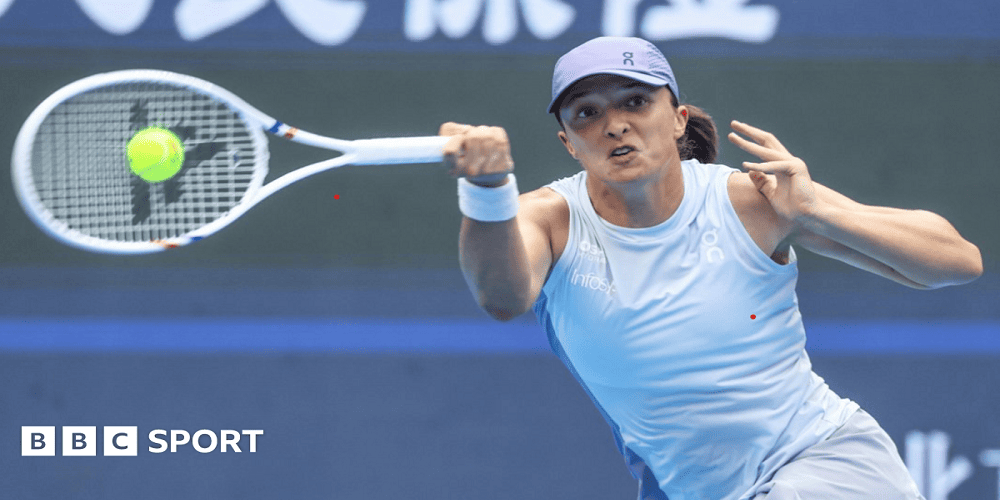
Tennis elbow is a common condition that affects not only athletes but also office workers, manual laborers, and anyone who performs repetitive arm movements. If you are dealing with pain on the outer side of your elbow, a tennis elbow brace can be one of the most effective, affordable, and non-invasive solutions available. This detailed guide explains everything you need to know — from how the brace works to choosing the right one and using it correctly.
What Is Tennis Elbow?
Tennis elbow, medically known as lateral epicondylitis, occurs when the tendons that connect your forearm muscles to the outer elbow become irritated or inflamed. Despite the name, most people who suffer from this condition have never played tennis.
Common Causes
- Repetitive wrist extension
- Overuse of forearm muscles
- Improper lifting technique
- Excessive gripping activities
- Typing, using a mouse, or tool handling
Typical Symptoms
- Pain on the outside of the elbow
- Weak grip strength
- Burning sensation
- Difficulty lifting objects
- Pain when twisting the wrist
This is where a tennis elbow brace becomes extremely helpful.
What Is a Tennis Elbow Brace?
A tennis elbow brace is a supportive device worn around the forearm or elbow to reduce strain on the affected tendons. It helps redistribute pressure, minimize microtears, and allow healing.
Unlike bulky elbow supports, these braces are designed specifically to target tendon stress.
How Does a Tennis Elbow Brace Work?
A tennis elbow brace applies controlled compression to the forearm muscles. This compression:
- Reduces tension at the tendon insertion
- Absorbs vibration during movement
- Improves muscle efficiency
- Minimizes painful stress
Essentially, it shifts the workload away from the injured tendon.
Benefits of Using a Tennis Elbow Brace
Wearing a tennis elbow brace provides several advantages:
1. Pain Reduction
The brace decreases stress on irritated tendons, which helps ease discomfort.
2. Improved Function
It allows you to continue daily activities with less pain.
3. Injury Prevention
Athletes and workers use braces to avoid recurrence.
4. Faster Recovery
By limiting strain, healing may occur more efficiently.
5. Enhanced Stability
The brace provides support without restricting full movement.
Types of Tennis Elbow Braces
Not all braces are the same. Choosing the right tennis elbow brace depends on your pain level, activity type, and comfort.
Counterforce Brace
- Most popular type
- Worn below the elbow
- Applies pressure to forearm muscles
Sleeve Brace
- Provides uniform compression
- Covers elbow and forearm
- Good for mild pain
Strap Brace
- Lightweight and adjustable
- Ideal for sports
Dual Pad Brace
- Offers targeted pressure
- Suitable for severe discomfort
Who Should Use a Tennis Elbow Brace?
A tennis elbow brace is beneficial for:
- Tennis & badminton players
- Golfers
- Gym enthusiasts
- Office workers
- Plumbers & carpenters
- Painters
- Weightlifters
- People with repetitive strain injuries
Even mild symptoms justify early brace use.
When Should You Wear a Tennis Elbow Brace?
Timing matters.
Wear It During:
- Physical activity
- Repetitive tasks
- Sports training
- Heavy lifting
Avoid Wearing:
- While sleeping (unless advised)
- For long inactive periods
The brace supports activity — it is not meant to immobilize.
How to Wear a Tennis Elbow Brace Correctly
Incorrect positioning reduces effectiveness.
Steps:
- Place the tennis elbow brace about 2–3 cm below the elbow
- Position over the forearm muscles
- Tighten snugly but not too tight
- Ensure no numbness or tingling
A properly worn brace should feel supportive, not restrictive.
Choosing the Best Tennis Elbow Brace
Consider these factors before purchasing:
Comfort
Soft padding and breathable fabric matter.
Adjustability
Velcro straps allow customized compression.
Material
Neoprene offers warmth; elastic fabrics improve airflow.
Support Level
Severe pain needs firmer compression.
Activity Type
Sports require lightweight designs.
Key Features to Look For
A high-quality tennis elbow brace should include:
- Adjustable strap
- Durable stitching
- Skin-friendly fabric
- Adequate padding
- Lightweight design
- Sweat resistance
Does a Tennis Elbow Brace Cure the Condition?
A tennis elbow brace does not “cure” the injury directly. Instead, it:
- Supports healing
- Reduces strain
- Manages symptoms
Recovery still requires rest, stretching, and strengthening.
Combining Brace Use with Treatment
For best results, use a tennis elbow brace alongside:
Rest
Reduce aggravating activities.
Ice Therapy
Apply for 15–20 minutes post-activity.
Stretching
Gentle forearm stretches reduce tightness.
Strengthening Exercises
Improves tendon resilience.
Physiotherapy
For chronic cases.
Exercises That Complement Brace Use
While wearing a tennis elbow brace, you can perform:
- Wrist extension stretch
- Wrist flexion stretch
- Eccentric wrist curls
- Grip strengthening
- Forearm rotations
Always avoid sharp pain.
Mistakes to Avoid
Many people misuse a tennis elbow brace.
Wearing Too Tight
Can restrict blood flow.
Wearing All Day
May weaken muscles.
Wrong Placement
Reduces tendon relief.
Ignoring Underlying Causes
Brace alone is not enough.
How Long Should You Use a Tennis Elbow Brace?
Duration depends on severity.
Mild Cases
2–4 weeks
Moderate Pain
4–8 weeks
Chronic Conditions
Several months with therapy
Gradually reduce reliance as pain improves.
Can You Play Sports with a Tennis Elbow Brace?
Yes. In fact, athletes frequently wear a tennis elbow brace during:
- Tennis
- Badminton
- Squash
- Golf
- Gym workouts
It improves confidence and reduces pain flare-ups.
Office Workers and Tennis Elbow
Desk jobs are a hidden cause.
Triggers:
- Continuous mouse use
- Poor wrist posture
- Improper keyboard height
A tennis elbow brace can reduce strain during long working hours.
Gym & Weightlifting Considerations
Improper technique stresses tendons.
High-Risk Exercises:
- Heavy curls
- Reverse curls
- Overhand grips
A tennis elbow brace provides support while correcting form.
Manual Labor & Repetitive Work
Workers benefit greatly from a tennis elbow brace, especially in jobs involving:
- Hammering
- Drilling
- Lifting
- Twisting
It helps maintain productivity with reduced discomfort.
Signs You Need a Brace
Consider a tennis elbow brace if:
- Pain worsens with gripping
- Elbow hurts after activity
- Weakness develops
- Pain persists for weeks
Early intervention prevents chronic issues.
Are There Any Side Effects?
Generally safe when used properly.
Possible Issues:
- Skin irritation
- Excessive compression discomfort
- Temporary muscle dependency
Choosing a breathable, properly fitted tennis elbow brace minimizes problems.
Cleaning and Maintenance
Proper care extends lifespan.
Tips:
- Hand wash with mild soap
- Air dry
- Avoid machine drying
- Store flat
When to See a Doctor
Seek medical advice if:
- Pain lasts more than 6–8 weeks
- Brace provides no relief
- Severe weakness occurs
- Pain radiates
A brace supports — it does not replace diagnosis.
FAQs About Tennis Elbow Brace
1. Does a tennis elbow brace really work?
Yes, a tennis elbow brace helps reduce tendon strain, relieve pain, and support healing when used correctly.
2. Where exactly should I wear a tennis elbow brace?
Position the tennis elbow brace 2–3 cm below the elbow on the forearm muscles, not directly over the joint.
3. Can I wear a tennis elbow brace all day?
It is best worn during activities that trigger pain. Continuous all-day wear is usually unnecessary unless recommended.
4. Can I sleep with a tennis elbow brace?
Most people remove the tennis elbow brace during sleep unless advised otherwise by a healthcare provider.
5. How tight should a tennis elbow brace be?
Snug but comfortable. A tennis elbow brace should not cause numbness or restrict circulation.
6. How long does it take to see results?
Many users notice pain reduction within days to weeks when combining brace use with rest and exercises.
7. Is a tennis elbow brace useful for gym workouts?
Yes, especially during gripping or lifting exercises that stress forearm tendons.
8. Can beginners use a tennis elbow brace preventively?
Absolutely. Athletes often use a tennis elbow brace to prevent overuse injuries.
9. What is better: sleeve or strap brace?
A strap-style tennis elbow brace targets tendon strain more directly, while sleeves offer general compression.
10. Can a brace replace physiotherapy?
No. A tennis elbow brace is most effective when combined with strengthening and rehabilitation exercises.
Final Thoughts
A tennis elbow brace is one of the simplest yet most powerful tools for managing elbow pain caused by repetitive strain. Whether you are an athlete, office worker, or manual laborer, the right brace can significantly reduce discomfort, improve performance, and support recovery.
Consistency, correct usage, and addressing the root cause are key. Choose a comfortable, adjustable brace and pair it with proper rest and exercises for the best outcome.
Leave A Comment
0 Comment