
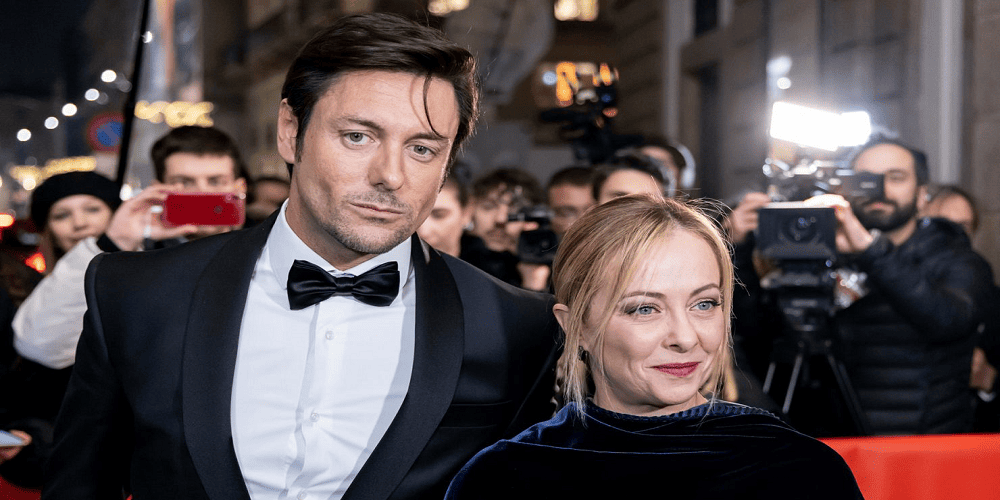
Giorgia Meloni has become one of the most talked-about political figures in Europe. As the first female Prime Minister of Italy and the leader of the right-wing political party Brothers of Italy (Fratelli d’Italia), she represents a significant shift in the nation’s political direction. Her rise to power has been both celebrated and criticized, symbolizing a new wave of nationalism and conservatism in European politics.
This blog provides an in-depth look at Giorgia Meloni’s early life, political journey, ideology, and impact on Italy and the world.
Early Life and Background
Giorgia Meloni was born on January 15, 1977, in Rome, Italy. She grew up in the Garbatella neighborhood, a traditionally working-class district. Her early years were marked by modest circumstances and a deep sense of Italian identity. Meloni’s father left the family when she was young, and she was raised by her mother, who worked hard to support her children.
From a young age, Meloni was drawn to politics. She joined the Youth Front (Fronte della Gioventù), the youth wing of the Italian Social Movement (MSI), a party founded by supporters of Benito Mussolini after World War II. This connection has led critics to label her as a far-right politician, but Meloni insists that her political philosophy has evolved significantly over the years.
The Beginning of Her Political Career
Meloni’s political journey began in earnest in the 1990s when she became active in student politics. She founded the Student Action (Azione Studentesca), a student organization with nationalist leanings. Her energy, charisma, and ability to connect with young people quickly set her apart from her peers.
In 1998, she was elected as a provincial councilor in Rome, marking her entry into mainstream politics. By 2006, she was elected to the Chamber of Deputies, Italy’s lower house of parliament, as a member of the National Alliance (Alleanza Nazionale), the successor to the MSI.
Meloni’s rise continued when, in 2008, she was appointed as Minister for Youth Affairs in the government of Prime Minister Silvio Berlusconi. At just 31 years old, she became the youngest minister in Italian history.
Founding of Brothers of Italy
In 2012, Giorgia Meloni, along with Guido Crosetto and Ignazio La Russa, founded Fratelli d’Italia (Brothers of Italy), named after the opening line of the Italian national anthem. The party was established as a breakaway from Berlusconi’s People of Freedom party, with the aim of promoting Italian nationalism, conservative values, and sovereignty.
At first, Brothers of Italy was a small player in Italian politics, struggling to attract widespread support. However, Meloni’s leadership, coupled with her consistent messaging around national pride, family, and traditional values, gradually helped the party gain momentum.
Her oratory skills, social media presence, and clear stance on controversial issues such as immigration and European Union policies made her a prominent figure not only in Italy but across Europe.
Ideological Beliefs and Policies
Giorgia Meloni’s political ideology centers on nationalism, conservatism, and protection of Italian culture. She advocates for strong borders, traditional family structures, and skepticism toward supranational organizations like the European Union.
1. Nationalism and Sovereignty
Meloni promotes the idea that Italy should reclaim control over its laws, economy, and borders. She has criticized EU policies that she believes undermine Italy’s autonomy and has called for prioritizing Italian interests in international agreements.
2. Family and Social Conservatism
Meloni emphasizes the importance of the traditional family as the cornerstone of society. She supports policies that encourage childbirth, provide assistance to mothers, and promote family welfare. She has often declared that she is “a woman, a mother, and a Christian,” a statement that defines much of her political identity.
3. Immigration and Security
Meloni has been a vocal critic of illegal immigration, arguing that Italy’s borders must be secured to protect its citizens and culture. She supports stricter immigration laws and better cooperation between European nations to manage migrant flows.
4. Economic Policy
Economically, Meloni supports lower taxes for small businesses, reducing bureaucracy, and promoting economic self-sufficiency. Her government has also aimed to strike a balance between fiscal responsibility and social welfare programs.
5. Foreign Policy
Meloni supports NATO membership and transatlantic relations but also promotes a foreign policy that puts Italian interests first. She has condemned Russian aggression in Ukraine but continues to advocate for diplomatic balance.
Rise to Power
The turning point for Giorgia Meloni came during Italy’s 2022 general elections. The Brothers of Italy emerged as the largest party, capturing about 26% of the vote. This was a remarkable rise from their mere 4% in 2018.
Her victory reflected the growing disillusionment among Italians with traditional parties and the appeal of nationalist, anti-establishment voices. On October 22, 2022, Giorgia Meloni officially became the Prime Minister of Italy — the first woman in Italian history to hold the position.
Her government formed a coalition with Matteo Salvini’s Lega (League) and Silvio Berlusconi’s Forza Italia. Despite their ideological differences, the alliance represented a unified right-wing bloc that promised stability and reform.
Giorgia Meloni’s Leadership Style
Meloni’s leadership style is characterized by passion, discipline, and direct communication. She is known for her fiery speeches and ability to connect emotionally with her audience. Unlike many politicians, she avoids vague promises and instead delivers firm statements on her beliefs.
She is also media-savvy, understanding the power of social media in shaping political narratives. Through platforms like Twitter and Facebook, Meloni communicates directly with citizens, bypassing traditional media filters.
Her ability to remain calm under pressure, particularly when facing criticism from international media, has bolstered her image as a strong and determined leader.
Challenges and Criticisms
While Giorgia Meloni’s rise has been impressive, it has not been without controversy. Critics accuse her of being too close to Italy’s neo-fascist past due to her party’s roots in the MSI. Although she has repeatedly condemned totalitarian regimes and distanced herself from fascism, the debate continues.
She has also faced criticism for her strong stance against immigration and LGBTQ+ rights, with opponents accusing her of intolerance. However, Meloni defends her positions as protective of Italian culture and identity.
Economically, her government faces the challenge of balancing fiscal stability with the need for economic growth. High public debt, inflation, and dependence on EU recovery funds make governance complex.
Meloni’s Impact on European Politics
Giorgia Meloni’s influence extends beyond Italy. Her success has inspired other right-wing movements across Europe. Leaders such as Viktor Orbán in Hungary and Marine Le Pen in France have expressed admiration for her leadership.
Meloni’s election also reflects a broader European trend where conservative and nationalist parties are gaining ground. This shift challenges the dominance of centrist and left-wing politics that characterized the European Union for decades.
Despite her nationalist rhetoric, Meloni has maintained a pragmatic approach in dealing with the EU. While critical of its bureaucracy, she understands the importance of cooperation for Italy’s economic and political interests.
Giorgia Meloni as a Symbol of Change
For many Italians, Giorgia Meloni represents change — not just in political ideology but in gender representation. Her rise to become Italy’s first female Prime Minister broke a long-standing barrier in a male-dominated political landscape.
Her story resonates with young women who see in her a symbol of determination and resilience. She often emphasizes that her success was not the result of privilege or connections but hard work and conviction.
Public Perception
Public opinion about Giorgia Meloni remains divided. Supporters view her as a patriotic leader who defends national values and restores Italian pride. They praise her for standing firm against global pressures and representing the average citizen.
Critics, on the other hand, fear that her nationalist approach could isolate Italy from the rest of Europe or roll back social progress. Nevertheless, her approval ratings have remained relatively stable, reflecting a growing trust among the electorate.
Giorgia Meloni’s Global Recognition
Internationally, Giorgia Meloni has drawn attention from world leaders. Her interactions with figures like U.S. President Joe Biden, French President Emmanuel Macron, and European Commission leaders have been closely watched.
While her conservative views sometimes clash with more liberal Western counterparts, she has managed to maintain diplomatic relationships. Her pragmatic approach to foreign policy demonstrates that she values Italy’s role on the global stage.
Future Prospects
The coming years will determine how Giorgia Meloni’s leadership shapes Italy’s future. Key areas to watch include:
- Economic Stability: Managing inflation, energy costs, and unemployment.
- European Relations: Balancing sovereignty with cooperation within the EU.
- Social Policy: Addressing the challenges of immigration and demographic decline.
- Global Standing: Strengthening Italy’s position in NATO and international diplomacy.
If she successfully navigates these challenges, Meloni could redefine conservative politics not just in Italy but across Europe.
Legacy and Influence
Regardless of one’s political stance, Giorgia Meloni’s rise marks a historic shift in Italian politics. She has proven that persistence and conviction can overturn decades of political dominance by established parties.
Her leadership also highlights how national identity and cultural values remain powerful forces in modern democracy. Whether one agrees with her policies or not, her impact on Italy’s political landscape is undeniable.
Giorgia Meloni has positioned herself as a central figure in shaping the next chapter of European conservatism — one focused on national pride, cultural preservation, and resilience in the face of global change.
Frequently Asked Questions (FAQs)
1. Who is Giorgia Meloni?
Giorgia Meloni is the Prime Minister of Italy and the leader of the right-wing party Brothers of Italy (Fratelli d’Italia). She became Italy’s first female Prime Minister in October 2022.
2. What party does Giorgia Meloni belong to?
She is the founder and leader of Fratelli d’Italia (Brothers of Italy), a nationalist and conservative political party.
3. When did Giorgia Meloni become Prime Minister?
Giorgia Meloni took office as Prime Minister of Italy on October 22, 2022.
4. What are Giorgia Meloni’s main political beliefs?
Her core beliefs include nationalism, family values, border control, and protecting Italian sovereignty. She supports traditional social values and conservative economic policies.
5. Has Giorgia Meloni faced criticism for her political views?
Yes, critics often accuse her of having ties to Italy’s far-right roots due to her party’s origins. However, she has publicly condemned fascism and totalitarian ideologies.
6. Is Giorgia Meloni Italy’s first female Prime Minister?
Yes, she made history by becoming Italy’s first woman to serve as Prime Minister.
7. What is Giorgia Meloni’s stance on immigration?
Meloni supports stricter immigration controls, advocating for legal and managed immigration while opposing illegal entry into Italy.
8. What has been Giorgia Meloni’s impact on Europe?
Meloni’s leadership has energized nationalist and conservative movements across Europe and influenced discussions about sovereignty within the EU.
9. How does Giorgia Meloni view the European Union?
She is critical of the EU’s centralized power but supports Italy’s continued membership, advocating for reform and greater national autonomy.
10. What makes Giorgia Meloni a significant political figure?
Her combination of strong leadership, conservative ideology, and historic role as Italy’s first female Prime Minister makes her one of the most influential figures in modern European politics.
Leave A Comment
0 Comment