
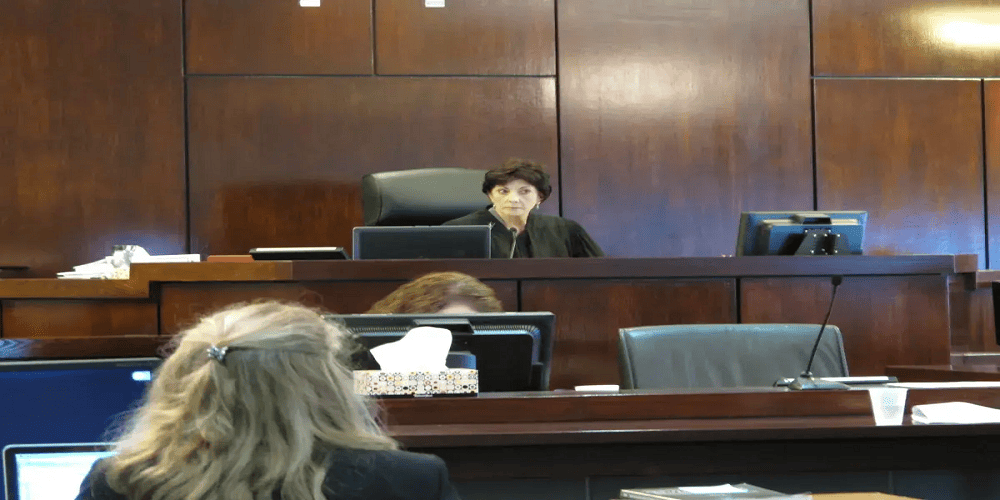
The story of Judge Diane Goodstein and the house fire associated with her has captured attention, stirring curiosity and concern. While judges are often in the spotlight for their rulings, decisions, and courtroom presence, rare incidents like personal tragedies or unexpected life events also become topics of public interest. The case of Judge Diane Goodstein’s house fire is one such incident that not only raised questions about her personal life but also reflected broader issues of safety, community response, and resilience in the face of loss.
In this comprehensive piece, we’ll explore who Judge Diane Goodstein is, her judicial career, the incident of the house fire, its aftermath, community reactions, and the lessons people can learn about fire safety from such an event. Additionally, we will dive into frequently asked questions to provide clarity for those seeking information on this matter.
Who is Judge Diane Goodstein?
To understand the significance of this story, it is essential first to understand who Judge Diane Goodstein is. Diane Schafer Goodstein is a well-respected Circuit Court Judge in South Carolina, known for her decades-long service in the legal system. She has presided over numerous cases, many of which have had a significant impact on both state and national levels.
Born and raised in New Jersey, Goodstein pursued higher education in the South, earning her undergraduate degree from a respected institution before moving on to law school. She quickly made her mark in the legal world, gaining recognition for her dedication, fairness, and strong command of the law.
Judge Goodstein has been on the bench for many years, handling both civil and criminal cases. Her judicial career is marked by notable moments, including presiding over the high-profile case involving the Episcopal Church in South Carolina, which drew attention not only locally but nationally. Her ability to maintain composure, neutrality, and adherence to the law has made her a respected figure in legal circles.
The Incident: House Fire Involving Judge Diane Goodstein
While her professional life is widely documented, the incident of the house fire connected to Judge Diane Goodstein is what drew significant public attention. Like many such personal events involving prominent figures, the story spread quickly, leaving people with questions about what exactly happened.
What Happened?
Reports indicated that a fire broke out at or near the residence associated with Judge Goodstein. The blaze, which occurred unexpectedly, caused concern both because of the judge’s stature in the community and the implications for her safety and well-being.
House fires can happen for various reasons—faulty wiring, kitchen accidents, heating equipment malfunctions, or even natural causes like lightning strikes. While the specific details of this fire may vary depending on the accounts, what stood out most was the immediate response from firefighters, neighbors, and the community.
Immediate Response
When the fire was reported, local emergency services acted swiftly. Firefighters arrived on the scene to control the blaze and prevent further spread. Neighbors and community members also showed concern, checking in and ensuring that safety protocols were followed.
The incident highlights how quickly life can change, even for individuals who are otherwise recognized for their professional accomplishments.
The Aftermath of the Fire
After any house fire, the aftermath often includes both physical and emotional recovery. For Judge Diane Goodstein, the incident became not just a matter of property damage but also a test of resilience.
Emotional and Psychological Impact
Experiencing a house fire can be deeply traumatic. The sense of loss—whether it be property, personal belongings, or even a sense of security—leaves a lasting impression. For public figures like Judge Goodstein, there is also the added element of public scrutiny, as such incidents are rarely private matters.
Property Loss and Recovery
While insurance often plays a crucial role in rebuilding, the sentimental value of certain possessions—family heirlooms, photographs, personal gifts—can never truly be replaced. Like many fire victims, Judge Goodstein likely faced the challenge of balancing practical recovery with the emotional toll.
Community Support
One of the most inspiring aspects of tragedies like house fires is the way communities rally together. Reports suggested that neighbors, colleagues, and local residents extended their support in various forms—whether by offering shelter, providing meals, or simply showing up with words of encouragement.
This sense of community solidarity is a powerful reminder of how interconnected people are, regardless of status or profession.
Lessons Learned from the Incident
While the house fire involving Judge Diane Goodstein was a personal tragedy, it also serves as a broader lesson for the community and beyond. Fires can happen to anyone, and preparedness is key to reducing damage and saving lives.
Importance of Fire Safety
- Smoke Detectors: Every home should be equipped with smoke alarms on every level. Regular testing and battery replacement are essential.
- Fire Extinguishers: Having a functional fire extinguisher in kitchens, garages, and near fireplaces can make a critical difference.
- Escape Plans: Families should rehearse fire escape routes and have a designated meeting point outside the home.
- Electrical Inspections: Faulty wiring is a common cause of house fires. Regular electrical inspections help identify potential hazards.
- Safe Use of Appliances: Unattended cooking, space heaters, and overloaded outlets are among the leading causes of residential fires.
Resilience in Recovery
Another lesson is resilience. Judge Goodstein’s response to the fire—continuing her judicial duties while managing personal recovery—showed the importance of perseverance in the face of adversity. Her experience is a reminder that setbacks, no matter how devastating, can be overcome with strength, community support, and determination.
Broader Significance of the Story
The story of Judge Diane Goodstein’s house fire resonates beyond the specifics of the incident. It touches on themes of humanity, vulnerability, and the shared challenges people face, regardless of their professional status.
Judges, often viewed solely through the lens of their rulings, are human beings who encounter life’s unpredictabilities just like anyone else. Stories like these humanize public figures, reminding society that beneath the robe is a person who experiences joy, sorrow, loss, and resilience.
Fire Safety Awareness in Public Discourse
The fire involving Judge Goodstein also serves as a point of reflection for communities. Public tragedies often bring attention to overlooked safety measures. After high-profile incidents, fire departments and safety organizations often see a rise in public interest regarding prevention measures.
By learning from such stories, society can become more proactive in protecting homes and families from similar fates.
FAQs
1. Who is Judge Diane Goodstein?
Judge Diane Goodstein is a South Carolina Circuit Court Judge, known for her extensive legal career and presiding over high-profile cases, including disputes involving the Episcopal Church.
2. What happened in the Diane Goodstein house fire?
A fire occurred at or near Judge Goodstein’s residence, drawing attention due to her status as a public figure. Emergency responders quickly managed the incident, ensuring safety.
3. Was anyone injured in the fire?
Reports did not suggest significant injury to Judge Goodstein or others present, though property damage was a key outcome.
4. What caused the fire?
The exact cause of the fire was not definitively disclosed in public reports. Common causes of house fires include electrical issues, kitchen accidents, or heating malfunctions.
5. How did the community respond?
Neighbors, colleagues, and local residents expressed support, demonstrating solidarity and providing assistance in various ways.
6. How did Judge Goodstein cope with the aftermath?
Like many fire survivors, Judge Goodstein had to balance personal recovery with her professional responsibilities. Her ability to continue her work highlighted her resilience.
7. What lessons can be learned from this fire?
The importance of fire safety measures, community preparedness, and resilience in recovery are key takeaways from this incident.
8. Why did this story attract attention?
As a respected judge, Goodstein is a prominent public figure. Any incident involving her personal life naturally drew public and media interest.
9. Is there a broader message from this event?
Yes. The event underscores the reality that personal tragedies can affect anyone, regardless of status, and highlights the universal importance of safety and community support.
10. How can people protect themselves from house fires?
By installing smoke detectors, having fire extinguishers, conducting electrical checks, and practicing fire escape plans, individuals can greatly reduce risks.
Conclusion
The house fire involving Judge Diane Goodstein is more than just a story about a judge and her personal tragedy—it is a narrative about resilience, community, and the importance of safety awareness. While the fire undoubtedly marked a difficult chapter in her life, it also became an opportunity for reflection and growth, not only for her but for those who followed the story.
For the public, it serves as a reminder that unexpected events can affect anyone, regardless of their role in society. By prioritizing safety, supporting one another in times of need, and demonstrating resilience in the face of adversity, communities can navigate tragedies and emerge stronger.
In the end, Judge Goodstein’s experience reminds us of both the fragility and the strength of human life—how quickly circumstances can change, and how powerfully people can rebuild when they come together.
Leave A Comment
0 Comment