
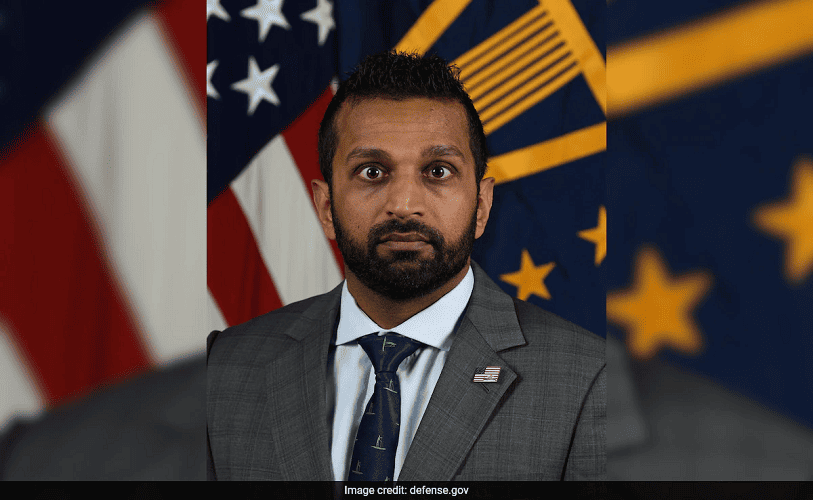
Kash Patel is one of the most recognizable names in recent American political and national security circles. Known for his strong positions, investigative background, and close association with key political leaders, he has played influential roles in intelligence oversight, terrorism prosecution, defense strategy, and public advocacy. Over the past decade, Patel has transitioned from a government attorney to a senior national security official, author, political commentator, and public figure with a substantial following. His rise reflects the evolving landscape of national security politics, media battles, and partisan investigations in the United States.
This comprehensive gluster explores Patel’s early life, career trajectory, major roles in government, controversies, public perception, contributions, and ongoing influence. It also examines how his work intersected with some of the most disputed political events of the late 2010s and early 2020s, including congressional investigations, intelligence debates, and national defense strategies.
Early Life and Educational Background
Kash Patel was born in the United States to Indian immigrant parents who had originally lived in East Africa before settling in America. His upbringing in a multicultural environment played an important role in shaping his worldview and work ethic. Patel has often spoken about his upbringing, describing his family as hardworking and committed to education and community values.
He completed his undergraduate studies at the University of Richmond, where he studied history and completed pre-med requirements before shifting his interest to law and public service. Patel later earned a law degree from Pace University School of Law. His focus on criminal justice and constitutional matters was evident from the beginning of his legal training.
Early Legal Career and Rise as a Federal Prosecutor
Before entering national politics and intelligence oversight, Patel built his reputation as a public defender and later as a federal prosecutor. His early legal work included representing indigent clients, handling serious criminal cases, and gaining courtroom experience that would become invaluable later in his career.
Patel transitioned into national security when he joined the U.S. Department of Justice as a terrorism prosecutor. In this role, he worked on high-profile cases involving international terrorism, drug trafficking, and homeland security violations. His experience at the DOJ helped him understand the complexities of intelligence, classified evidence, and counterterrorism operations.
This period marked the foundation of Patel’s expertise. He developed strong relationships within intelligence agencies and law enforcement networks, enabling him to move into more strategic roles later in his career.
Role in U.S. Congress and the House Permanent Select Committee on Intelligence
Kash Patel gained national attention during his tenure as an investigator and senior counsel for the House Permanent Select Committee on Intelligence (HPSCI). In this position, he played a central role in reviewing intelligence activities and probing controversies surrounding surveillance, foreign interference, and political investigations.
Patel became widely known for his involvement in the committee’s review of FBI procedures related to the 2016 election. His work led to sharp political disagreements, with supporters viewing him as a whistleblower exposing intelligence missteps, while critics accused him of being overly partisan. Regardless of interpretation, Patel had firmly established himself as a key figure in the political debate over intelligence transparency and accountability.
His efforts contributed to several public reports that questioned the accuracy and handling of intelligence assessments, leading to significant national discussions about the role of agencies like the FBI and CIA.
Transition to the Executive Branch and National Security Roles
Following his work in Congress, Patel joined the executive branch, where he held several influential positions in the national security apparatus. One of his most notable roles was serving as chief of staff to the Acting Secretary of Defense. In this capacity, Patel was involved in decisions related to military readiness, counterterrorism, foreign policy, and national defense priorities.
He also served as a senior adviser at the National Security Council, where he worked on various global security issues. His roles placed him at the center of important policy discussions, including military operations, intelligence coordination, and diplomatic strategy.
Public Profile and Media Influence
By the early 2020s, Patel had become a widely recognized public figure. His media presence grew significantly due to his commentary on intelligence, national security, and political controversies. Patel frequently appeared on television networks, podcasts, and public forums to discuss his views.
He also authored books, including children’s books themed around patriotism and integrity in public service. Through writing, public speaking, and advocacy, Patel expanded his influence beyond government circles.
His public messaging focuses on themes such as transparency in government, accountability in intelligence agencies, and the importance of strong national defense. These positions have earned him a substantial follower base across multiple platforms.
Controversies and Political Criticism
As with many high-profile political figures, Patel’s career has not been without controversy. His involvement in politically sensitive investigations led to strong reactions from various groups.
Critics often questioned his findings, motivations, and alliances, arguing that his work fueled political polarization. On the other hand, supporters viewed Patel as a principled investigator pushing back against institutional bias.
Some controversies involved disagreements over intelligence interpretations, disputes about surveillance processes, and accusations of political interference. These debates placed Patel at the center of national discussions about the balance between security, civil liberties, and political accountability.
Regardless of perspective, Patel’s name became closely tied to a transformative period in American political and intelligence history.
Work Beyond Government: Author, Commentator, and Advocate
After leaving government service, Patel’s professional focus shifted toward writing, media, and advocacy. He has authored books that blend national security concepts with themes suitable for younger audiences, aiming to inspire children to value public service.
Patel also continues to speak about his experiences dealing with classified intelligence, complex investigations, and national defense operations. His unique background allows him to offer detailed insights into how major decisions are made at the highest levels of government.
Ongoing Influence in National Security and Public Debate
Patel remains active in public life, particularly in national security discussions. His background as a federal prosecutor, congressional investigator, and defense official gives him authority on issues such as:
- counterterrorism
- intelligence oversight
- foreign policy
- military operations
- government transparency
His commentary continues to shape public understanding of these topics. Whether one agrees with Patel or not, his influence is undeniable in the ongoing debates surrounding intelligence and political accountability.
Impact on Political Discourse and National Institutions
Kash Patel symbolizes a broader shift in how intelligence oversight and national security discussions take place in public. In earlier decades, such matters occurred mostly behind closed doors. Today, public scrutiny is much higher, and Patel has been a major figure in bringing intelligence issues into mainstream conversation.
His work has prompted discussions about:
- the limits of surveillance
- the responsibilities of intelligence agencies
- the relationship between national security and political power
- the accuracy of investigative processes
Patel’s influence illustrates how individuals within government can shape national narratives and challenge established institutions.
The Legacy of Kash Patel
Kash Patel’s legacy is still evolving. He remains an influential figure whose contributions have impacted U.S. national security debates, congressional investigations, and public understanding of intelligence work.
His supporters view him as a determined investigator who exposed flaws in intelligence practices. Critics see him as a polarizing figure whose work contributed to political divisions. Regardless of viewpoint, Patel’s career demonstrates the powerful role of national security professionals in shaping policy and public opinion.
As he continues to write, speak, and advise on national issues, his influence is likely to remain strong. His story offers insights into the intersection of law, intelligence, politics, and media in the modern era.
FAQs
Q1. Who is Kash Patel?
Kash Patel is an American attorney, former federal prosecutor, congressional investigator, national security official, author, and public commentator known for his work on intelligence and national defense issues.
Q2. What is Kash Patel known for in government?
He is known for his investigative work on the House Intelligence Committee, his roles in the Department of Defense and National Security Council, and his influence on national security policies.
Q3. What controversies is Kash Patel associated with?
Patel has been involved in political disputes related to intelligence reports, surveillance procedures, and congressional investigations. These controversies reflect broader political tensions rather than personal misconduct.
Q4. Has Kash Patel written books?
Yes, Patel has authored books, including children’s books focused on patriotism, public service, and national values.
Q5. What is Kash Patel’s background before entering politics?
He served as a public defender, federal prosecutor, and terrorism attorney at the U.S. Department of Justice before transitioning into intelligence and national security roles.
Leave A Comment
0 Comment