
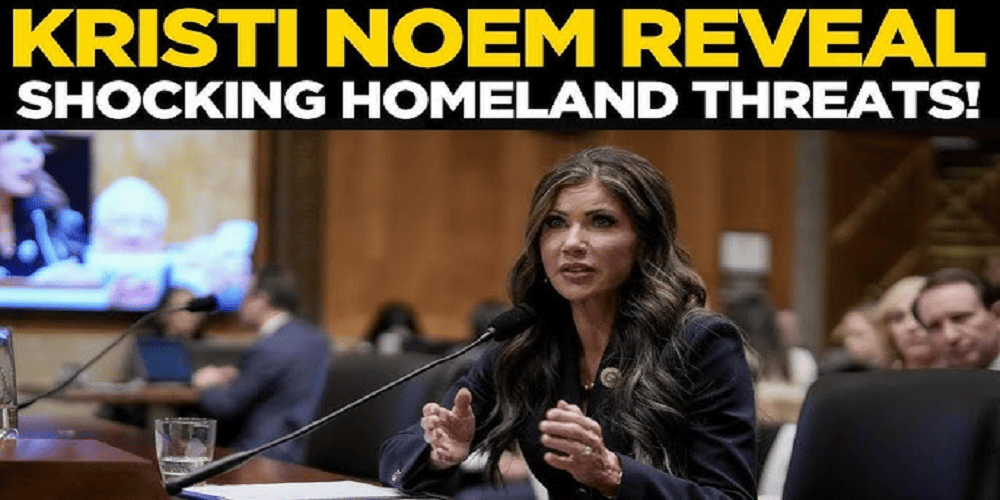
Kristi Noem has emerged as a prominent figure in American politics, known for her leadership, conservative positions, and national profile. Born and raised in South Dakota, Kristi Noem’s journey from a rancher’s daughter to the Governor of a U.S. state illustrates her commitment to public service, her political philosophy, and her role in shaping contemporary Republican discourse. As a U.S. governor, Kristi Noem gained widespread attention for her policies, leadership style, and national ambitions. This article examines her early life, political rise, governance approach, key controversies, policy priorities, and her broader impact on American politics.
Kristi Noem was born on November 30, 1971, in Watertown, South Dakota. Her upbringing on a ranch instilled in her a strong work ethic and deep familiarity with rural issues, agriculture, and family enterprise. Early influences included her parents’ dedication to their ranch and community engagement, which contributed to her interest in leadership and public life. Academic pursuits took her to Northern State University, where Kristi Noem studied political science, setting the stage for her future in governance. After college, she returned to the family ranch, where she balanced agricultural responsibilities with community involvement and eventually entered public service.
The political career of Kristi Noem began in the South Dakota House of Representatives. In this state legislature role, she advocated for issues important to her constituents, including tax reform, support for agricultural communities, and fiscal responsibility. Her service in the South Dakota Legislature laid the groundwork for broader ambitions, demonstrating her legislative skills and establishing her as a rising star in Republican circles. Colleagues and opponents alike noted her focus on conservative principles, clear communication, and readiness to take on challenging policy debates.
In 2010, Kristi Noem made a significant leap by running for the U.S. House of Representatives. Her campaign focused on limited government, support for small businesses, Second Amendment rights, and reducing federal overreach. Voters in South Dakota responded to her message, electing her to represent the state at the national level. As a member of Congress, Kristi Noem continued to emphasize conservative priorities, engaging in high-profile debates on budgetary issues, defense spending, and national security. Her voting record and public statements reflected a consistent alignment with Republican values, including opposition to expansive government programs and support for free market principles.
During her tenure in the U.S. House, Kristi Noem served on key committees and worked across the aisle when opportunities arose to achieve results for her district. Her national visibility grew, shaped by her willingness to participate in televised debates and national policy discussions. She became known for her straightforward communication style and for championing issues related to agriculture, veterans, and rural development. Her time in Congress positioned her for future leadership roles and solidified her reputation as a conservative voice with national recognition.
In 2018, Kristi Noem ran for Governor of South Dakota, a position that would elevate her influence in state and national politics. Her gubernatorial campaign highlighted economic growth, education reform, and limited regulation as pillars of her policy agenda. Voters elected Kristi Noem governor, placing her at the forefront of managing South Dakota’s government and public policy. Her tenure as governor brought increased attention to her leadership style, particularly in times of crisis and national debate.
One of the most notable periods of Kristi Noem’s governorship was her handling of the COVID-19 pandemic. She received national attention for her approach, which emphasized personal responsibility over state mandates. Kristi Noem resisted mask mandates and lockdowns, arguing that individuals and businesses should make their own choices. Supporters praised her defense of personal freedom, while critics contended that her policies risked public health. The debate over her pandemic response became a central part of her national profile and sparked widespread discussion about the balance between government authority and individual liberty.
Beyond pandemic policy, Kristi Noem’s governance has included prioritizing economic development, workforce initiatives, and education. She has advocated for lower taxes, less regulation, and incentives to attract businesses to South Dakota. Under her leadership, the state pursued policies aimed at expanding economic opportunities and strengthening rural communities. Kristi Noem’s emphasis on school choice and local control of education reflected her broader philosophy that decisions should be made at the most local level possible, allowing families and communities more autonomy.
Agriculture remains a core concern for Kristi Noem, given South Dakota’s economic reliance on farming and ranching. As governor, she has worked to support farmers through policy measures, trade advocacy, and efforts to expand market opportunities. Her background as a rancher has added credibility to her advocacy for agricultural interests and shaped her understanding of rural challenges. Kristi Noem’s initiatives in this arena aim to ensure that South Dakota’s agricultural sector remains robust and competitive in a rapidly changing global economy.
Conservation and land use have also been areas of interest for Kristi Noem. Balancing economic development with preservation of natural resources, she has supported policies that encourage responsible land stewardship. Her administration has engaged in efforts to maintain South Dakota’s natural beauty, promote outdoor recreation, and support wildlife management. Kristi Noem’s approach reflects an understanding that environmental sustainability and economic growth can coexist when guided by thoughtful policy.
Healthcare policy under Kristi Noem’s leadership has emphasized accessibility, affordability, and patient choice. She has opposed large-scale government interventions in healthcare, instead favoring market-based solutions and increased flexibility for states to innovate. Kristi Noem has supported programs aimed at expanding rural healthcare access and addressing shortages in medical professionals. Her stance aligns with broader conservative skepticism of federal healthcare mandates while advocating for pragmatic solutions tailored to state needs.
In the realm of social policy, Kristi Noem has taken positions consistent with conservative values. She has supported pro-life measures, religious freedom protections, and policies that emphasize traditional family structures. Her stances on these issues have drawn support from social conservatives and faith-based communities. At the same time, critics have challenged some of her positions as overly restrictive or insensitive to diversity of belief. The debates surrounding these topics reflect larger national conversations about morality, individual rights, and the role of government in private life.
Safety and law enforcement have been priorities for Kristi Noem’s administration. She has championed support for police, efforts to reduce crime, and policies aimed at protecting communities. Kristi Noem’s approach includes backing law enforcement initiatives, advocating for strong legal consequences for criminal behavior, and promoting public safety programs. Her emphasis on safety resonates with voters concerned about security and community wellbeing, reinforcing her image as a leader focused on practical governance.
Kristi Noem’s leadership style is often described as bold and unapologetic. She speaks directly to her supporters, articulating her principles with clarity and conviction. Her communication strategy includes frequent use of social media, public speeches, and engagement with national conservative media. Kristi Noem’s ability to connect with grassroots supporters has helped her build a loyal base and maintain influence beyond South Dakota. Her national profile has grown as a result of her distinctive voice within the Republican Party.
With her rising prominence, Kristi Noem has increasingly been mentioned as a potential candidate for higher office. Speculation about presidential ambitions has surrounded her for several years, fueled by her national visibility and appeal among conservative voters. Whether or not she pursues a national campaign, Kristi Noem’s influence on Republican politics is evident in discussions about policy priorities, party direction, and the values that resonate with the party’s base. Her perspective on leadership and governance continues to shape debates within conservative circles.
Critics of Kristi Noem have raised concerns about some aspects of her record. Questions about transparency, accountability, and policy outcomes have surfaced in public discourse. Opponents argue that certain decisions may prioritize ideology over practical outcomes, particularly in areas like pandemic response and education policy. These critiques are part of the broader democratic process, reflecting the contested nature of political leadership and policy evaluation. Supporters counter that Kristi Noem’s leadership has strengthened South Dakota’s economy, defended individual freedoms, and upheld core American values.
One of the enduring features of Kristi Noem’s political presence is her ability to mobilize grassroots energy. She connects with supporters through storytelling that reflects her personal background, her vision for governance, and her commitment to conservative ideals. This connection has given her a platform that extends beyond state politics into national conversations about the future of the Republican Party. Her speeches and public appearances often emphasize themes of freedom, resilience, and opportunity—values that resonate with many voters across the country.
As debates continue about federalism, individual rights, and the role of government, Kristi Noem’s leadership provides a case study in conservative governance. Her record offers insights into how political philosophy translates into policy decisions and how those decisions impact communities. The discussion around her decisions—both praise and criticism—illustrates the dynamic nature of American democracy and the diversity of perspectives within it. Kristi Noem’s influence will likely remain part of national dialogue for years to come, regardless of the direction her career ultimately takes.
In considering Kristi Noem’s legacy, observers will weigh her achievements against the broader impacts of her policies. Supporters point to economic indicators, state independence, and cultural leadership as evidence of her positive influence. Critics focus on areas where they believe alternative approaches might have produced different results. These competing evaluations underscore the complexities inherent in political leadership and public service. Kristi Noem’s journey from ranch life to state leadership demonstrates the possibilities and challenges of elected office in America.
Through her career, Kristi Noem has exemplified a model of conservative leadership that continues to shape political discourse. Her emphasis on personal freedom, economic growth, and rural empowerment resonates with many constituents and political observers. At the same time, the controversies and debates surrounding her decisions reflect the contested terrain of modern governance. As the nation evolves, the role of leaders like Kristi Noem in shaping policy, public opinion, and party identity remains a subject of significant interest.
In conclusion, Kristi Noem’s life and career provide a multifaceted portrait of a contemporary American political leader. From her early years on a ranch in South Dakota to her current position as governor and national figure, she has consistently pursued a vision grounded in conservative principles. Her approach to governance, communication, and policy has generated both admiration and debate. Whether in the context of state policy or national politics, Kristi Noem’s influence underscores the importance of leadership rooted in conviction, engagement, and public service.
Frequently Asked Questions About Kristi Noem
What is Kristi Noem best known for?
Kristi Noem is best known for serving as the Governor of South Dakota and for her national profile as a conservative Republican leader. Her leadership during the COVID-19 pandemic and her advocacy for limited government significantly raised her visibility.
Where did Kristi Noem grow up?
Kristi Noem grew up in Watertown and on her family’s ranch in South Dakota. Her upbringing in a rural environment shaped her understanding of agricultural and rural community issues.
Has Kristi Noem held national office?
Yes, Kristi Noem served as a member of the U.S. House of Representatives before becoming Governor of South Dakota.
What political party is Kristi Noem affiliated with?
Kristi Noem is a member of the Republican Party and is aligned with conservative political positions.
What was Kristi Noem’s approach to the COVID-19 pandemic?
Kristi Noem’s approach to the pandemic emphasized personal responsibility and opposed state-wide mandates such as lockdowns and mask requirements, prioritizing individual choice.
Leave A Comment
0 Comment