
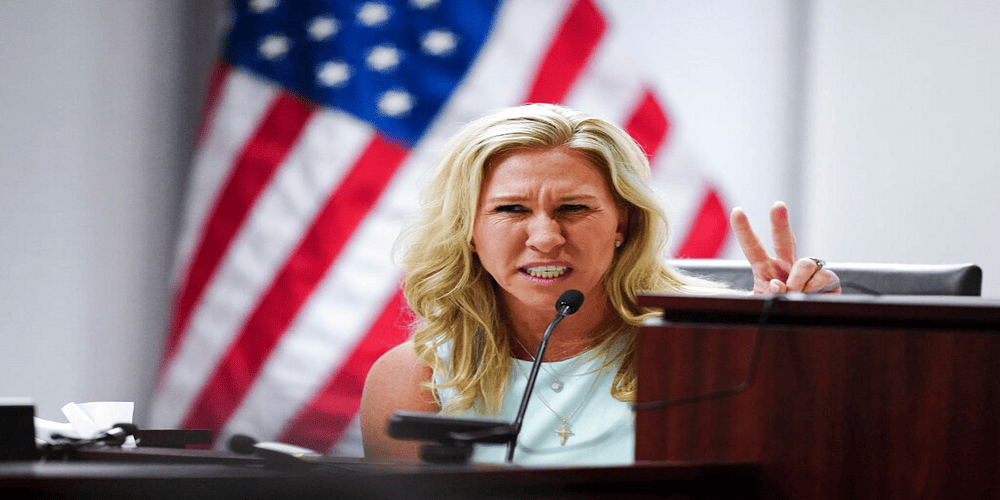
Marjorie Taylor Greene is one of the most controversial and widely discussed figures in contemporary American politics. Known for her unapologetic style, polarizing statements, and firm allegiance to conservative causes, Greene has captured national attention since her entry into Congress. While some of her supporters view her as a fearless defender of traditional values and constitutional freedoms, her critics see her as a source of division, misinformation, and extremism. This article provides a comprehensive exploration of Marjorie Taylor Greene’s life, political career, influence, controversies, and the larger impact she has had on U.S. politics.
Early Life and Background
Marjorie Taylor Greene was born on May 27, 1974, in Milledgeville, Georgia. Raised in a conservative household, she grew up with strong beliefs in traditional family values and Christianity, which would later shape her political identity. Greene attended the University of Georgia, where she earned a bachelor’s degree in business administration.
Before entering politics, she was actively involved in her family’s construction company, Taylor Commercial, a business that provided her with experience in the private sector. Greene also pursued fitness and was known for her enthusiasm in the CrossFit community. She co-owned a gym and gained recognition in fitness circles before redirecting her career toward politics.
Entry Into Politics
Marjorie Taylor Greene’s political journey gained traction in the late 2010s when she became a vocal supporter of then-President Donald Trump. She adopted his “America First” ideology and was outspoken about issues like immigration, gun rights, and opposition to what she perceived as government overreach.
In 2020, Greene announced her candidacy for Georgia’s 14th Congressional District. Running on a platform that strongly aligned with Trump’s policies, she appealed to many conservative voters in her district. Despite facing criticism from within her own party due to her past comments and alignment with controversial movements, she secured victory and officially took office in January 2021.
Political Positions
Marjorie Taylor Greene has consistently positioned herself as a staunch conservative. Some of her key positions include:
- Second Amendment Advocacy: Greene is an outspoken defender of gun rights. She frequently argues that firearms ownership is essential for protecting citizens against government tyranny.
- Opposition to Abortion: She firmly opposes abortion and presents herself as pro-life. Greene has supported legislation aimed at restricting abortion access.
- Immigration Policies: Greene promotes strict immigration enforcement, including building a border wall and opposing what she calls “open-border policies.”
- Criticism of Government Spending: She frequently critiques federal spending and advocates for reducing what she considers wasteful expenditures.
- Religious Freedom and Traditional Values: Greene often speaks about preserving Christian values in public life.
- COVID-19 Response Opposition: She criticized pandemic-related restrictions, arguing they infringed on personal freedoms and small businesses.
Association with Conspiracy Theories
One of the most controversial aspects of Greene’s political career is her association with conspiracy theories. Before entering Congress, she expressed support for the QAnon movement, which claimed that a secret network of elites controlled global affairs. Although she has since distanced herself from QAnon, her earlier comments continue to fuel criticism.
She has also faced backlash for endorsing false claims about mass shootings, elections, and government activities. Many opponents argue that these views undermine trust in institutions and fuel division in American society.
Congressional Career
Since joining Congress in 2021, Marjorie Taylor Greene has been both a vocal advocate for her causes and a lightning rod for controversy.
- Committee Removal: Shortly after taking office, the House of Representatives voted to strip Greene of her committee assignments due to her past statements promoting violence and conspiracy theories. This move was unprecedented for a freshman representative and highlighted the extent of her polarizing image.
- Legislative Efforts: Greene has introduced bills targeting government spending, opposing aid to foreign countries, and challenging pandemic mandates. While many of her proposals do not gain traction, they demonstrate her commitment to her ideological stance.
- Media Presence: Greene has mastered the art of staying in the media spotlight. Her social media activity, press conferences, and interviews ensure that her views reach a wide audience.
Support Base
Despite criticism, Greene has cultivated a loyal following among certain groups of conservative voters. Her supporters view her as:
- A defender of Trump’s legacy.
- A politician unafraid to challenge Washington elites.
- A voice for rural and working-class communities.
- An advocate for individual rights and freedoms.
Her strong stance against what she describes as “radical leftist agendas” resonates with many in her district and across the country who feel disconnected from mainstream politics.
Criticism and Opposition
Marjorie Taylor Greene faces significant opposition both from Democrats and from some members of the Republican Party.
- Democrats criticize her for spreading misinformation, fueling extremism, and undermining democracy.
- Moderate Republicans argue that her presence hurts the party’s broader appeal, especially among independent voters.
- Media outlets often highlight her most controversial remarks, portraying her as a symbol of political radicalism.
Her outspoken nature ensures that she remains at the center of debates about the direction of the Republican Party and American politics at large.
Key Controversies
Greene’s career has been marked by a series of high-profile controversies:
- Statements About Mass Shootings: She questioned the authenticity of tragedies such as the Parkland and Sandy Hook shootings, which drew condemnation from survivors and families.
- Election Denialism: Greene has repeatedly claimed that the 2020 presidential election was stolen from Trump, echoing widespread conspiracy theories.
- Hostility Toward Political Opponents: She has been accused of harassing Democratic lawmakers, most notably Representative Alexandria Ocasio-Cortez.
- Comments on Religion and Race: Some of her remarks have been criticized as intolerant or discriminatory, sparking widespread debates about inclusivity and prejudice.
Influence on American Politics
Whether admired or criticized, Marjorie Taylor Greene has undoubtedly left an imprint on American politics. Her rise reflects several broader trends:
- Polarization: Greene exemplifies the deep political divide in the United States, where voters increasingly rally behind outspoken, uncompromising figures.
- Media Power: Her ability to dominate headlines shows how modern politicians can wield social media and controversy to maintain visibility.
- Populism: Greene represents a populist strain within the Republican Party that emphasizes nationalism, skepticism of elites, and cultural conservatism.
- Party Identity Crisis: Her prominence has forced Republicans to confront questions about the party’s future direction and whether it will continue to embrace Trump-style politics.
Future Prospects
The future of Marjorie Taylor Greene’s political career remains uncertain yet promising in terms of influence.
- Within Congress: Greene’s committee removal has limited her legislative influence, but her ability to raise funds and mobilize support ensures she remains relevant.
- Republican Leadership: Some speculate she could seek leadership roles in the GOP, especially if the party continues to embrace populist figures.
- National Ambitions: While speculative, her rising profile raises questions about whether she could one day seek higher office beyond Congress.
Her career trajectory will largely depend on the balance between her supporters’ loyalty and the backlash she continues to face from critics.
Public Perception
Public opinion about Marjorie Taylor Greene is deeply divided. For her base, she is a courageous fighter for American values. For others, she embodies extremism and threatens democratic norms. This divide makes her one of the most polarizing politicians in the U.S., with few people holding neutral opinions about her.
Legacy and Impact
Regardless of one’s political stance, Marjorie Taylor Greene’s rise is historically significant. She represents:
- The growing influence of outsider candidates in American politics.
- The impact of social media in shaping political careers.
- The shifting identity of the Republican Party in the post-Trump era.
- The increasing role of culture wars in U.S. policymaking.
Her legacy will likely be tied to how future historians interpret the era of polarization and populism in which she played a central role.
FAQs
Who is Marjorie Taylor Greene?
Marjorie Taylor Greene is a Republican member of the U.S. House of Representatives from Georgia’s 14th Congressional District. She is known for her outspoken conservative views and controversial statements.
What political party does Marjorie Taylor Greene belong to?
She is a member of the Republican Party and closely aligns herself with Donald Trump’s “America First” ideology.
Why is Marjorie Taylor Greene controversial?
She has been associated with conspiracy theories, made inflammatory statements, and was stripped of her congressional committee assignments due to past remarks promoting violence.
What are Marjorie Taylor Greene’s main political positions?
She supports gun rights, opposes abortion, advocates for strict immigration enforcement, criticizes government spending, and promotes Christian values in politics.
Was Marjorie Taylor Greene linked to QAnon?
Yes, Greene expressed support for the QAnon conspiracy movement before entering Congress, though she has since distanced herself from it.
Has she been re-elected?
Yes, Greene was re-elected in 2022, demonstrating strong support from her district despite national controversies.
What committees has she served on?
Greene was originally assigned to the House Budget Committee and Education and Labor Committee but was removed by a House vote in 2021.
Does Marjorie Taylor Greene have higher political ambitions?
While she has not announced plans, speculation exists that she could pursue leadership roles within the GOP or even higher office if her popularity grows.
How do her supporters view her?
Her supporters see her as a fearless defender of freedoms, a critic of government overreach, and a voice for conservative, working-class Americans.
What is Marjorie Taylor Greene’s impact on U.S. politics?
She highlights the deep partisan divides in America, demonstrates the power of populism, and forces debates about the Republican Party’s future direction.
Conclusion
Marjorie Taylor Greene remains one of the most debated figures in American politics. Her blend of staunch conservatism, controversial remarks, and relentless media presence ensures she stays in the national spotlight. Whether seen as a hero or a threat, Greene embodies the current state of polarization in the United States and will likely continue shaping political discourse for years to come.
At just a few years into her congressional career, her influence already extends far beyond her district. Her future will serve as a litmus test for the direction of American conservatism and the evolving identity of the Republican Party.
Leave A Comment
0 Comment