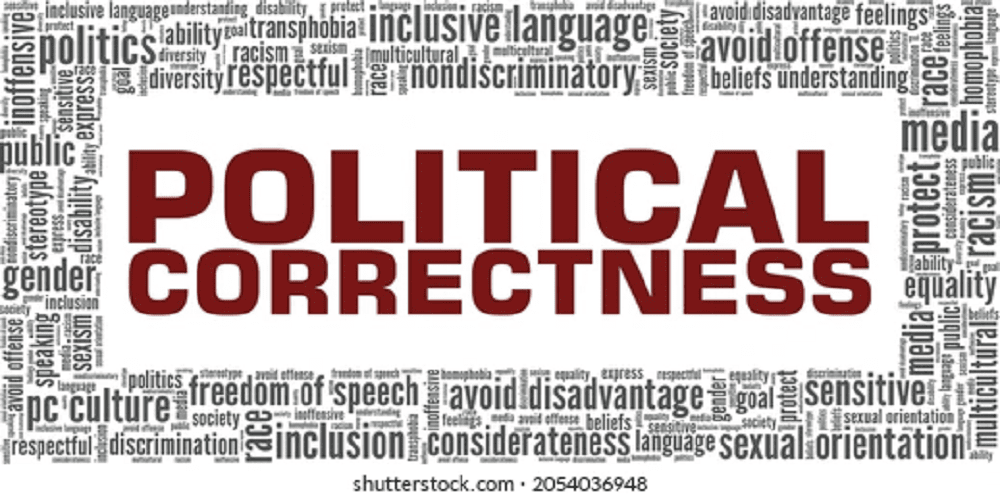
In today’s fast-changing world, several topics dominate conversations across politics, media, sports, finance, education, and healthcare. From debates about political correctness to the growing reach of Fox News entertainment, from the thrill of sports news today to the numbers behind today’s stock market, from the prestige of MIT in America to the influence of Kaiser Permanente insurance, each area plays a crucial role in shaping modern society. This article explores these six major themes in depth, providing context, analysis, and clarity for readers. Political correctness is one of the most debated concepts of modern times. It refers to the practice of using language and behavior intended to avoid offending or marginalizing groups of people, especially those historically disadvantaged. The term gained popularity in the late 20th century, especially in academic and cultural discussions. While its intent is to promote inclusivity and respect, critics argue that political correctness often suppresses free speech by discouraging open debate. Supporters believe political correctness helps create a society where people are treated fairly and respectfully. Using inclusive language reduces stereotypes, improves communication, and fosters empathy. For example, terms like “firefighter” instead of “fireman” recognize women in the profession. Opponents argue that it restricts expression and promotes a culture of fear, where individuals may avoid voicing opinions out of concern for backlash. They claim it sometimes prioritizes language over genuine social change. Universities adopting inclusive curricula. Media outlets choosing gender-neutral terms. Politicians facing scrutiny for insensitive remarks. Political correctness will likely remain a balancing act—protecting inclusivity without stifling free expression.1. Political Correctness
The Origin and Meaning
Supporters’ Viewpoint
Critics’ Concerns
Real-World Examples

Leave A Comment
0 Comment