
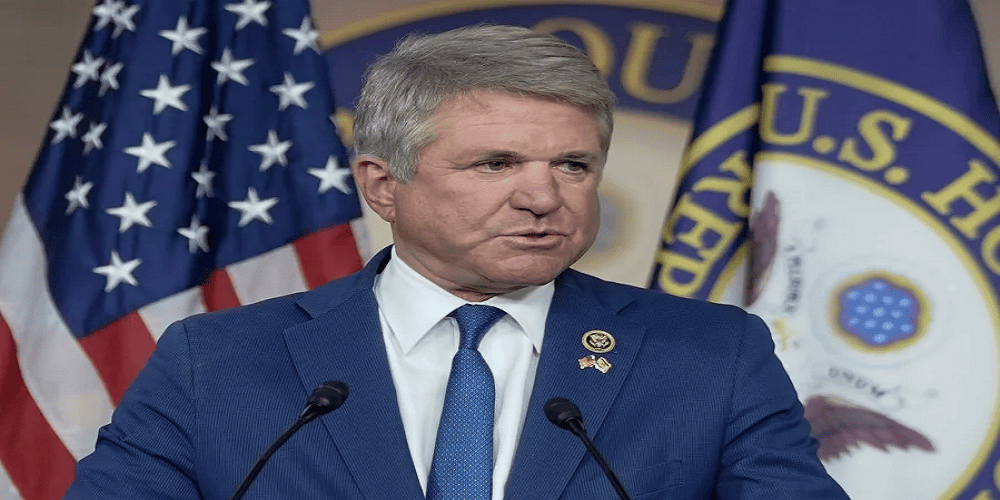
Rep. Michael McCaul is one of the most recognized Republican leaders in the United States House of Representatives. Known for his expertise in national security, foreign affairs, and cybersecurity, McCaul has built a reputation as a strong advocate for a robust defense strategy and diplomatic leadership. As the current Chair of the House Foreign Affairs Committee, he plays a key role in shaping U.S. foreign policy, responding to international crises, and overseeing America’s relationships with allies and adversaries alike.
This detailed guide explores McCaul’s early life, political career, policy positions, and influence on both domestic and global affairs. Whether you are a student of politics, a researcher, or just someone trying to understand the American political landscape, this deep dive into Rep. Michael McCaul’s career will give you a complete picture of his work and its impact.
Early Life and Education
Michael Thomas McCaul was born on January 14, 1962, in Dallas, Texas. He grew up in a middle-class family, which shaped his perspective on hard work, patriotism, and community service. McCaul pursued his undergraduate education at Trinity University in San Antonio, Texas, where he earned a Bachelor of Arts in History.
After college, McCaul went on to earn his Juris Doctor (JD) from St. Mary’s University School of Law. He also completed advanced studies at Harvard University’s John F. Kennedy School of Government, which further strengthened his knowledge of government operations and policy-making.
His academic background, combined with a passion for public service, set him on a path toward law, national security, and ultimately, politics.
Early Career Before Congress
Before entering the U.S. House of Representatives, Michael McCaul worked in several high-level government roles. He served as a federal prosecutor and held positions at the U.S. Department of Justice, where he worked on counterterrorism and national security issues.
He was also the Chief of Counterterrorism and National Security in the U.S. Attorney’s Office for the Western District of Texas. This experience provided him with firsthand knowledge of how federal agencies combat threats both domestically and internationally.
McCaul later worked as a deputy attorney general in Texas and collaborated with federal law enforcement agencies on homeland security matters. These early roles gave him credibility when he eventually ran for Congress, as he had practical experience in counterterrorism and law enforcement.
Entry into Politics
Michael McCaul was first elected to the U.S. House of Representatives in 2004, representing Texas’s 10th Congressional District. His district stretches from Austin to Houston, covering a mix of urban and rural communities. McCaul ran as a Republican, emphasizing his commitment to national security, limited government, and conservative values.
He quickly established himself as a lawmaker focused on protecting the nation from terrorism, strengthening cybersecurity, and advocating for strong border security measures. Over the years, McCaul has consistently won reelection, becoming one of the most influential Republican voices in Congress.
Committee Assignments and Leadership Roles
Michael McCaul has served on several important committees during his time in Congress. Most notably, he was the Chairman of the House Homeland Security Committee from 2013 to 2019. During his tenure, he oversaw legislation related to counterterrorism, border security, cybersecurity, and emergency preparedness.
In 2023, McCaul became the Chairman of the House Foreign Affairs Committee, where he plays a leading role in directing U.S. foreign policy. His committee is responsible for reviewing and approving foreign aid, analyzing global conflicts, and monitoring diplomatic relations.
His leadership positions reflect his deep knowledge of national security issues and his ability to work across the aisle when necessary to address pressing security concerns.
Policy Positions and Legislative Work
Rep. Michael McCaul is known for his focus on several key policy areas:
1. National Security and Counterterrorism
McCaul has been one of the strongest voices in Congress on matters of counterterrorism. He has pushed for stronger intelligence-sharing among federal agencies and advocated for better funding for homeland security programs.
He frequently warns about the evolving threats from terrorist groups, cyberattacks, and hostile foreign powers. His legislative work often aims to ensure that America stays ahead of adversaries and that security agencies are adequately equipped to protect citizens.
2. Foreign Affairs and Diplomacy
As Chair of the House Foreign Affairs Committee, McCaul has been deeply involved in U.S. responses to conflicts around the world. He has advocated for continued support for Ukraine in its war with Russia, supported efforts to hold China accountable for human rights violations, and pushed for a strong stance against Iran’s nuclear ambitions.
He believes in maintaining strong alliances, particularly with NATO partners, and has supported measures to strengthen America’s global leadership role.
3. Border Security and Immigration
Representing a Texas district, McCaul has been outspoken about the need for stronger border security. He has supported funding for physical barriers, enhanced technology at the border, and more resources for border patrol agents.
However, he has also called for a balanced approach to immigration reform, suggesting that legal immigration pathways should be improved alongside stronger enforcement of immigration laws.
4. Cybersecurity
McCaul is one of Congress’s most vocal advocates for cybersecurity preparedness. He has warned about the dangers of ransomware attacks, cyber espionage, and vulnerabilities in critical infrastructure.
He has introduced and supported legislation designed to improve public-private partnerships in cybersecurity and ensure that federal agencies are ready to respond to digital threats.
5. Economic and Energy Policy
While national security is his primary focus, McCaul has also supported policies to boost economic growth and American energy independence. He has favored deregulation to encourage business development and has backed measures to expand domestic energy production.
Key Achievements
Throughout his career, Michael McCaul has played a key role in passing significant pieces of legislation, including:
- The Cybersecurity Act of 2015, which improved information-sharing between government agencies and private companies.
- Legislation to strengthen airport security and protect critical infrastructure from cyber threats.
- Measures to support victims of human trafficking and enhance global human rights efforts.
McCaul has also been a consistent voice in Congress calling for investigations into foreign threats, including the origins of COVID-19 and the role of the Chinese government in global security challenges.
Criticisms and Controversies
Like many high-profile politicians, McCaul has faced criticism over the years. Some critics argue that his approach to national security leans too heavily on military solutions rather than diplomacy. Others have criticized his stance on immigration, saying it does not go far enough toward creating a pathway to citizenship for undocumented immigrants.
Progressive lawmakers have also challenged his support for large defense budgets, arguing that such spending could be redirected toward domestic priorities. McCaul, however, maintains that a strong national defense is essential to preserving freedom and preventing conflict.
McCaul’s Role in Modern Politics
Rep. Michael McCaul continues to be an influential figure in Congress. His voice is often sought after during discussions of foreign policy, cybersecurity, and homeland security threats. As global tensions rise with countries like China, Russia, and Iran, McCaul’s expertise will remain critical in guiding U.S. strategy.
He is considered a pragmatic conservative — someone who aligns with Republican values but is willing to engage in bipartisan cooperation when it serves the national interest. This makes him an important player in shaping legislation that affects both domestic and international issues.
Public Image and Media Presence
Michael McCaul is frequently featured in news outlets discussing international crises, cyber threats, and national security strategy. He appears on major news networks like CNN, Fox News, and MSNBC to share his perspective on global affairs.
His ability to explain complex issues in a straightforward manner has helped him connect with both policymakers and the general public. McCaul’s communication style is calm, informed, and solutions-oriented, which enhances his credibility.
Future Prospects
Looking ahead, Rep. McCaul is expected to continue shaping U.S. foreign policy for years to come. Some political analysts have speculated that he could seek higher office, possibly a U.S. Senate seat or even a cabinet position under a future administration.
Regardless of future ambitions, McCaul’s focus remains on strengthening America’s global position and protecting citizens from security threats. His track record suggests he will remain a key figure in national security discussions.
Conclusion
Rep. Michael McCaul has built a long and impactful career in public service, with a focus on safeguarding the United States from threats both foreign and domestic. As Chairman of the House Foreign Affairs Committee, he wields significant influence over America’s role in the world and remains a key advocate for a strong, proactive approach to global challenges.
For voters in Texas and observers across the country, McCaul represents a blend of experience, expertise, and commitment to national security. His work continues to shape U.S. policy on issues ranging from counterterrorism to cyber defense, making him one of the most important lawmakers in Congress today.
FAQs
Q1: Who is Rep. Michael McCaul?
Rep. Michael McCaul is a Republican member of the U.S. House of Representatives from Texas’s 10th district and the current Chair of the House Foreign Affairs Committee.
Q2: What are Michael McCaul’s main political priorities?
His main priorities include national security, foreign policy, cybersecurity, border security, and strengthening U.S. global leadership.
Q3: How long has Michael McCaul been in Congress?
He was first elected in 2004 and has served continuously since then, making him one of the senior Republican lawmakers in the House.
Q4: What committees has McCaul served on?
He previously chaired the House Homeland Security Committee and currently chairs the House Foreign Affairs Committee.
Q5: What is McCaul’s stance on cybersecurity?
He strongly advocates for improving America’s cybersecurity defenses, increasing public-private collaboration, and ensuring government agencies are prepared to respond to cyber threats.
Leave A Comment
0 Comment